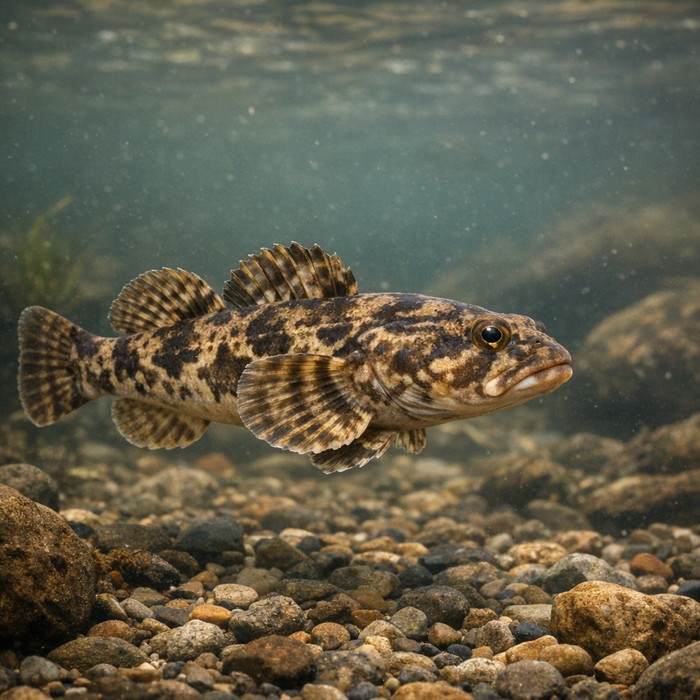
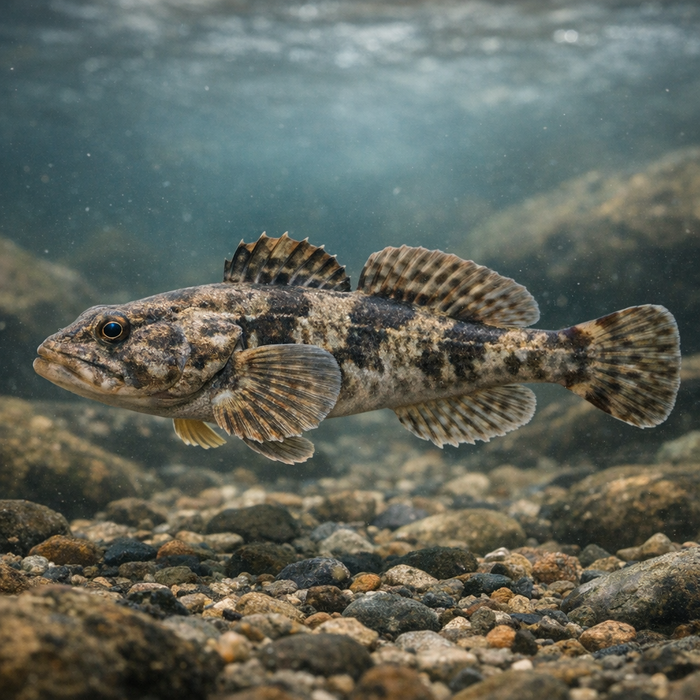
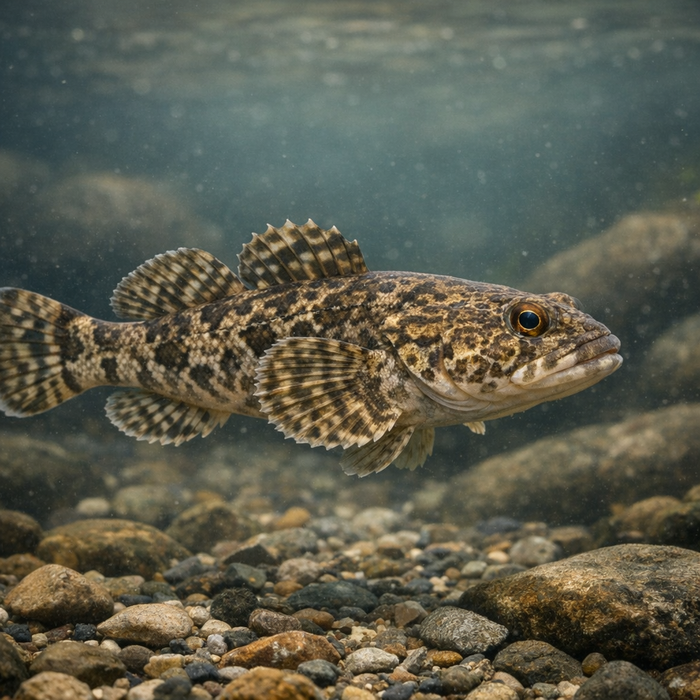
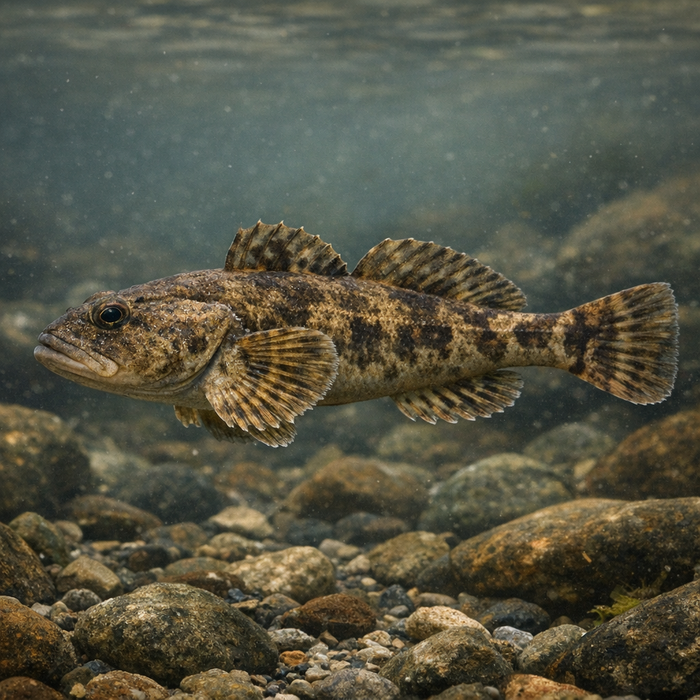
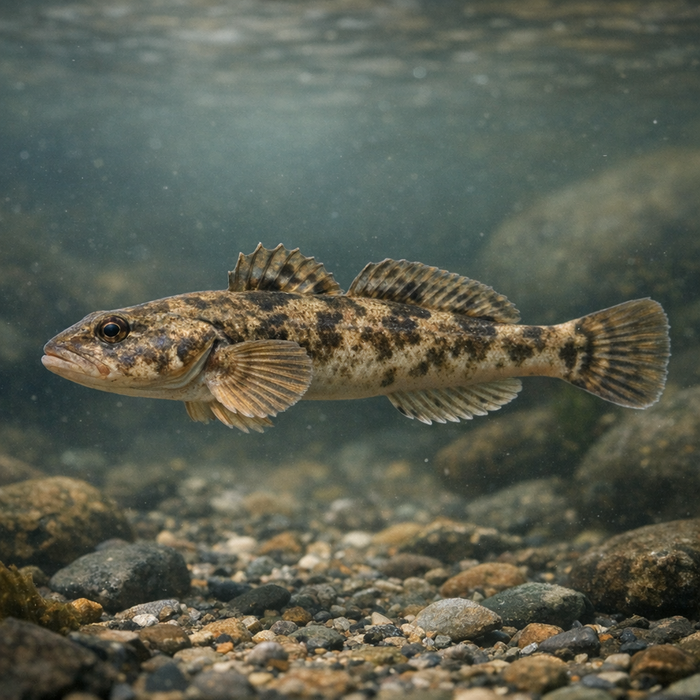
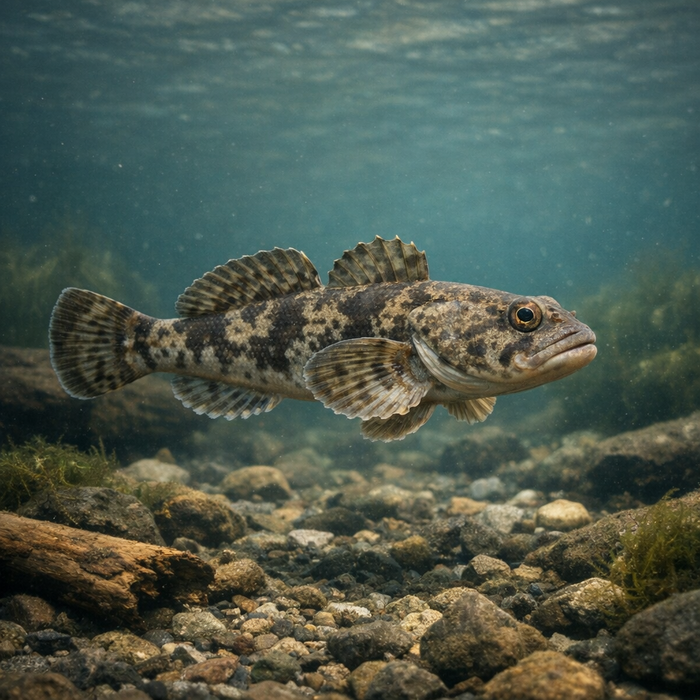
Rough Sculpin (Cottus asperrimus): A Bold, Memorable Hook LineIntroductionThe rough sculpin is the little bruiser most anglers never notice, squatting on cobble and mugging anything bite-sized that drifts too close. It's compact, cranky, and built like a prehistoric doorstop. If you like overlooked natives and tight-knit habitats, the rough sculpin is your kind of weird.What Makes the Rough sculpin Unique?Start with the texture. True to its name, the rough sculpin wears a coat of microscopic prickles that give it a sandpapery feel and extra traction in current. Then there's the no-swim-bladder situation. This fish doesn't float; it squats. Big pectoral fins act like kickstands, letting it hold position in spring-fed flow most minnows avoid. Add high-set eyes and a wide, vacuum-action mouth and you've got a specialized ambush predator scaled for small water. These aren't random traits. They're a purpose-built kit for life on the rocks.Habitat & Global RangeIf you're chasing Rough Sculpin habitat for the first time, think cold, clear, and stony. The fish keys on clean cobble, spring seep edges, and rocky lake margins where current meets cover. It's a homebody, hugging bottom structure and short-ranging between prime stones. The rough sculpin exists in a tight geographic box compared to most gamefish, with life anchored to specific spring-fed rivers and lakes that stay cool year-round. That hyperlocal lifestyle means water quality and substrate matter. Silty or trampled gravel? Confidence drops fast. Get the right mix of oxygen, cool temperature, and firm rock, and rough sculpin numbers can be sneaky-high.Behavior & TemperamentThe rough sculpin doesn't roam so much as lurk. It parks, watches, and explodes over inches, not feet. Dusk and dawn are prime windows, with short, sharp feeding bursts when drifting insects or tiny fish get funneled along stones. Aggression is situational: small offerings that tick bottom can trigger scary-fast eats, but the fish also spooks at clumsy shadows or crunching wader steps. Fighting spirit? Let's be honest. You're not here for runs. You're here for the bite, the ID, and that smug smile when the mottled potato with fins turns out to be the right mottled potato with fins.Ecological ImportanceRough Sculpin act as open tabs in the food web. They vacuum up benthic invertebrates and juvenile fish, then pay it forward by feeding larger trout, birds, and mammals. Their bottom-hugging posture helps convert drift into calories that stay in the system, stabilizing energy transfer between riffles and pools. Because they're picky about clean substrate, rough sculpin presence often signals healthy flow, good oxygen, and intact gravel. They're like a pocket-sized QA team for small rivers and spring-fed shorelines.Conservation & Environmental PressuresThe rough sculpin's biggest risk isn't a fleet of anglers; it's habitat squeeze. Fine sediment from poor land use, low summer flows, warm-water pulses, and shoreline trampling all chew away at clean-rock real estate. Invasive species can complicate things too, nudging food webs or outcompeting natives in the margins. The fish isn't a headline endangered story, but its micro-range means local hits land hard. A single battered tributary can matter more than you'd think.The FishyAF TakeThe rough sculpin is proof that small doesn't mean simple. It's a masterclass in how evolution tunes a fish to a niche, from prickly skin to kickstand fins. If you're into rough sculpin facts, start by appreciating how the entire build screams bottom ambush. If you want to actually meet one, slow down. Watch the rocks. Fish like a heron, not a sprinter. The Rough Sculpin isn't a glory species, but it's pure satisfaction for anglers who value place, pattern, and a little weird. Catch one and you'll never look at a gravel bar the same way again.