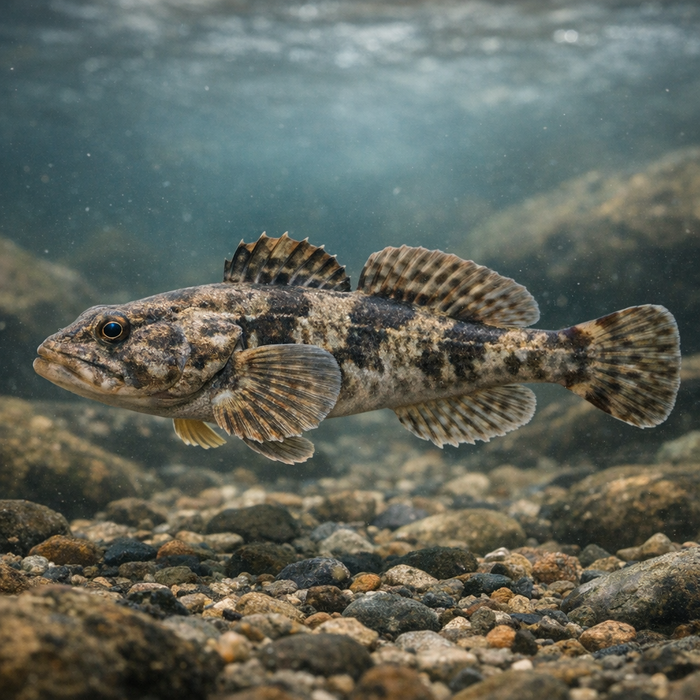
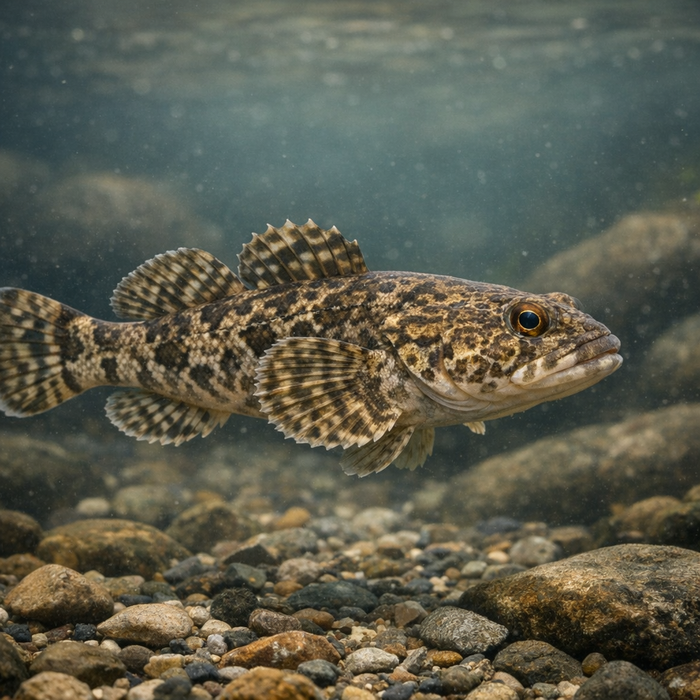
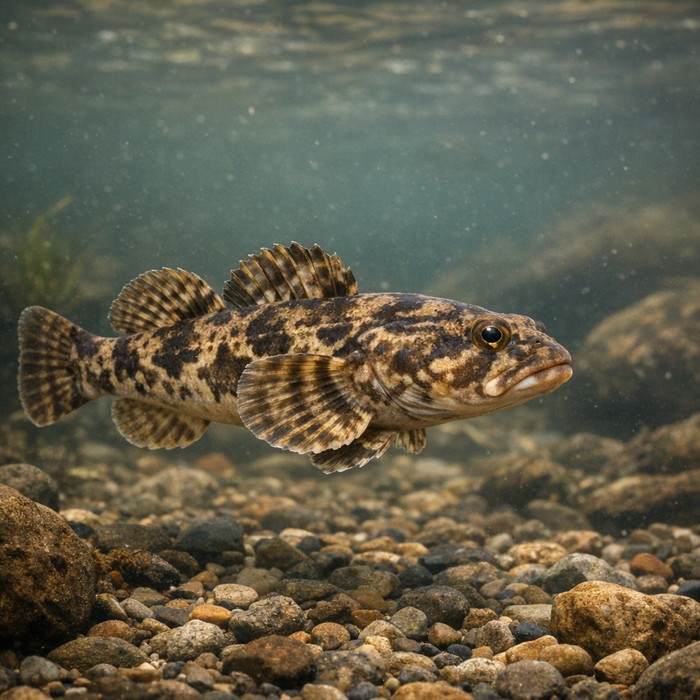
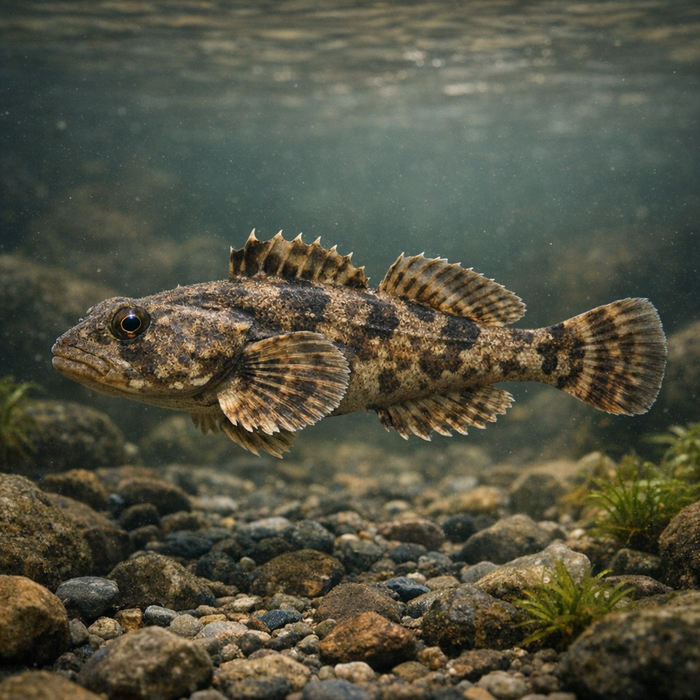
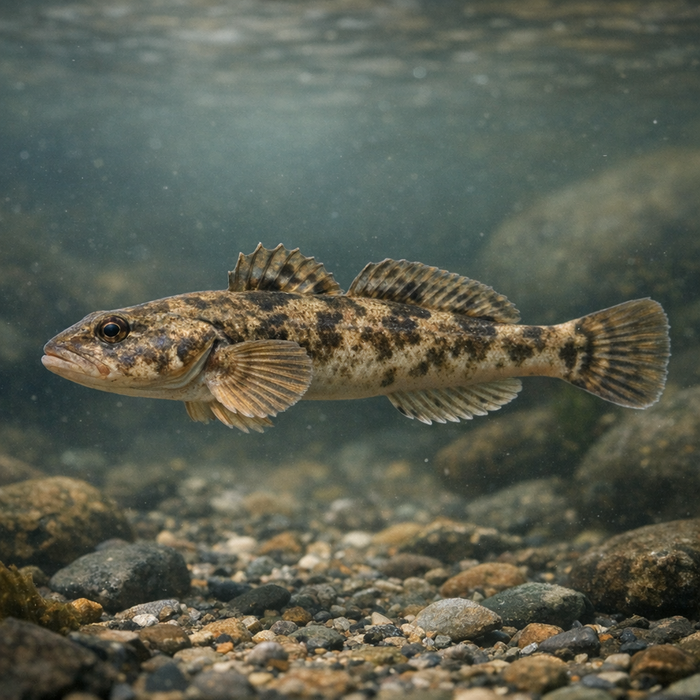
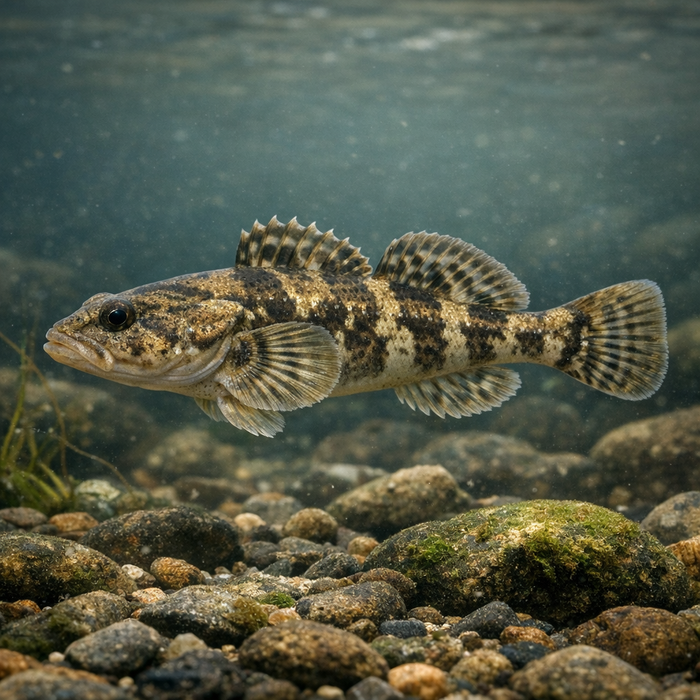
Shorthead Sculpin (Cottus confusus): A Bold, Memorable Hook LineIntroductionMeet the underfoot ninja of the Pacific Northwest. The shorthead sculpin is small, sneaky, and absolutely welded to the bottom. You won't spot it cruising midwater or blitzing the surface; you'll feel an odd tap, lift the rig, and suddenly the gravel grew eyes. For anglers who geek out on micro species and riffle life, the shorthead sculpin brings ridiculous character in a pocket-sized package. This fish isn't here to flex. It's here to out-camouflage your best game.What Makes the Shorthead sculpin Unique?First, that name. Shorthead sculpin means exactly what it says: a compact head profile compared to other Cottus neighbors, but still with those outsized pectorals and prickly cheek spines. Second, the species tag confusus. It's a wink to the historic mix-ups with similar sculpins, and a reminder that ID matters when streams pack multiple species. Third, the lifestyle. No swim bladder. Zero interest in midwater life. This fish is purpose-built for bottom work, ambushing prey from inches off the substrate and scooting with fin-propulsion rather than true swimming. If you're into Shorthead sculpin facts, start with that: it's a specialist among specialists.Habitat & Global RangeShorthead sculpin habitat screams cold, clear, and rocky. Think Columbia River Basin tributaries with cobble riffles, pocket water, and steady current that keeps oxygen high. You'll meet them in Washington, Oregon, Idaho, and western Montana, plus adjoining parts of British Columbia. They hold tight to interstitial spaces between stones, duck under flat rocks, and tuck along current breaks where food funnels right to their faces. Depth is usually ankle to knee deep, though they'll slide into deeper runs when flows drop or light goes bright. They occasionally inhabit lake shoals with clean substrate, but fast-water streams are the signature address.Behavior & TemperamentShorthead sculpin are ambush micro-predators with oversized confidence for their size. Those high-set eyes watch upward while the body clings to bottom, ready to lunge a few inches and inhale. They feed primarily at low light, but if the current delivers the goods, they'll snack whenever opportunity flows. Spawning hits in spring when snowmelt bumps flows and temps climb into the cool-but-tolerable zone. Males stake out a single slab rock, coax a female to plaster eggs to the underside, and then guard, fan, and fight. Aggression is real at nest time, but it's all close-quarters and bottom-hugging. They don't school, don't roam much, and don't put on distance runs. Hook one and it's more of a determined bulldog shake than a sprint.Ecological ImportanceThis fish is both predator and prey, a pivotal link in Western trout country. As a predator, the shorthead sculpin vacuums up aquatic insects and the occasional tiny fish, helping regulate benthic communities. As prey, it's a protein bar for young trout, larger sculpins, and wading birds. Healthy sculpin populations usually tag-team with healthy trout streams: cold water, clean substrate, stable flows, and a buffet of drifting macroinvertebrates. If you want to read stream health in one glance, check for sculpins. They're the riffle's little honesty test.Conservation & Environmental PressuresGood news first: the shorthead sculpin is generally considered stable across much of its range. The catch is that it's a habitat specialist. Silted substrate, warm water, channelization, and dewatered riffles slam the door on this fish fast. Because it doesn't migrate far, local impacts are local disasters. Road crossings that dump sediment, irrigation withdrawals that flatten riffles, and bank work that scrapes cobble all hurt. The best protection isn't fancy: cold water, clean rock, smart flows. Keep that and the shorthead sculpin keeps doing sculpin things.The FishyAF TakeThe shorthead sculpin is the stream's little bouncer. It doesn't chase flash, it doesn't care about your hero shot, and it absolutely will make you present with precision. If you're chasing Shorthead sculpin habitat to round out a species list, bring micro gear, learn the bottom, and embrace subtle takes. It's not a grip-and-grin fish. It's a microscope fish. But once you tune in, the sculpin vibe is addictive: clean cobble, cold fingers, and a creature so dialed to its environment that it turns rocks into cover and current into a conveyor belt. That's angling minimalism at its best, and it's a win for anyone who reads water more than they swing for fences.