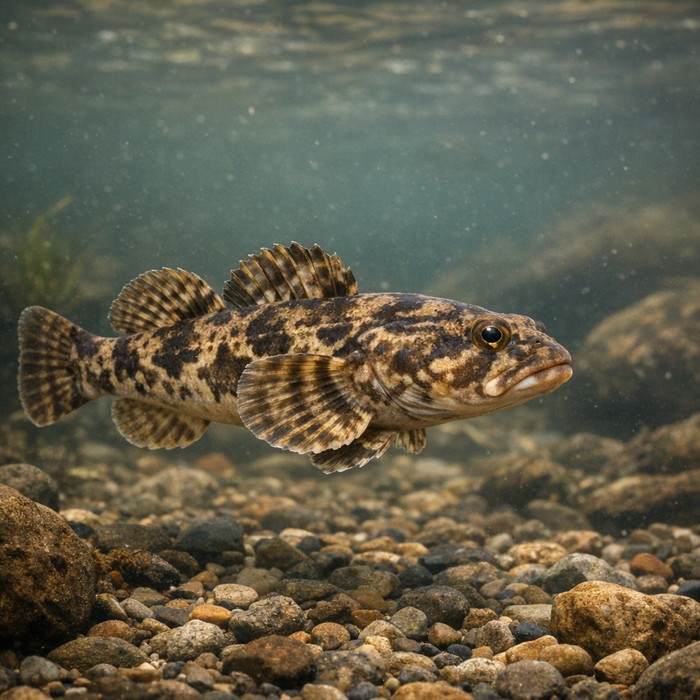
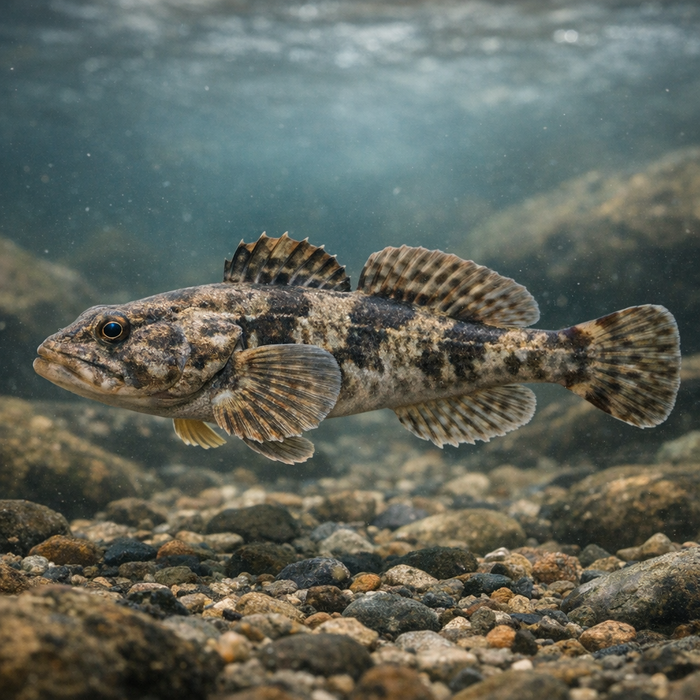
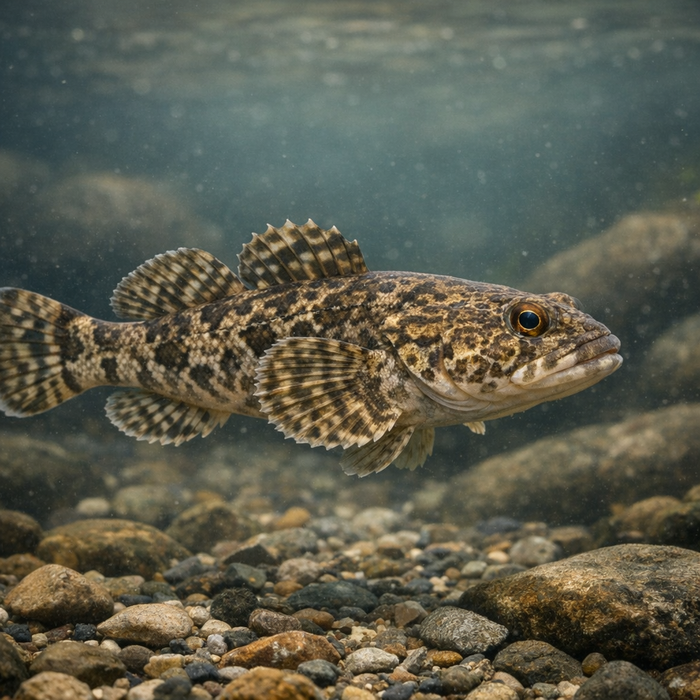
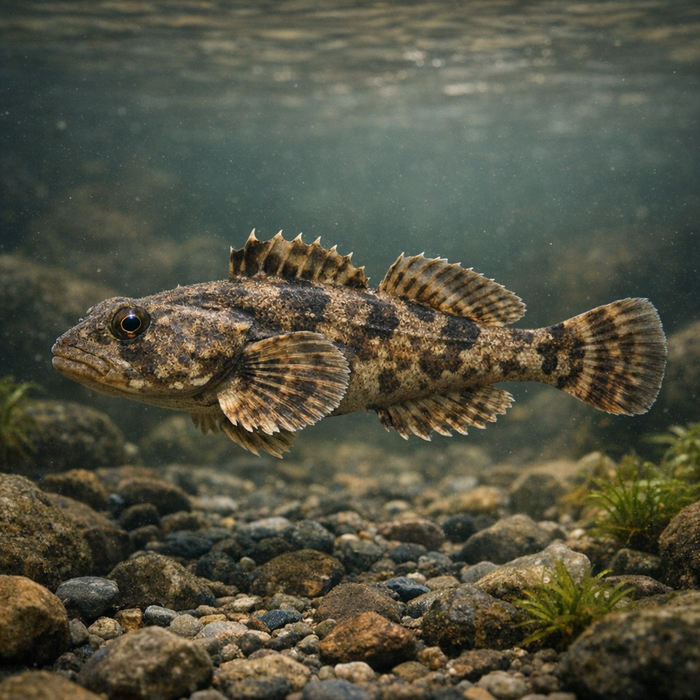
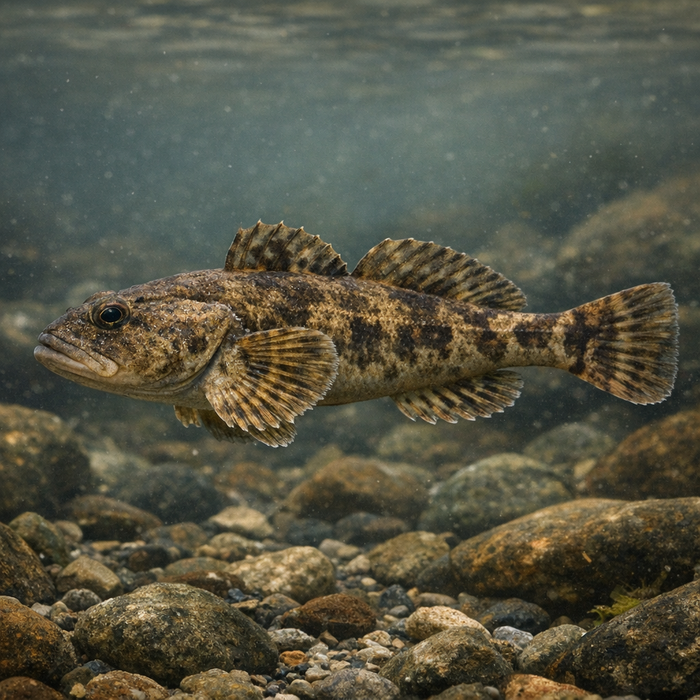
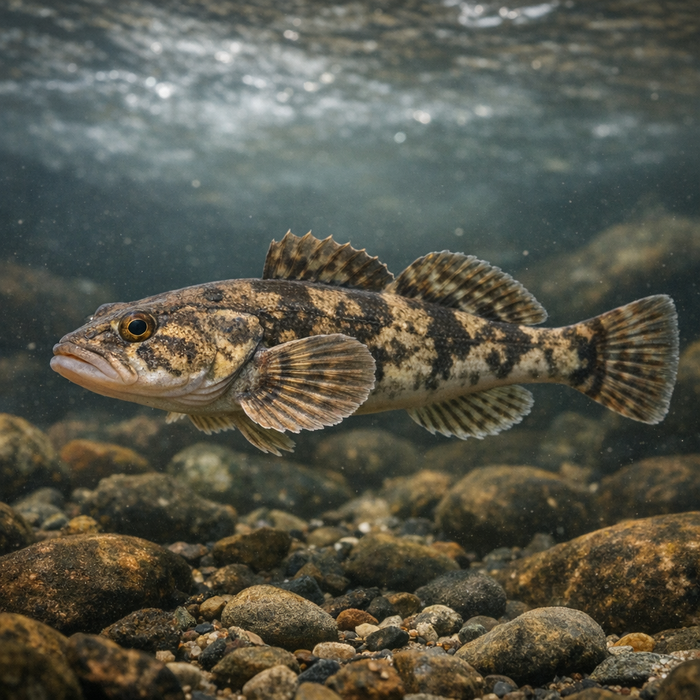
Slender sculpin (Cottus tenuis): A Bold, Memorable Hook LineIntroductionThe Slender sculpin is the tiny bulldog of the Klamath Basin: bottom-hugging, rock-loving, and stubbornly local. You won't troll for it, and it won't spool you. But if you like micro challenges, sharp habitat clues, and sneaky sight presentations, this little native will scratch that itch. Consider this your straight-shooting primer on Slender sculpin facts and how to appreciate one of the basin's most underhyped residents.What Makes the Slender sculpin Unique?First, the build. True to its name, the Slender sculpin carries a narrow, wiry body ahead of a broad, flat head and saucer-sized pectorals. No swim bladder means it's born to stick the bottom, using those fins like landing gear to pivot, scoot, and pounce. Second, it's a homebody. While other fish roam, this species sets up shop tight to cobble, springs, and gentle currents, moving only as much as dinner or danger demands. Third, the nesting game is classic sculpin drama: eggs glued under a rock "ceiling," with the male fanning, guarding, and generally playing tiny bouncer until hatch.Habitat & Global RangeLet's keep it real: the Slender sculpin is a Klamath Basin specialist. Think Upper Klamath Lake, connected spring runs, plus clear, cold tributaries where groundwater punches in and keeps oxygen high. If you're scouting Slender sculpin habitat, look for pale pumice flats, cobble patches, and edges where spring vents sharpen the chill. This isn't an everywhere fish. It's a here fish. And that hyper-local vibe makes every sighting feel like you've stepped behind the curtain on a native scene most anglers blow past.Behavior & TemperamentThe Slender sculpin is equal parts ambush artist and statue. It will sit motionless for long stretches, then blast a short, decisive sprint to pin a drifting morsel. Spook one and you'll see a quick dart followed by total freeze, the aquatic version of "you can't see me if I don't move." Activity ticks up at dusk and dawn, and it's more about cover and current seams than open flats. You won't find surface commotion; everything happens on the deck.Ecological ImportanceDon't mistake small for trivial. The Slender sculpin plugs right into the native food web, converting bottom-dwelling invertebrates into calories available to larger predators. It's also a tidy habitat signal. Where you find healthy sculpin populations, you often find clean groundwater influence, cold temperatures, and stable substrate. That's more than trivia. It's a quick read on stream condition without ever cracking a lab kit.Conservation & Environmental PressuresWhile currently listed as Least Concern, the Slender sculpin still lives close to the edge of its map. Localized range means localized risk. Groundwater withdrawals that dull spring flow, sediment that buries cobble, shoreline trampling, or prolonged warm spells can squeeze these fish harder than generalist species. Algal blooms in large shallow lakes nearby don't do them favors either. Keeping springs clear, banks vegetated, and flows sane is the kind of boring, essential work that keeps this native scrappy and present.The FishyAF TakeThe Slender sculpin isn't a hero fish. It won't headline your social feed or star in a tail-walking video. But if you're the kind of angler who loves puzzles, pocket water, and the satisfaction of putting eyes on a native that most folks never notice, it's pure catnip. Bring finesse gear, short casts, and patience. Work like a heron. And when that little shadow twitches and you lift into an ounce of attitude, you'll get it. The Slender sculpin is the Klamath's whisper: small, precise, and absolutely worth your time.