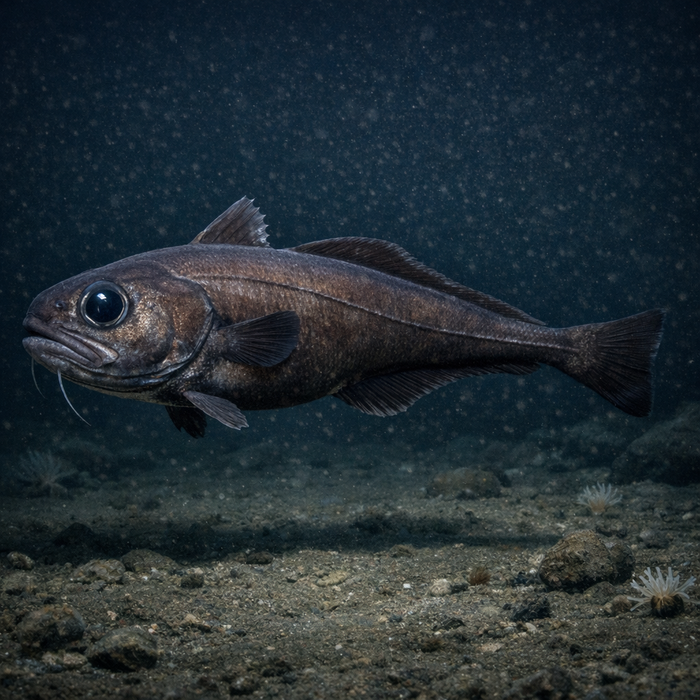
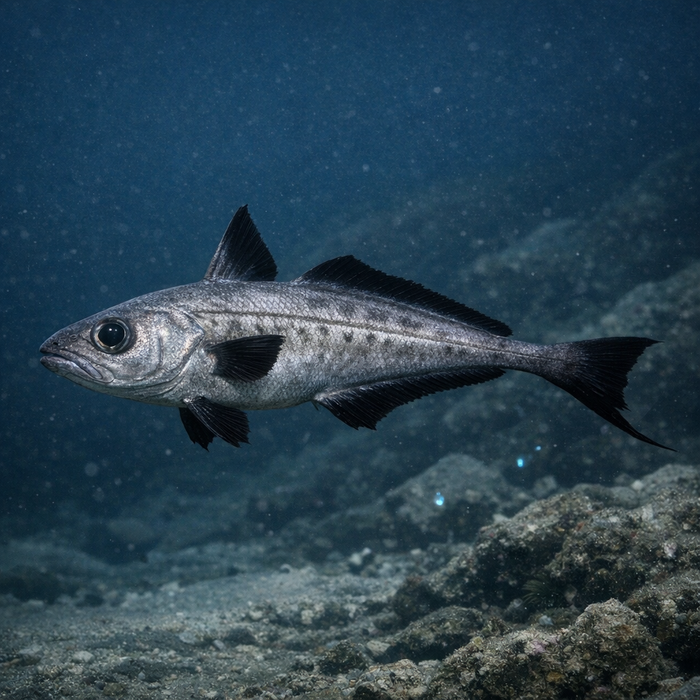
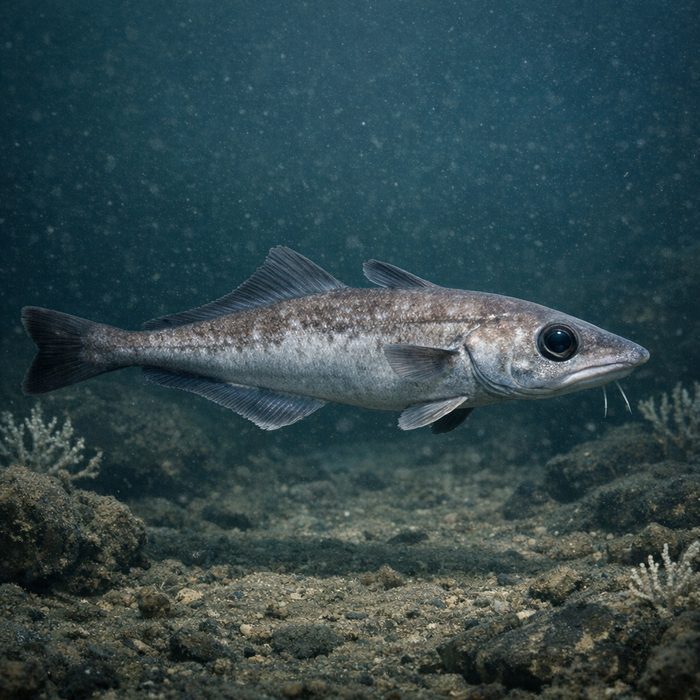
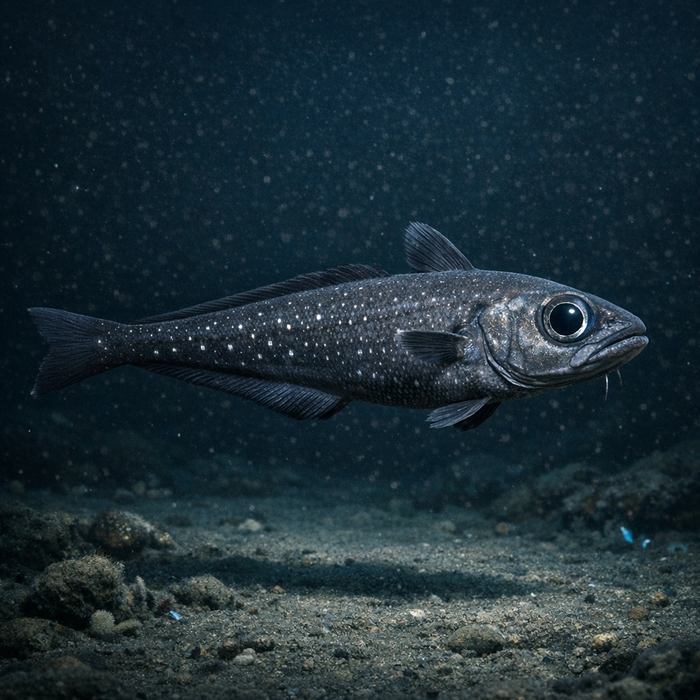
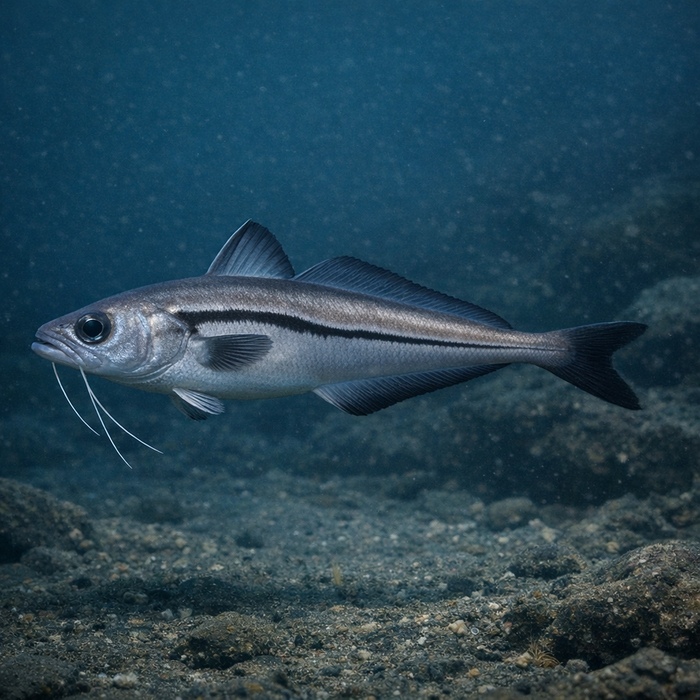
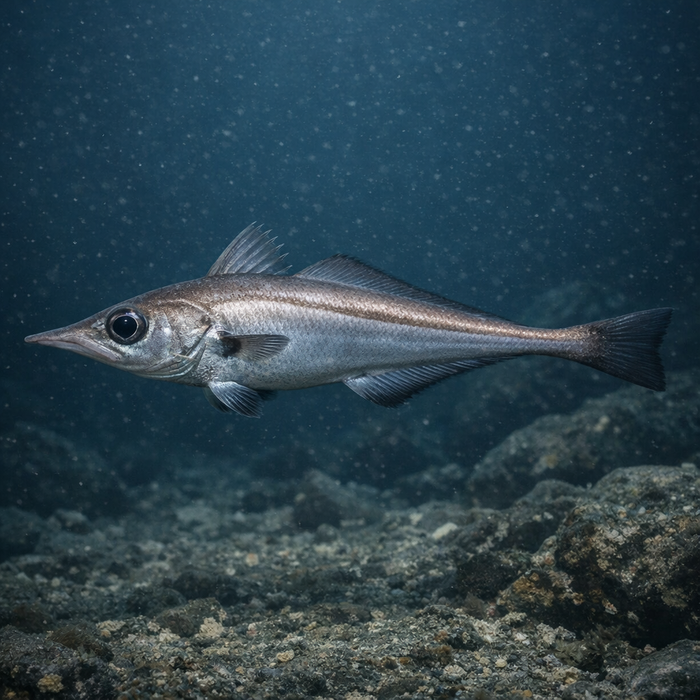
Western Softhead Grenadier (Malacocephalus occidentalis): A deep-drop rattail built for the dark.IntroductionMeet the western softhead grenadier, the deep-sea equivalent of a stealth bomber. It's long-tailed, low-drama, and perfectly tuned for life where sunlight taps out. Anglers almost never target it on purpose, but if you send baits to the continental slope with a heavy sinker, this ghost from below might ride back up with you. It's a masterclass in weird design solving brutal pressure, cold water, and fine silt. If you're chasing Western softhead grenadier facts or just curious what nibbles at 1,000 feet, stick around.What Makes the Western softhead grenadier Unique?Start with the name. "Softhead" isn't an insult; it's engineering. The skull uses gelatinous tissue that reduces bone and bulk, shrugging off crushing pressure while saving energy. Add a ridiculous, whip-like tail that makes up more than half the body, and you've got a fish that trades power for efficiency. A single chin barbel works like a whisker, testing bottom texture and micro-currents without blasting silt into a blinding cloud. Big, upturned eyes scavenge what little light exists, giving the western softhead grenadier an edge in a world of shadows.Habitat & Global RangeThe western softhead grenadier holds court on the western Atlantic's deep slopes, from the Southeast and Gulf Coast into the Caribbean and parts of northern South America. Think soft mud, gentle contours, and the base of underwater escarpments rather than reefs. This is classic Western softhead grenadier habitat: a few hundred to well over a thousand meters down, where "structure" can mean subtle mud waves and a faint temperature break instead of boulders and kelp. It spends most of its life glued to the bottom layer or hovering inches above it, using tiny fin beats to stay poised without stirring a mud storm.Behavior & TemperamentThis isn't a brawler. The western softhead grenadier is a methodical drifter, picking its moments and conserving energy like a miser. It often hovers just off bottom, tail ticking along while the head and barbel do sensory work. Strike behavior isn't explosive; it's a polite thump, sometimes mistaken for current flutter on your line. Lift steadily and you'll feel that slow, insistent weight. They rarely run hard or head for structure because there isn't much structure to crash into down there. If you're expecting fireworks, you're fishing the wrong depth.Ecological ImportanceDeep-slope communities are built on efficiency, and the western softhead grenadier fits perfectly. It's a mid-level predator in a slow-motion food web, turning sparse bottom life into calories for larger deepwater hunters. That long tail and light skeleton are part of a broader deep-sea strategy: stay cheap to run and hard to notice. Because many deep-sea species grow slowly, even small shifts in mortality can bounce through the system. The grenadier helps translate the dark bottom's productivity into something the rest of the slope can use.Conservation & Environmental PressuresYou won't see the western softhead grenadier headlining conservation campaigns, but deepwater life faces a quiet set of threats. Deep trawling scours soft bottoms, re-suspends ancient sediments, and crushes slow-growing communities. Oil and gas activity in the Gulf and seismic exploration don't help. Climate-driven changes in currents and oxygen levels can shift slope conditions in ways we're only starting to map. Formal listings tend to lag because the science is tough and expensive at these depths. Treat the stock as data-shy and behaviorally fragile, not bulletproof.The FishyAF TakeThe western softhead grenadier is the fish you boated before you knew you boated it. That vague, steady weight on a deep-drop rig? Probably this customer. It's not glamorous, doesn't jump, and won't wreck your knuckles. But it's an honest, pressure-proof original from the continental slope, and that alone makes it worth knowing. If you chase deep-dwellers, understanding this species helps you read the bottom better and pick smarter drops. File this under Western softhead grenadier facts that matter: it's subtle, it's specialized, and if you respect the deep, it's actually a pretty cool win.