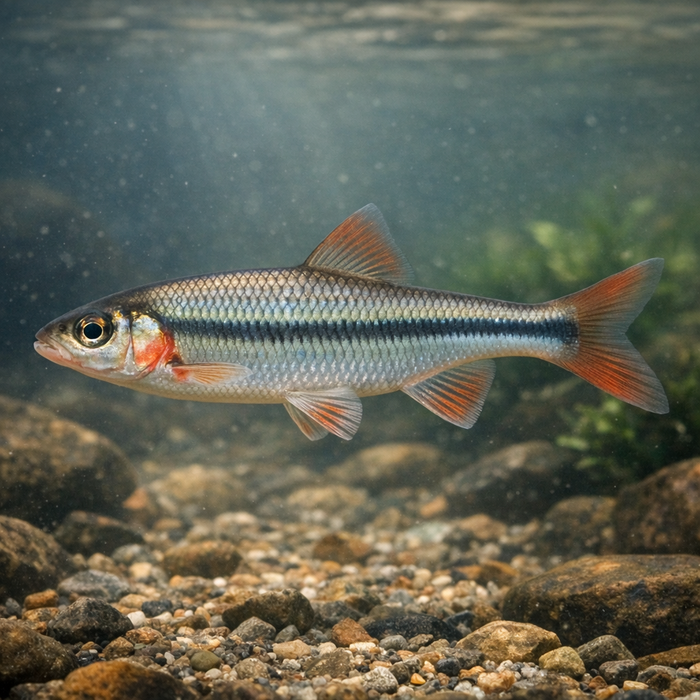
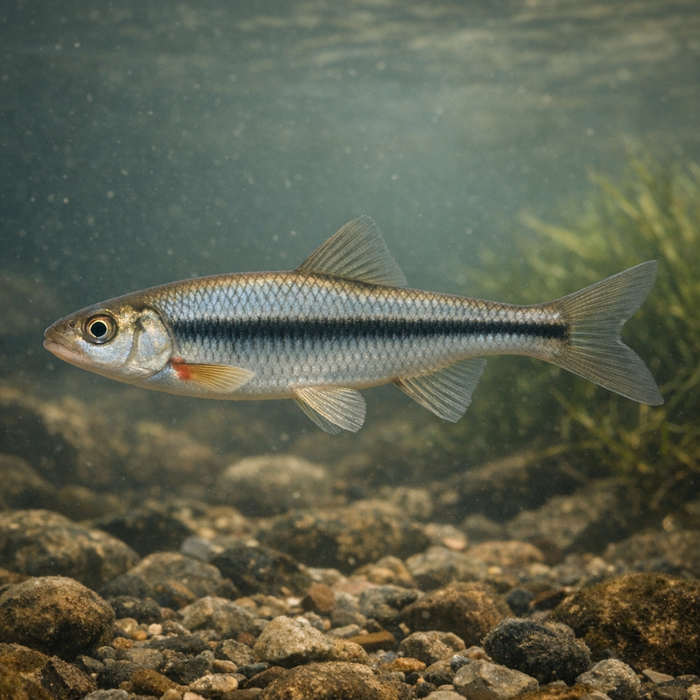
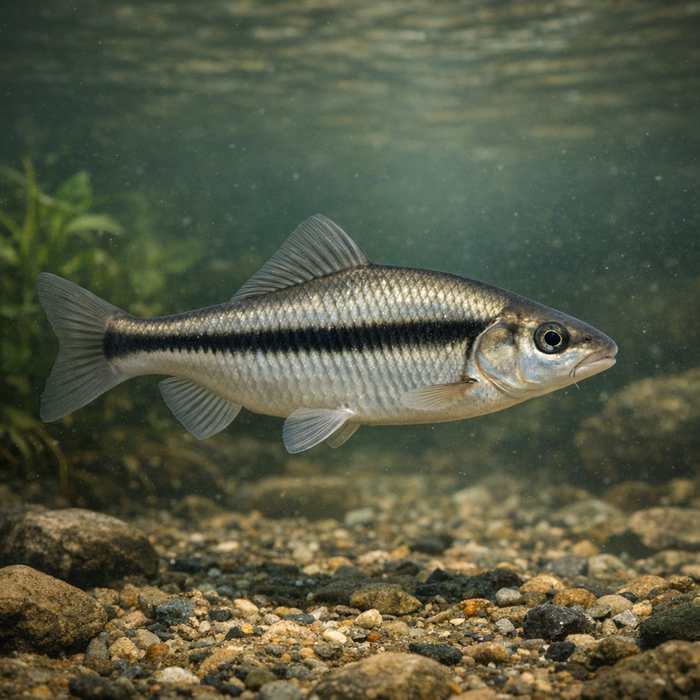
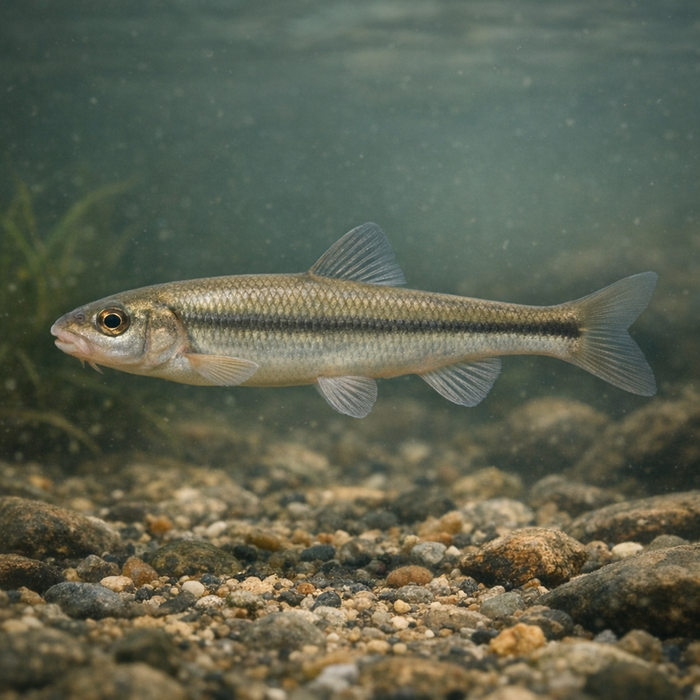
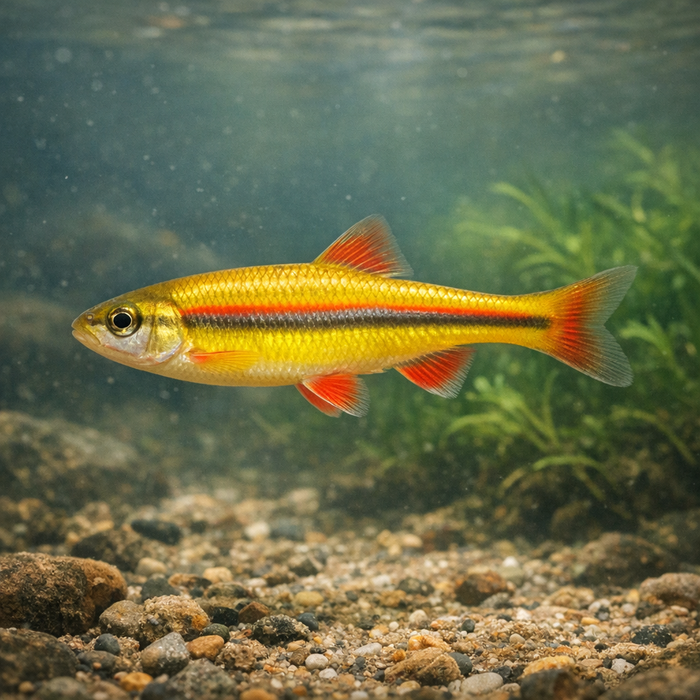
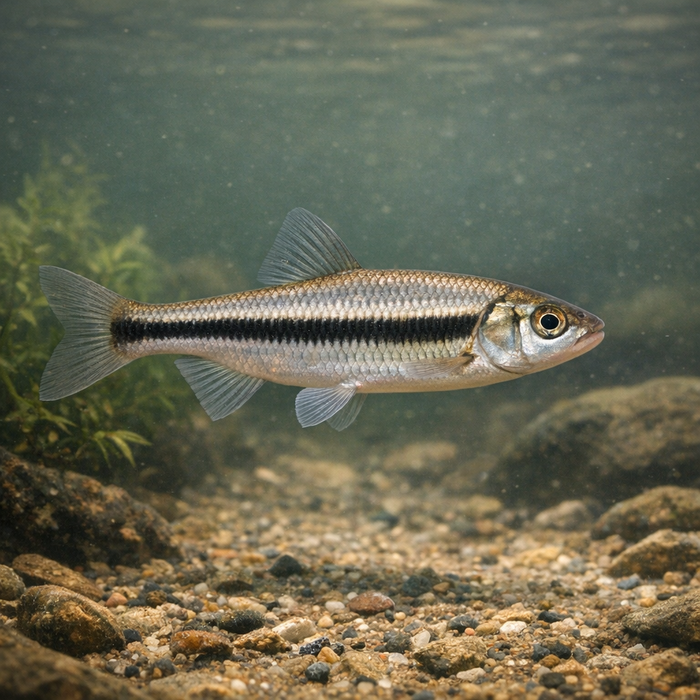
Whitemouth Shiner (Miniellus alborus): A Bold, Memorable Hook LineIntroductionIf you're the kind of angler who sweats the tiny stuff, the whitemouth shiner is your jam. This minnow isn't a bruiser. It's a masterpiece of precision: a flicker of silver, a white-flash mouth, and a habit of schooling so tight they move like one thought. Microfishing it takes nuance, not biceps, and it's a refreshingly nerdy change of pace.What Makes the Whitemouth shiner Unique?Two big things. First, the mouth lining: it's pale to bright white, a little flashlight that blinks during feeding and courtship. That flash is a dead giveaway when you're trying to tell it from a dozen other little silver bullets. Second, the body plan is built for drift-feeding finesse. Slim, hydrodynamic, with just enough muscle to hold a seam and dart, the whitemouth shiner makes a living on split-second sips. Those details make the whitemouth shiner a low-key star for anglers who like a challenge measured in millimeters.Habitat & Global RangeLet's keep it straight: this is a freshwater stream fish, most consistent in clean, sand-and-gravel creeks with decent current. Think runs and riffle margins where the substrate isn't buried in silt. The whitemouth shiner prefers flow, clarity, and oxygen, and tends to do best where banks are stable and canopy gives a little shade. Regionally, it's a Southeastern US specialty, a local hero rather than a national headliner. If you're digging into Whitemouth shiner habitat, target shallow run edges, pool tails, and low-turbulence lanes next to faster water.Behavior & TemperamentThe whitemouth shiner is a schooler. A good school acts like a mirror cloud pivoting on a dime. Individuals hold just off the main push, intercepting fine drifts: midge larvae, tiny invertebrates, and whatever micro-snacks ride the current. Spawning pops in late spring as flows stabilize and water warms; males develop sandpapery breeding tubercles on their snouts. Eggs are broadcast into gravel seams where crevices handle the childcare. They're not fighters in the slam-drag sense, but they're maddeningly quick and suspicious, which is half the fun of microfishing them.Ecological ImportanceDespite their size, shiners are serious cogs in the machine. The whitemouth shiner channels aquatic invertebrate production into larger predators like bass, pickerel, and sunfish. That transfer is classic food-web glue. Their habit of working riffles and run edges also ties them to clean substrates. When populations slide, it can flag problems: sedimentation, nutrient loading, or habitat fragmentation. If you want a cheap, honest environmental report card, watch the shiners.Conservation & Environmental PressuresFor a fish this small, the threats are big: sediment from bad land use, flashy stormwater that beats up riffles, and low dissolved oxygen when algae blooms choke the flow. Small barriers matter too; even a culvert perched a little high can pinch local movements. The whitemouth shiner doesn't need coddling so much as it needs the basics: intact banks, stable flows, and gravel that isn't smothered. Localized declines happen fast when sand turns to muck.The FishyAF TakeThe whitemouth shiner won't spool you, and it won't headline a guide brochure. What it will do is sharpen your game. It punishes sloppy presentations and rewards clean drifts and stealth. For anglers who want to level up their finesse, microfishing this species is like marksmanship training. You'll read water better, calm your casts, and learn to love the subtle take. File under: tiny fish, big lessons. And if you came here hunting Whitemouth shiner facts, here's the kicker: that ghost-white mouth is your best ID buddy when the school blurs into silver static.