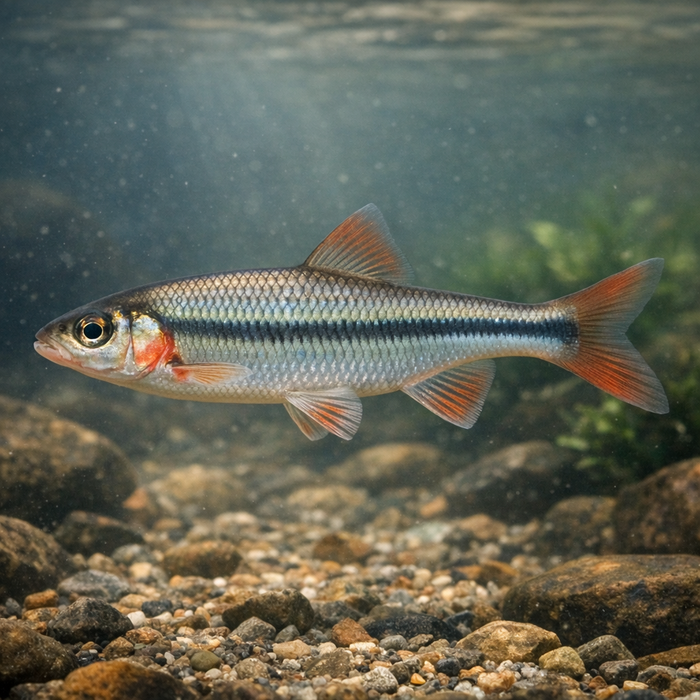
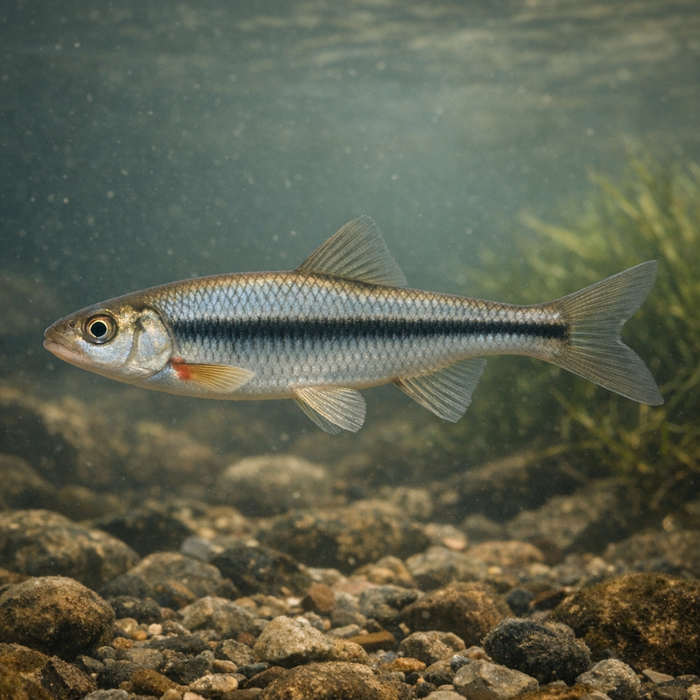
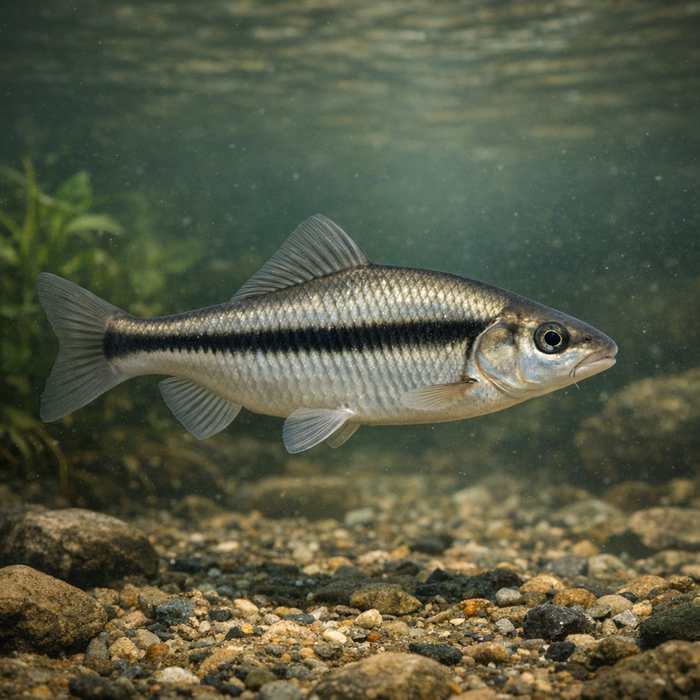
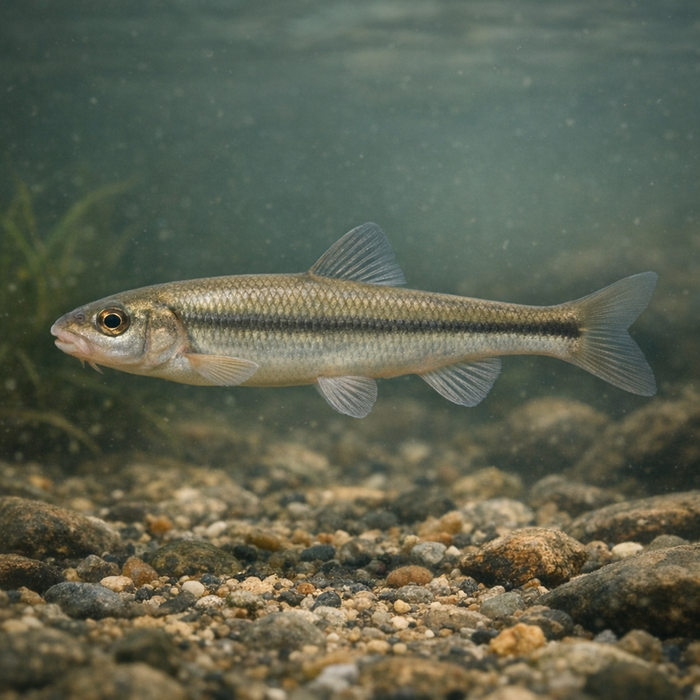
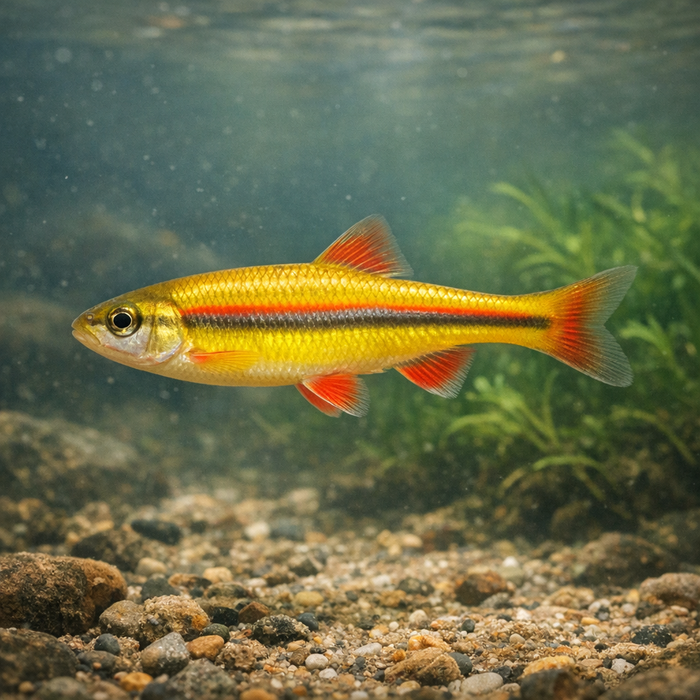
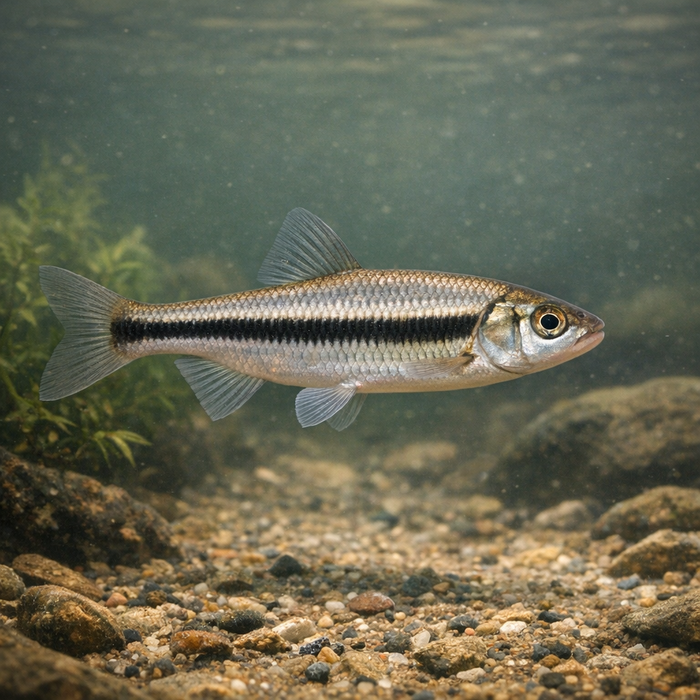
Yazoo Shiner (Notropis rafinesquei): A Bold, Memorable Hook LineIntroductionThe Yazoo shiner is a micro-sized missile that lives where clean current hums and gravel shines. You won't chase it for drag-scorching runs or hero shots. You chase it because it's a sleek, endemic little specialist that tells a creek's story in one glance. Nail a Yazoo shiner, and you just unlocked a hyper-local puzzle most anglers never even notice.What Makes the Yazoo shiner Unique?Two things: precision and polish. First, the Yazoo shiner is tuned to quick water and clean substrates, the kind of habitat where insects drift, oxygen stays high, and silt doesn't smother everything. Second, it carries the classic shiner glow. Schooling fish flicker in unison, flashing silver sides and a dark, sharp stripe that seems to steer the whole pack. Tucked into that small frame is a current-loving athlete with fast reflexes and zero patience for muddy water. If you're into microfishing or just curious, these fish turn a quiet riffle into a living light show. Consider this your starter kit for real Yazoo shiner facts.Habitat & Global RangeLet's keep it simple: this is a Yazoo River basin fish. The Yazoo shiner is a creek-and-small-river specialist that stakes out riffles, runs, and pool tails where sand and fine gravel dominate and water clarity counts. Think knee-deep to shallow water over clean rock, with sunlight punching through and just enough flow to keep things tidy. Slide a few yards downstream and you'll hit a pool where the school settles midwater, tracking current like a conveyor belt. When talking Yazoo shiner habitat, remember that turbidity and embedded sediment are the enemy. Clean substrates, steady flow, and moderate depth are its comfort zone.Behavior & TemperamentThis fish is a team player. Schools move like a single muscle, shrinking and stretching across seams. They position just off the main jet of current so they can track drifting morsels without burning up. Spawning activity cranks up with warming spring water and rising flows, when males sharpen their contrast and joust for position. The Yazoo shiner doesn't spook the way a big predator does. It simply melts sideways as a pack, then re-materializes where the current resumes. Hook one on a micro rig and you'll feel a tap, a flash, and a quick, jittery wiggle. It's not about the fight; it's about the precision.Ecological ImportanceSmall? Sure. Irrelevant? Not even close. The Yazoo shiner turns aquatic insects into fuel for the whole creek, handing energy up the food chain to bigger fish and birds. It's a living gauge of stream health. When the riffles run clear and clean, Yazoo shiner schools tighten up and thrive. When silt settles in and algae mats creep across the bottom, they fade. Knock out this tier of the food web and the system loses its gears. Keep them around, and the machine purrs.Conservation & Environmental PressuresThis fish isn't chasing headlines, but it is chasing clarity. Channelization, sediment runoff, and prolonged turbidity slam the breaks on Yazoo shiner success. A single storm doesn't ruin a creek, but repeated pulses of mud and fine silt do. These fish need that tidy, oxygen-rich gravel to do their thing. The good news: where basics like riparian buffers, stable banks, and sane land use show up, the Yazoo shiner responds fast. It's not a diva; it just wants a clean stage.The FishyAF TakeIf you're the angler who loves secret levels, the Yazoo shiner is your cheat code. Light line, tiny hooks, and a pinch of worm in a shallow seam will make you pay attention to water the way you should anyway. The Yazoo shiner rewards stealth and accuracy more than horsepower. It also forces you to see the creek as a system, not a background. That's the quiet magic: one little fish that makes you fish smarter everywhere else. Bag a few clean photos, let them slide, and you'll walk away with a new respect for moving water and the micro rockets that run it.