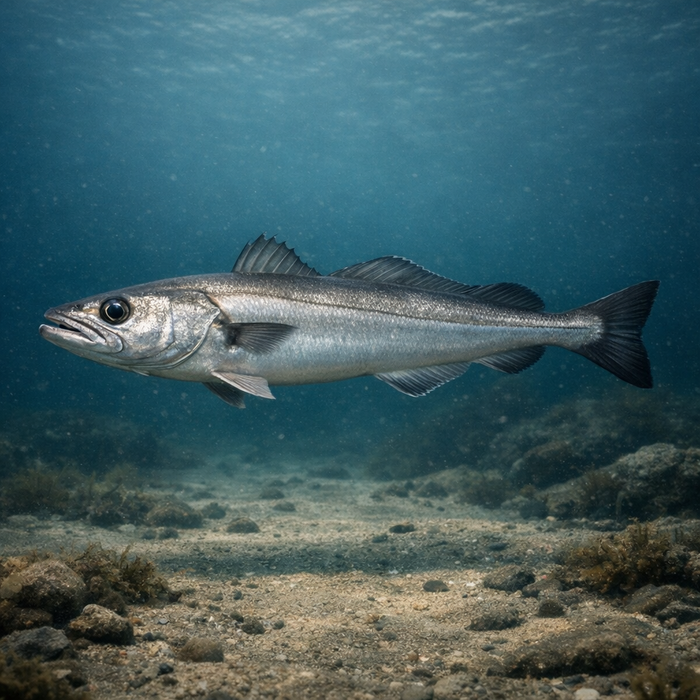
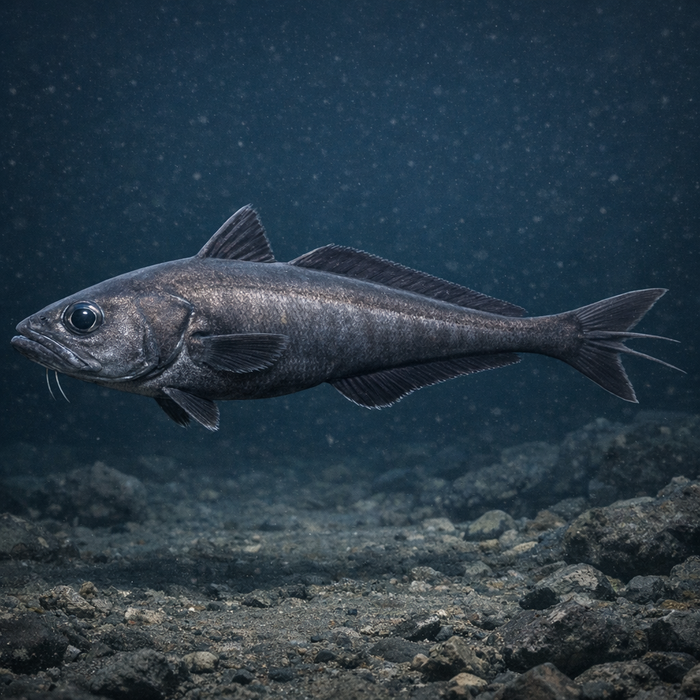
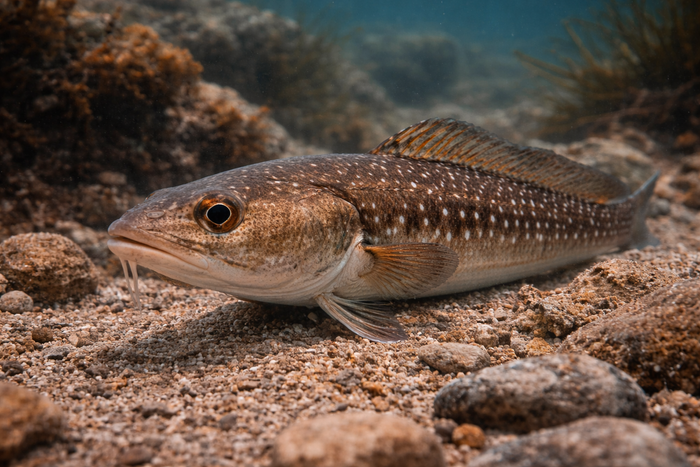
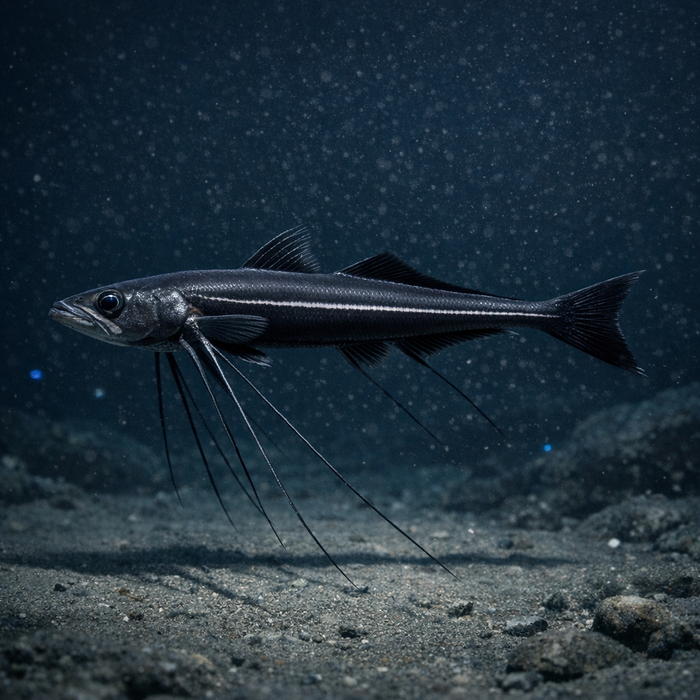
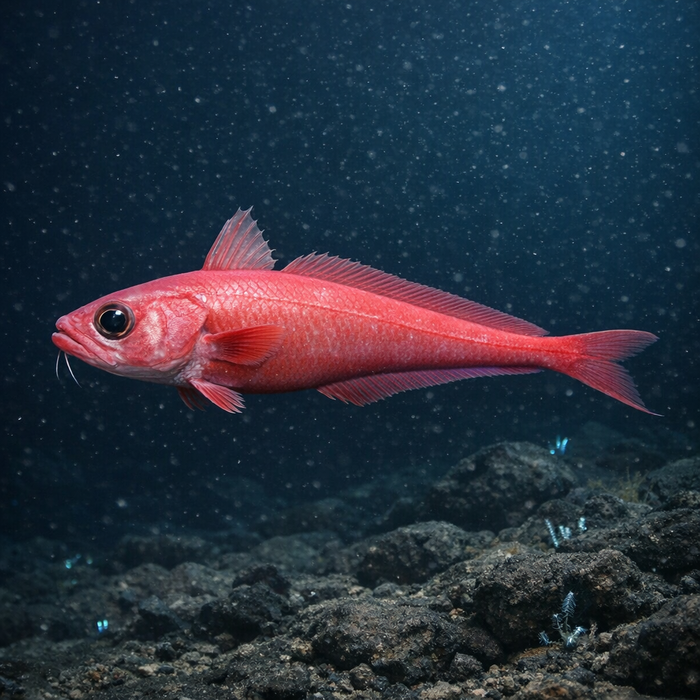
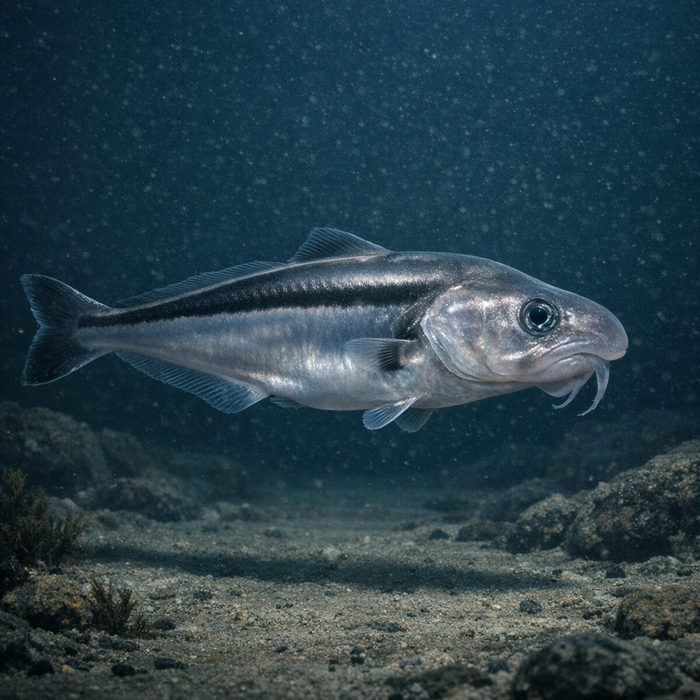
Antarctic Icefish (Chaenocephalus aceratus): The Bottom Predator That Runs Without Red Blood
The Antarctic Icefish makes ordinary fish physiology look unnecessarily complicated. It survives without hemoglobin, the oxygen-carrying protein that gives most vertebrate blood its red color. That is not a party trick. It is an extraordinary way of living in an environment where cold, oxygen-rich seawater helps make an otherwise difficult arrangement workable. This species is also called the blackfin or Scotia Sea icefish, names worth knowing when separating it from other Antarctic fishes.
For anglers, the attraction is obvious: an unusual bottom predator in genuinely demanding water. The catch is less glamorous. Research captures do not make Antarctica an open-access fishing destination, and directed fishing restrictions matter far more than choosing a clever rig. Start with permission, not a shopping cart.
What Makes the Antarctic Icefish Unique?
The headline among Antarctic Icefish facts is its blood. Oxygen travels dissolved in the plasma rather than attached to hemoglobin. This species also lacks cardiac myoglobin, another oxygen-binding protein normally found in heart muscle. Its enlarged cardiovascular machinery helps compensate for that stripped-down oxygen transport system. Think unconventional engineering, not biological invincibility.
Freeze protection is another standout. Antifreeze glycoproteins help it withstand freezing seawater, while its thin, highly vascularized, scaleless skin and relatively weak skeleton add to its unusual construction. Those features make this a fish to handle thoughtfully, not grip like a stubborn snapper while hunting for the camera button.
Its reproductive behavior deserves equal billing. Fish apparently identified as males have been observed guarding egg nests on the seabed near Bouvetøya. A predator with astonishing blood chemistry also puts time into protecting its offspring. That is considerably more interesting than simply calling it a weird white fish.
Habitat & Global Range
Antarctic Icefish habitat centers on cold saltwater bottoms around the Scotia Sea, South Georgia, the northern Antarctic Peninsula, and Bouvetøya. It is primarily a shelf species, although published observations extend from shallow coastal water to approximately 770 meters. The bottom-fish label fits; the reef label should not conjure tropical coral, warm water, or an easy drift beside a resort.
The listed locations include the South Georgia shelf, Admiralty Bay, the Argentine Islands, Deception Island, and Low Island. Treat those as distribution or research references, not promises of public fishing access. The Argentine Islands are beside the Antarctic Peninsula, despite their name. Their coastal channels have supported baited research sampling, demonstrating that deep offshore gear is not the only way this species has been collected.
Behavior & Temperament
The Antarctic Icefish is a predator, but its menu changes as it grows. South Georgia research found a progression from krill and mysids toward fish and bottom-dwelling crustaceans, with fish dominating the diet of larger individuals. One documented prey fish approached the predator's own length. That is a serious meal, not incidental snacking.
Nesting observations show that adults can remain closely associated with particular seabed sites during reproduction. They do not, however, establish a universal feeding schedule or predictable recreational bite. Nor does unusual blood justify inventing a dramatic fight description. There is too little validated species-specific angling information to promise blistering runs, crushing strikes, or any other brochure nonsense.
Ecological Importance
On the South Georgia shelf, this species is a prominent member of the bottom-fish community. Its changing diet connects different parts of the food web as juveniles and adults use different prey. Research also indicates dietary separation from neighboring icefish species, helping explain how several related predators coexist without simply eating identical meals.
Its importance reaches beyond predation. Eggs placed on the bottom and young fish living in the water column expose different life stages to different pressures. Protecting a population therefore means considering more than the adults visible in a seabed survey. A fish is not just the part that fits on a measuring board.
Conservation & Environmental Pressures
The Antarctic Icefish is currently listed as Vulnerable. Historical exploitation and continuing incidental catches are relevant, but the status is not scientifically uncontested: a recent reassessment challenges the population assumptions behind that listing. That disagreement does not itself replace the published conservation category.
Warming is another concern for a cold-specialized fish with unusual oxygen transport. Laboratory studies investigate how its heart responds as temperatures rise; they should not be converted into a simplistic prediction that every warmer season produces the same outcome. Directed fishing restrictions, bycatch controls, and habitat protection remain central management considerations.
The FishyAF Take
The Antarctic Icefish does not need an exaggerated trophy reputation. The real animal is already outrageous. Its biology earns the attention; its remote setting does not earn anyone a free pass to drop a hook.
Our take: respect the fish more than the fantasy. An authorized encounter would be remarkable, but a species guide is not permission to manufacture one. Know the identity, understand the restrictions, and keep provisional tackle advice in its proper lane. Sometimes expert fishing judgment means leaving the rod packed.