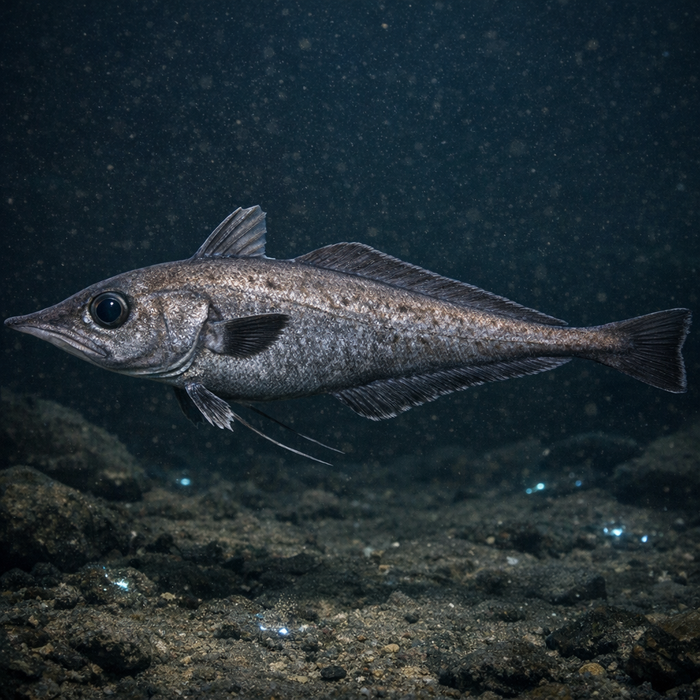
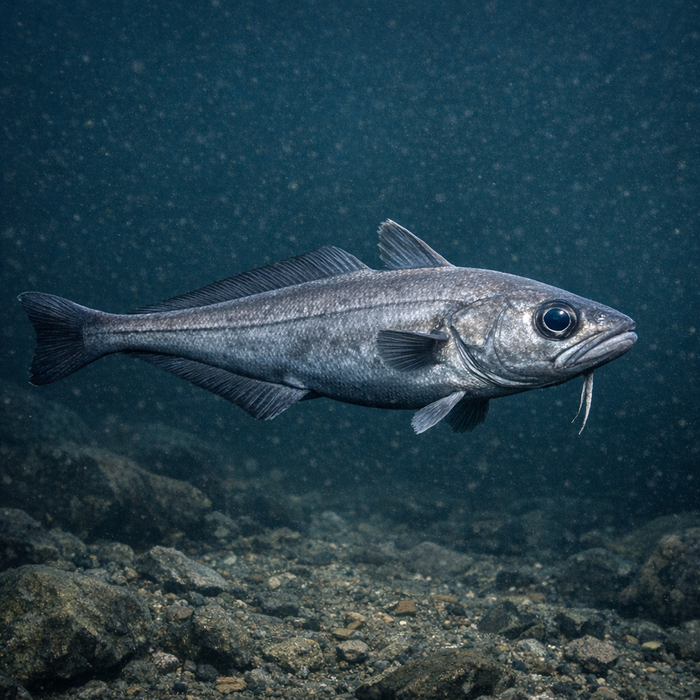
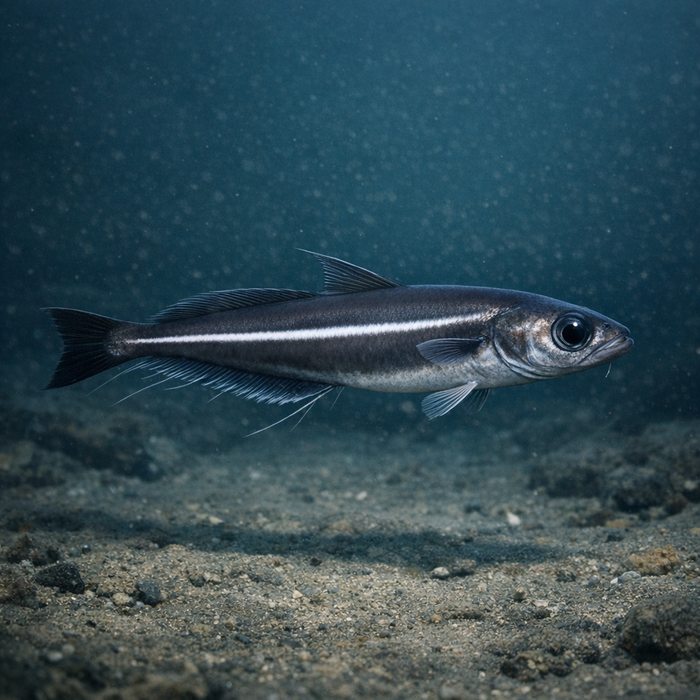
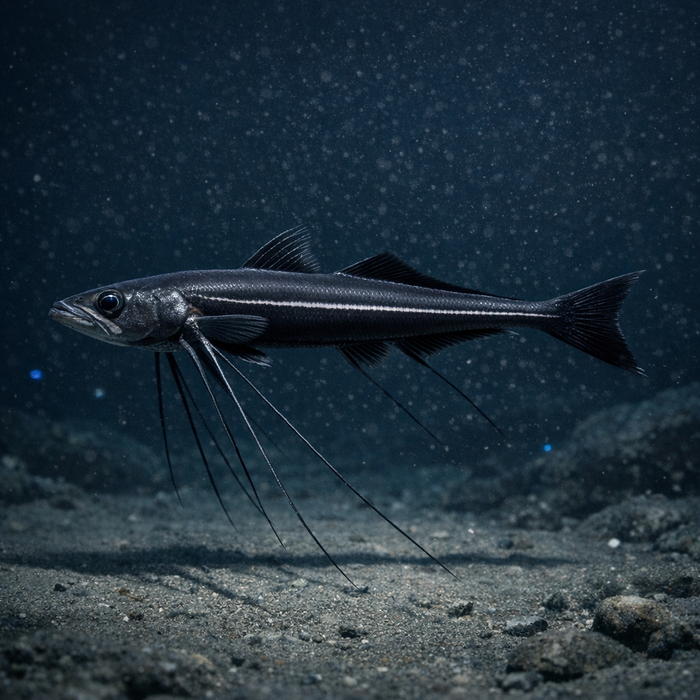
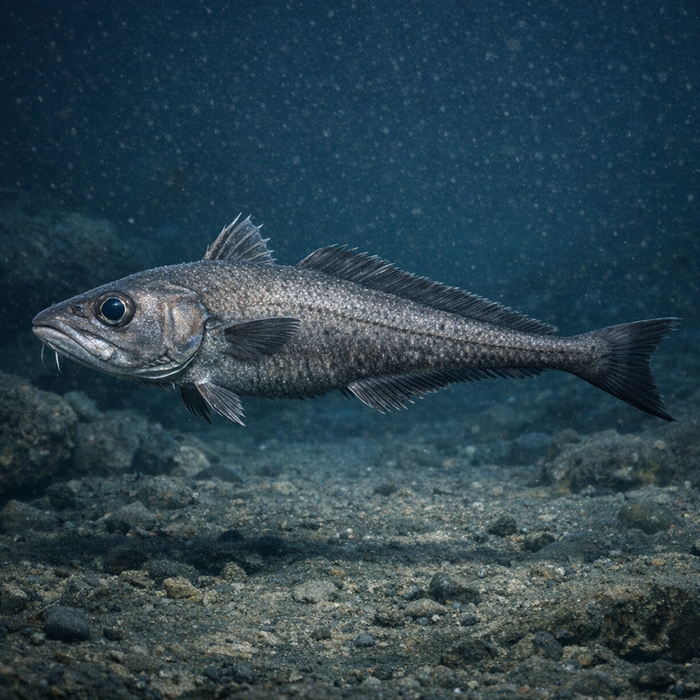
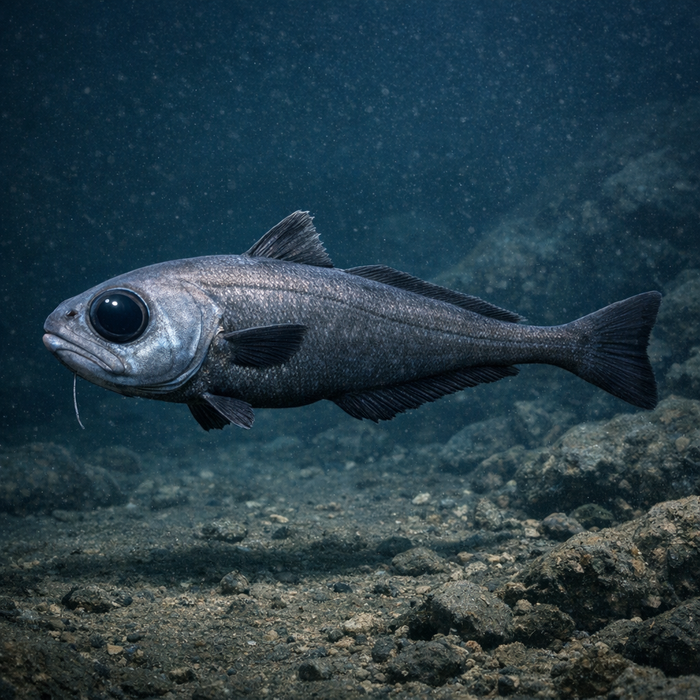
Jellynose (Guentherus altivela): A Bold, Memorable Hook LineIntroductionMeet the deep-sea weirdo with a face only a hardcore angler could love. The Jellynose is all head, all tail, and all mystery, built for a life where sunlight taps out and pressure piles on. You won't spot it cruising reefs or blitzing bait on top. This fish lurks on soft, dark bottoms far offshore, turning heads mostly when someone's deep-drop rig brings up something squishy that looks like it came from a different planet.What Makes the Jellynose Unique?Start with that namesake nose. The Jellynose packs jelly-like tissue around its snout and head, a pressure-friendly design that helps in a world where rocks crack and steel groans. Add a tiny dorsal up front and an anal fin that stretches almost the entire length of the body, giving the fish a bizarre tadpole silhouette. It's not built to sprint. It's built to hover, probe, and hoover life from the muck with a downward-angled mouth. For anglers chasing Jellynose facts, this is one of the ocean's best examples of "form follows depth."Habitat & Global RangeJellynose habitat is the deep continental slope: edges of canyons, gentle mud plains, and drop-offs beyond the normal charter circuit. Think hundreds to thousands of feet down, often well offshore. The species occurs widely in the Atlantic and adjacent waters, showing up around island arcs and continental margins. Encounters with Guentherus altivela tend to be incidental, a weird bonus fish when someone's targeting other deep dwellers like snappers, groupers, blackbelly rosefish, or alfonsino with weighted drop rigs.Behavior & TemperamentDon't expect explosive runs. At depth, this fish plays the slow-and-steady game, likely cruising just above the bottom and settling back onto the mud when the buffet slows. Large eyes are tuned for dim light. That tadpole body plan says energy conservation first, acrobatics never. It's a methodical benthic predator, not a school-wrecking marauder. If you do stick one, the fight often feels like a stubborn weight with the occasional head shake. The biggest battle is vertical: overcoming drag, current, and a few hundred fathoms of line.Ecological ImportanceDeep-slope fishes don't get the spotlight, but they glue the food web together. The Jellynose works as a mid-tier predator where few others operate, turning invertebrates and small fishes into calories for bigger mouths. It forages close to the seafloor, disturbing sediments and recycling nutrients. Even rare bycatch tells you something: when Jellynose show, you're fishing the right kind of mud and contour for a host of deepwater species that prefer the same neighborhood.Conservation & Environmental PressuresGuentherus altivela hasn't been a headline species for management, but that's part of the concern. Deepwater habitats recover slowly from heavy trawling, and many slope species mature late. Jellynose show up in deep trawl and longline bycatch; pressure waves and rapid ascent aren't kind to soft-bodied fish. Add warming and shifting currents that can reshuffle deep-water oxygen and prey layers, and you get a species that might be fine today but could tip quickly if the neighborhood gets hammered. Documentation is thin compared to shallow-water favorites, so staying cautious makes sense.The FishyAF TakeThe Jellynose isn't pretty, but it is pure deep-sea character. It's the fish that reminds you just how weird and specialized life gets when sunlight runs out. For a certain stripe of angler, Guentherus altivela is a bucket-list oddball: a squishy, alien-looking trophy from the shadow zone that proves you went deep and meant it. You won't plan a trip solely for Jellynose, but when one rides up on your spread, everyone on deck crowds the gunwale. That's the magic here. It's not about sport as much as story. If you want a fish that screams "we pushed past normal," the Jellynose delivers.