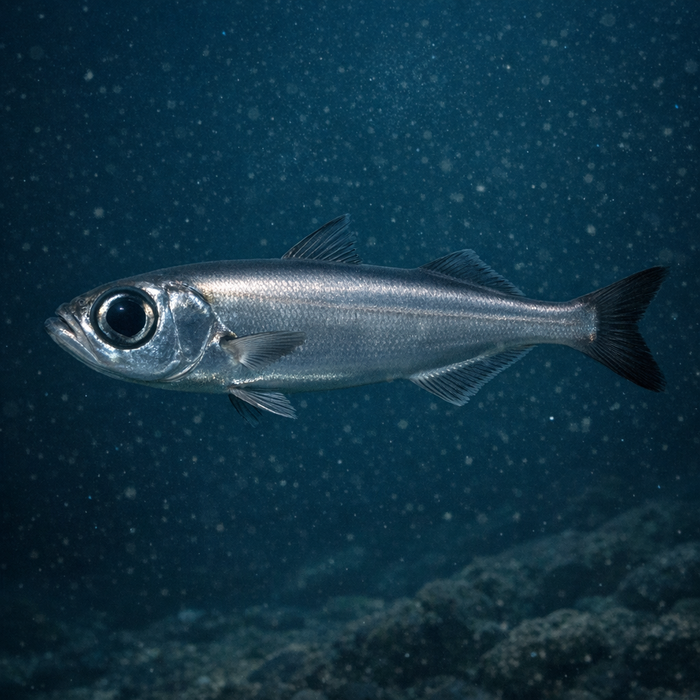
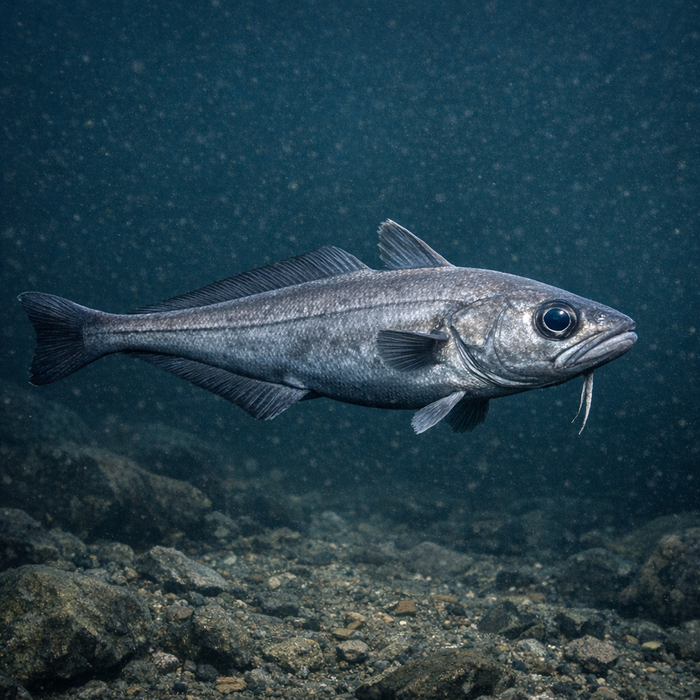
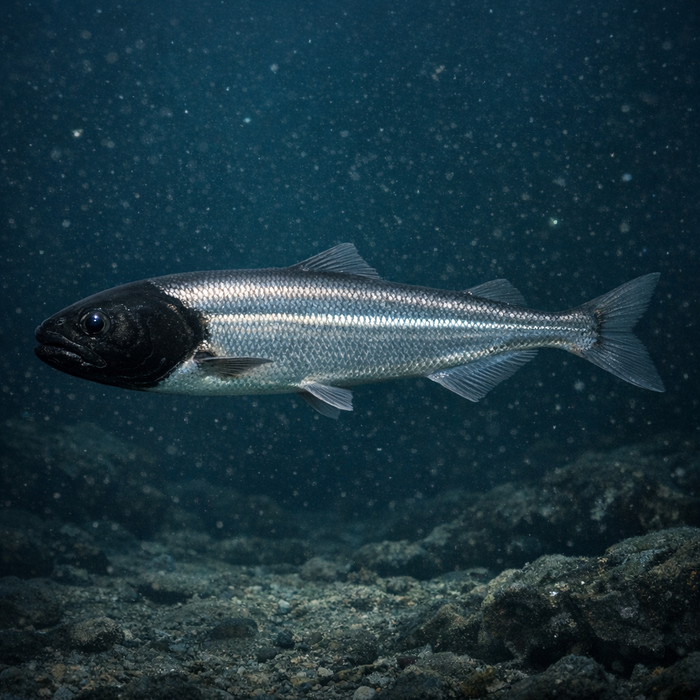
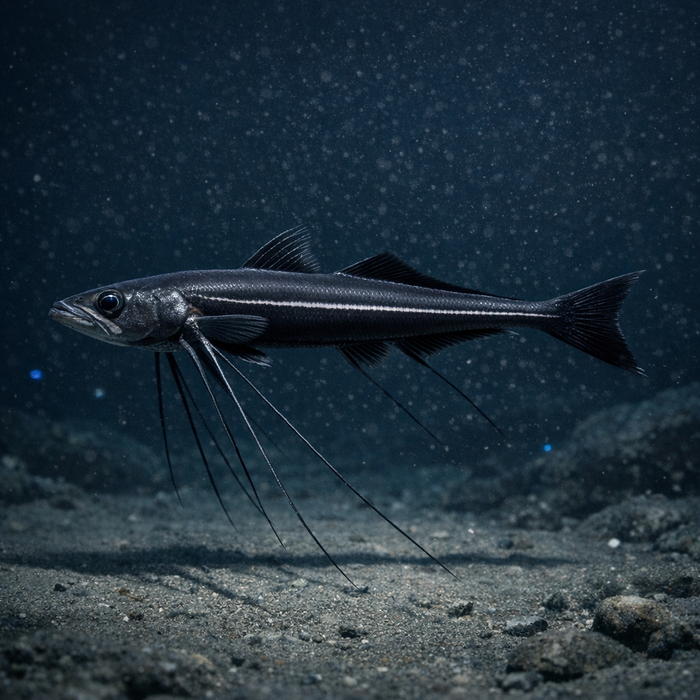
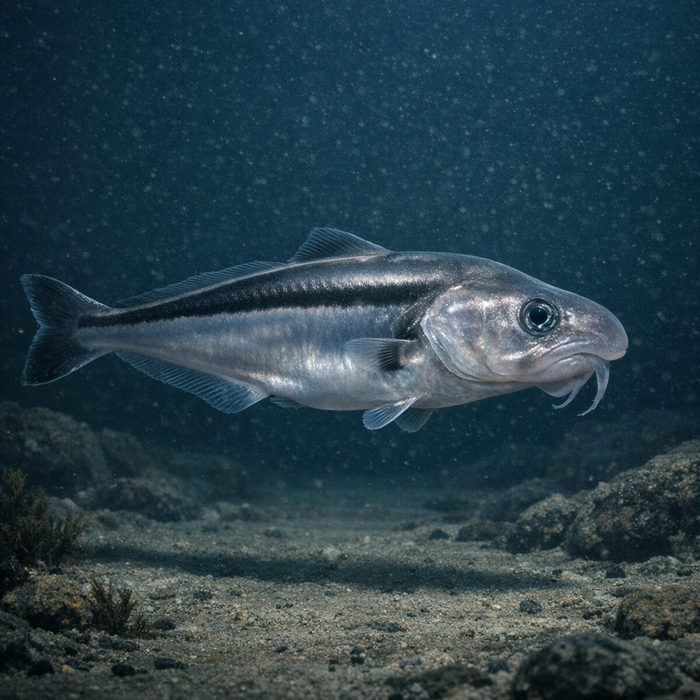
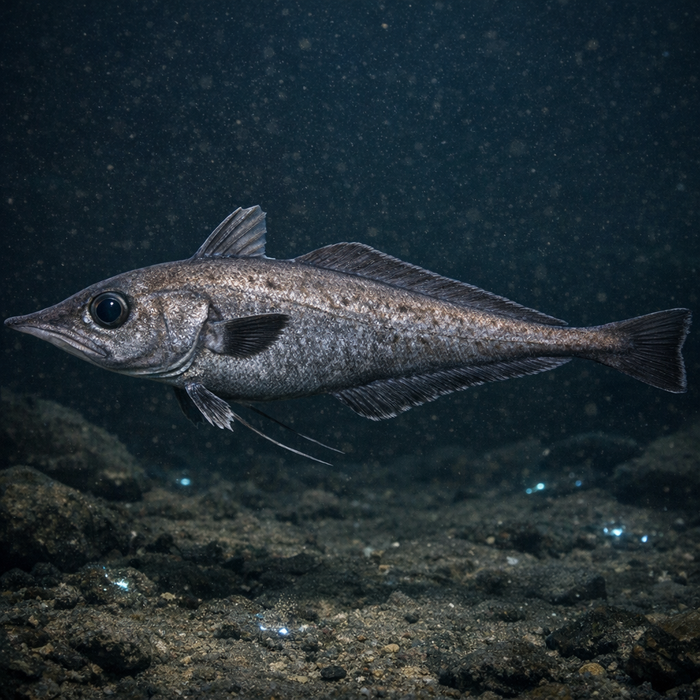
Threadfin Slickhead (Talismania bifurcata): A Deep-Drop Phantom With Oily SecretsIntroductionYou don't stumble into a threadfin slickhead. You descend to it, a thousand feet or more, past the light and the rules you know from inshore life. This is a pressure-cooked world where strange fish thrive, and the threadfin slickhead is one of the strangest. For anglers who nerd out on deep-drop bycatch and abyssal oddities, this fish is a calling card from the real offshore frontier.What Makes the Threadfin slickhead Unique?First, the head. It's literally slick-scaleless skin that looks polished, a hallmark of the slickhead clan. Second, buoyancy by chemistry: instead of a normal swim bladder, it leans on waxy lipids and low-density bones to balance in the dark. Third, the namesake thread-like fin element, a delicate filament thought to help with tactile sensing when light is useless. Wrap that together and you get a creature optimized for silence, pressure, and the long game.Habitat & Global RangeThe threadfin slickhead works the deep continental slopes and adjacent basins, typically well beyond recreational diving and ordinary charter routes. It cruises a few feet off bottom, nosing along currents and contours where morsels funnel downslope. Distribution looks broad across temperate to tropical oceans, but precise maps are fuzzy-no surprise when your zip code is 600 to 1,500 meters down. If you're hunting threadfin slickhead habitat, think canyon walls, seamount shoulders, and the shadow line where structure fades to open black.Behavior & TemperamentThis isn't a brawler. Hooked fish feel more like stubborn luggage than a speedster, partly because barotrauma and pressure shifts hit them hard. The threadfin slickhead feeds deliberately, likely tracking micro-cues in the boundary layer above bottom. It doesn't sprint to crush jigs like a tuna, yet it will inhale a strip of squid pinned low in the water column. When anglers compare deepwater personalities, the slickhead sits somewhere between a hoverer and a patient ambusher-never hurried, rarely careless.Ecological ImportanceDeep slopes are the ocean's conveyor belts, moving nutrients into the abyss, and the threadfin slickhead slots neatly into that flow. It recycles energy through slow, steady predation and becomes prey for bigger deepwater hunters. The oily, wax-rich flesh isn't a culinary prize topside, but down below it's high-octane fuel in a food web built on scarcity. In short: it's not flashy, but it's part of the machine that keeps deep ecosystems humming.Conservation & Environmental PressuresMost listings put slickheads in the "Data Deficient" bucket. That's not a pass; it's a warning label. Deep-sea species tend to be slow-growing, long-lived, and vulnerable to heavy gear. While targeted fisheries for the threadfin slickhead are rare, bycatch from deep longlines and bottom sets is a reality. Add seafloor disturbance, warming waters creeping deeper, and oxygen-minimum zones shifting around, and you've got a habitat in flux without much monitoring.The FishyAF TakeChasing a threadfin slickhead isn't about hero shots. It's about curiosity and the thrill of touching something truly abyssal. If you deep-drop for swordfish, grouper, or tilefish, you might meet one by accident-and that's a feature, not a bug. Want Threadfin slickhead facts? Here's the headline: it's proof that offshore still holds mysteries you won't solve in a weekend. Keep a camera handy, note your depth, and treat any encounter like a postcard from the edge. For anglers who crave weird, the threadfin slickhead delivers. And if you're hunting Threadfin slickhead habitat, remember this fish plays where gravity wins and patience pays-far below the noise, exactly where good secrets like to hide.