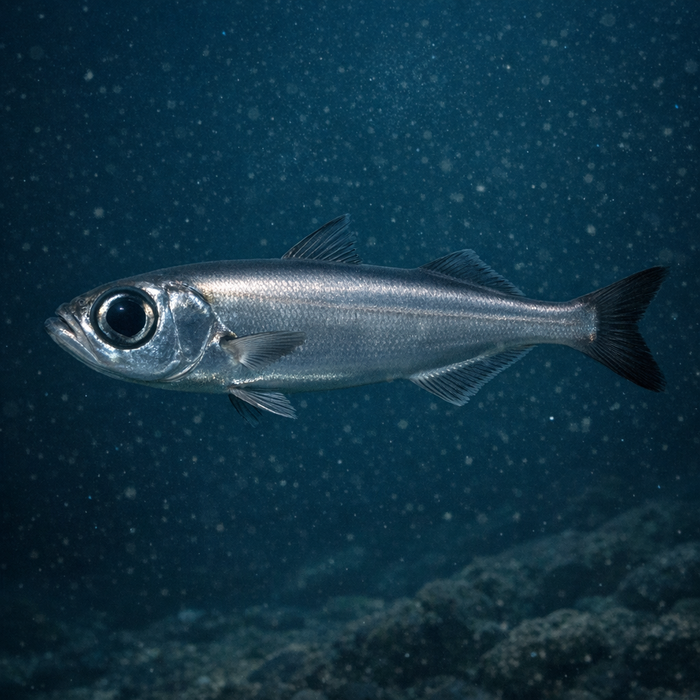
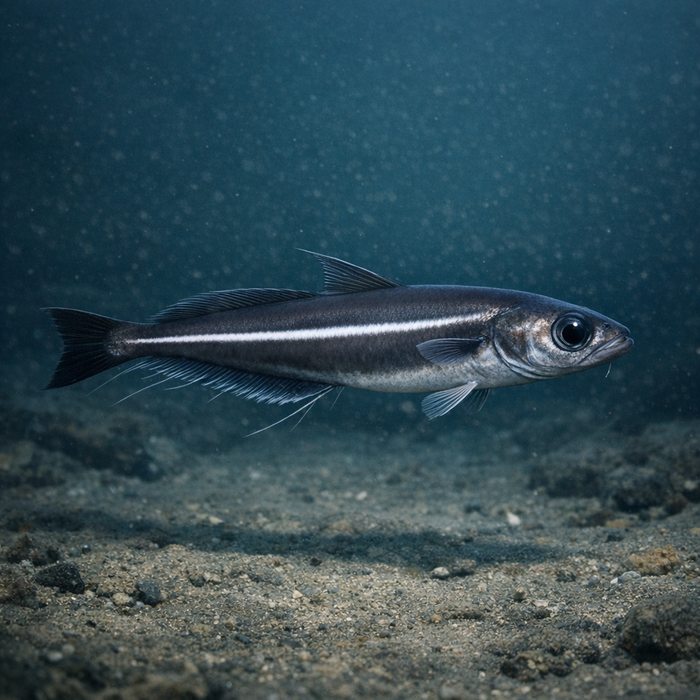
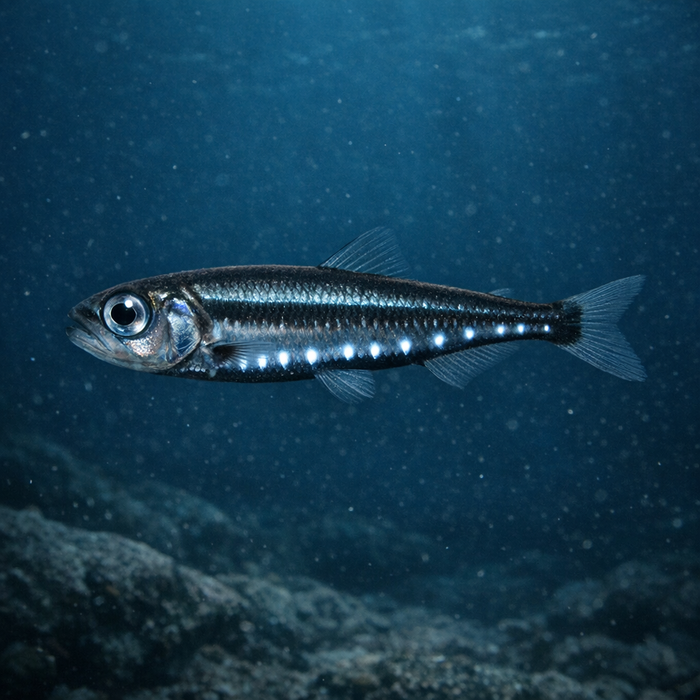
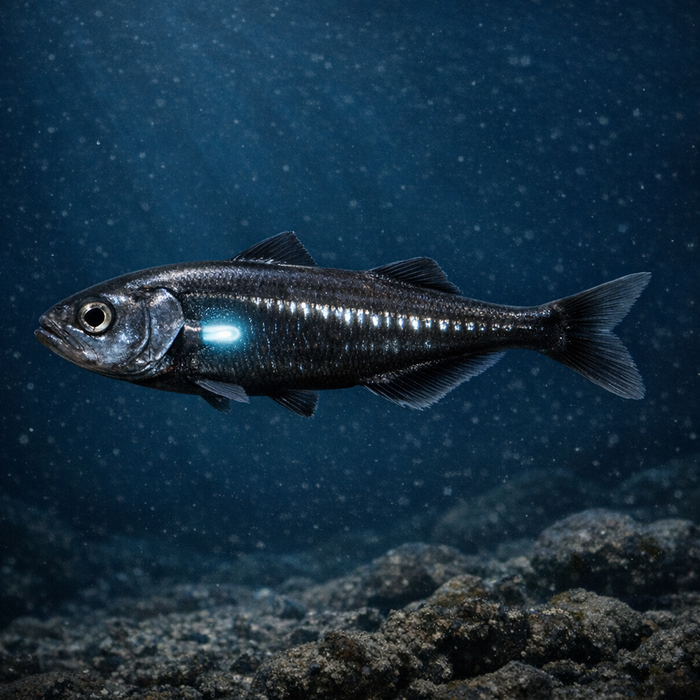
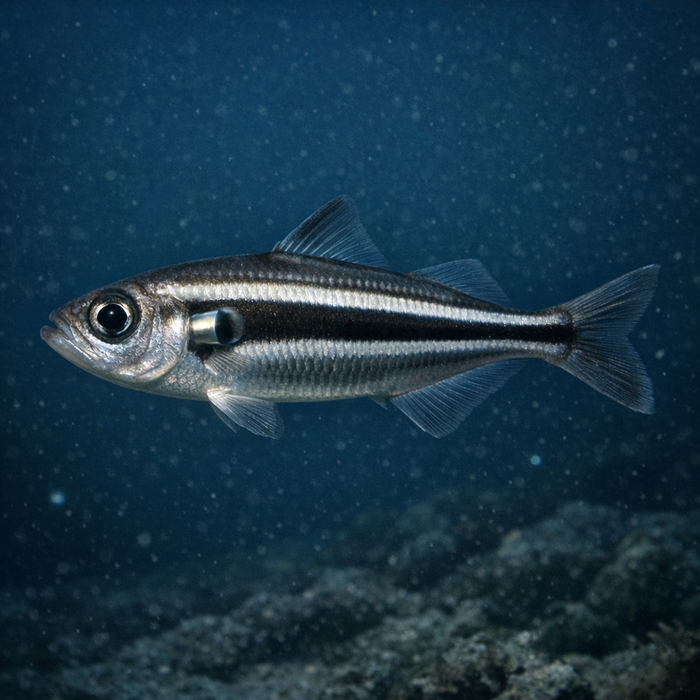
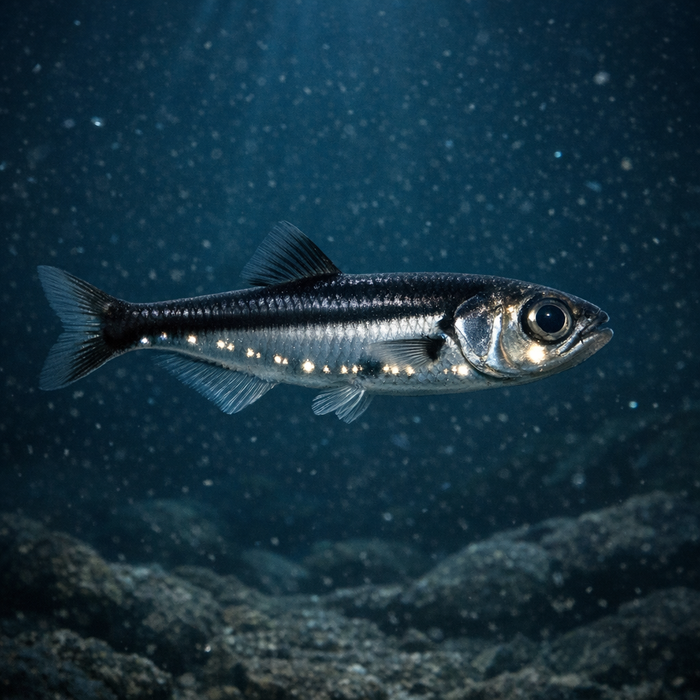
Blackhead Salmon (Narcetes stomias): The deep-sea "salmon" that isn't, built for the midnight zone.IntroductionIf your favorite color is abyss, the blackhead salmon is speaking your language. This slick, dark-headed drifter belongs to the family Alepocephalidae, not the salmon clan you're used to chasing in rivers. It prowls water so deep your fishfinder turns philosophical, living where sunlight taps out and pressure piles on. Most anglers never see one. Those who do usually weren't trying. Consider this your backstage pass to real-deal blackhead salmon facts and a no-nonsense look at the blackhead salmon habitat.What Makes the Blackhead salmon Unique?Start with the head: scaleless, smooth, and dark as a moonless night. That "slickhead" look isn't a fashion choice; it's hydrodynamic minimalism for a world where every movement costs energy. Instead of a traditional swim bladder, the blackhead salmon relies on oil-rich tissues to stay neutrally buoyant. That's crucial when you're hunting hundreds to thousands of meters down, where rapid ascent can blow a bladder like a balloon. And yes, the name is a curveball. This fish isn't a salmon at all. It's a deep-sea predator shaped like a torpedo with a mouthful of fine teeth meant for gelatinous and soft-bodied prey.Habitat & Global RangeCalling the blackhead salmon "offshore" undersells it. Picture continental slopes, submarine canyons, and the open ocean's dim middle layers, often well below 1,000 meters and diving much deeper where the food's flowing. Currents, upwellings, and the edges of deep structure set the table. The species turns up across multiple ocean basins, but trying to pin it to a weekend hotspot is like chasing shadows. Think global, then think deeper. This isn't reef life. It's the bathypelagic commuter lane.Behavior & TemperamentAt depth, everything is energy math. The blackhead salmon cruises with purpose, not panic. It isn't skittish like inshore fish hammered by traffic and tides. It's deliberate, built to roam and intercept easy calories drifting by. Despite the tough-guy name, it doesn't brawl like a tuna. Hooked fish usually feel more like stubborn luggage than a street fight. You'll get the occasional headshake, then a long, pressure-laden elevator ride punctuated by dead weight. That's normal when your quarry lives where fight or flight gets dulled by physics.Ecological ImportanceThe blackhead salmon is a middleweight in the deep-sea food web, moving energy from gelatinous zooplankton and small midwater creatures up the chain. That slick, scaleless head and oil-laden body aren't quirks; they're the toolkit for life in a cold, dark conveyor belt of drifting prey. When deep-sea predators cruise by, this fish becomes fuel in turn. The abyss isn't empty. It's a slow-motion market, and species like this keep currency flowing.Conservation & Environmental PressuresData on the blackhead salmon is thin. That's typical for deep-sea fishes, where research cruises are expensive and sample sizes tiny. What we do know: deepwater ecosystems are not immune to human reach. Expanding deep-sea trawls, longlines, cable routes, and seabed mining interests all push into the midnight zone. Climate-driven shifts in currents and oxygen layers add more uncertainty. While blackhead salmon isn't flashing on consumer radars, that doesn't make it safe. Deep-sea species tend to be slow-growing and vulnerable to disturbance. Once populations dip, they don't bounce back on a seasonal schedule.The FishyAF TakeThe blackhead salmon is peak fish-nerd bragging rights. You won't book a charter just for it, and you won't high-five over blistering runs. But as a glimpse into how wildly different ocean life can be, it's pure gold. If it shows up on your deep-drop rig, snap respectful photos, log the depth and coordinates, and maybe you've added a strange, slick gem to your personal fish story vault. There's practical value too: understanding deep dwellers like the blackhead salmon makes you sharper offshore. You start reading canyons, current seams, and bait layers like a map, which pays off on the species you do chase. In a world obsessed with hero shots, this fish is the quiet reminder that the ocean is bigger, weirder, and cooler than our highlight reels.