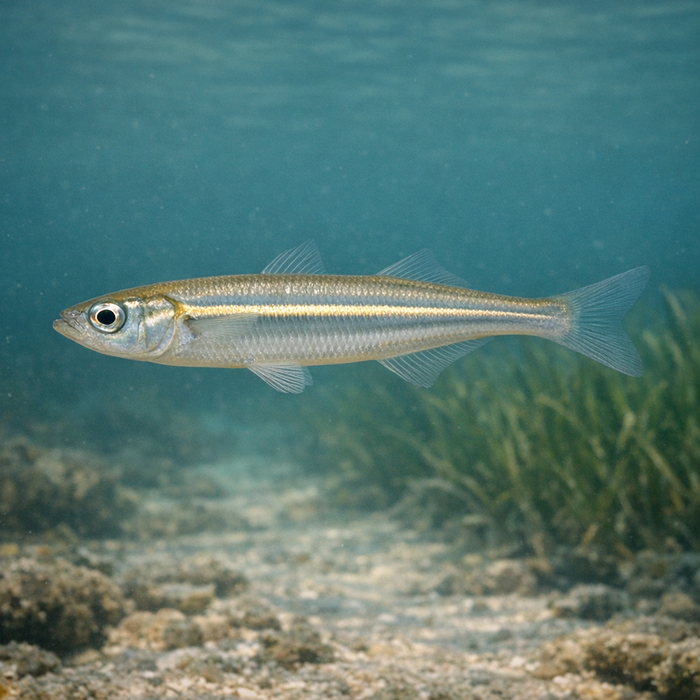
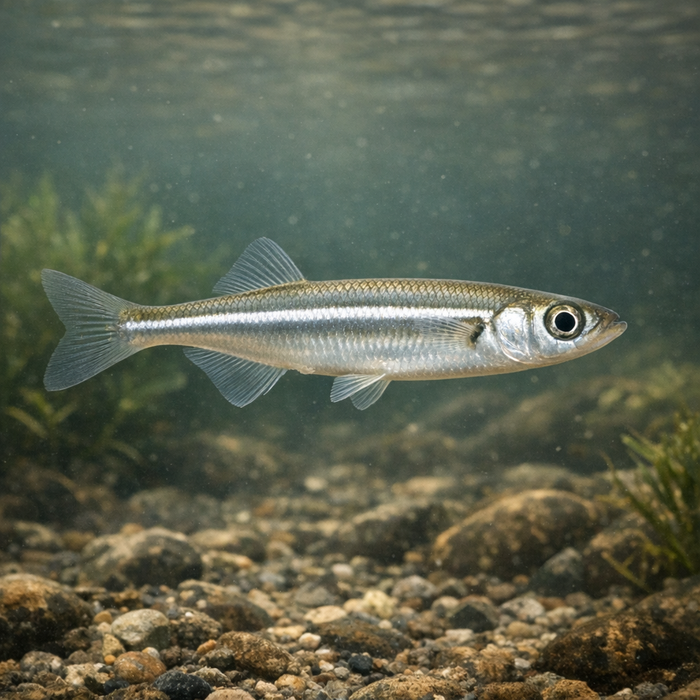
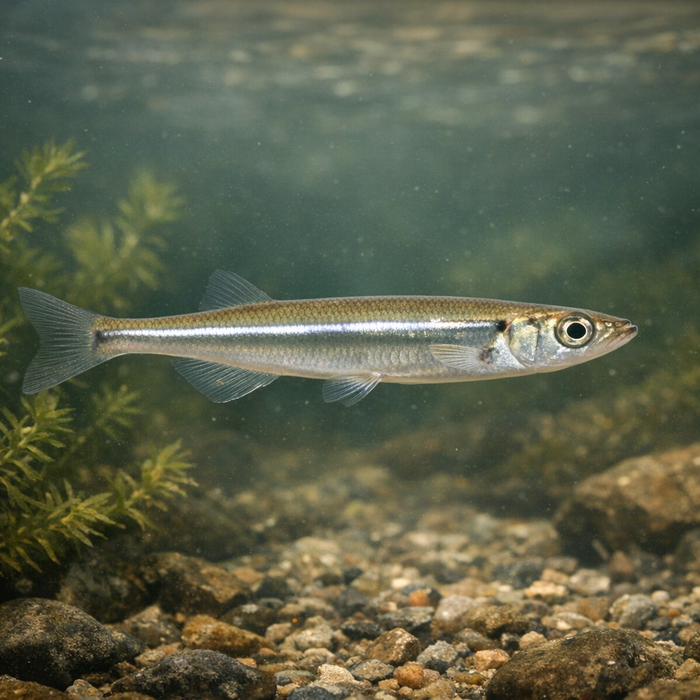
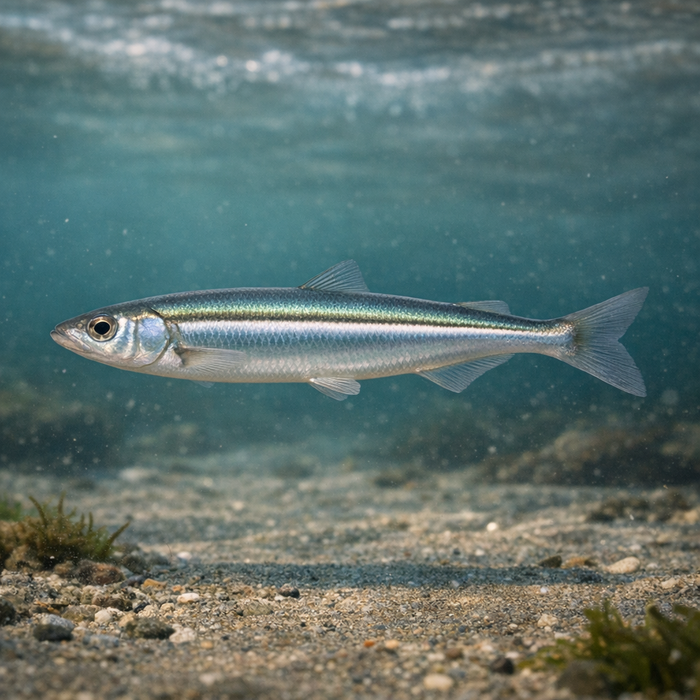
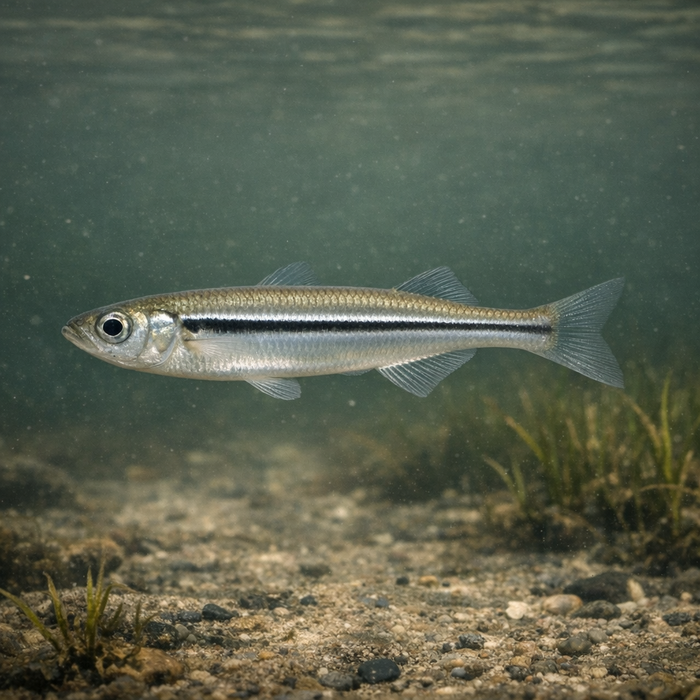
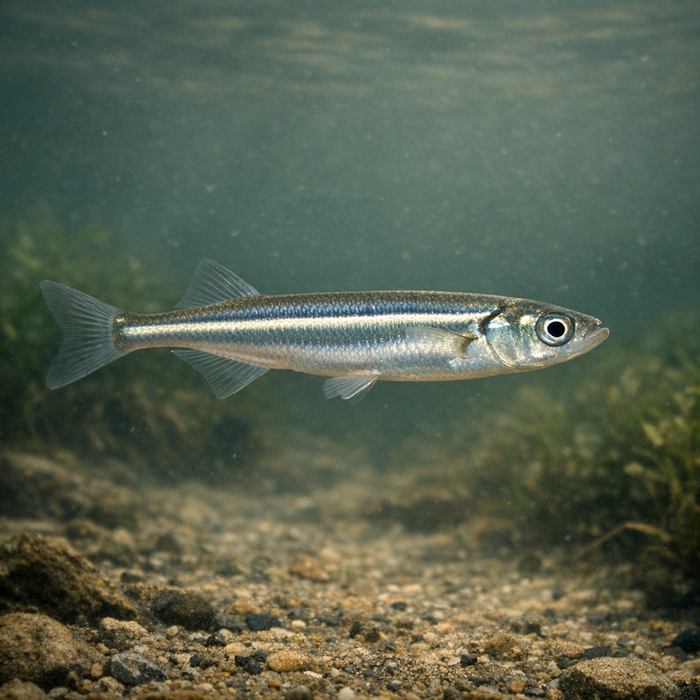
Argentinian Silverside (Odontesthes bonariensis): Chrome torpedoes with paper lips and a cult following.IntroductionThe Argentinian silverside is the little fish that stole weekends across the pampas. Sleek, silvery, and everywhere anglers hang bobbers in cool months, this species puts sheer numbers, finicky takes, and razor-sharp sensitivity into one addictive package. If you've ever watched a float twitch, slide, and then vanish with maddening subtlety, you already get the appeal. This is the pejerrey most people mean, the banner species behind countless club derbies and shoreline cookouts. If you came here for Argentinian silverside facts and real-world tactics baked into biology, you're in the right place.What Makes the Argentinian silverside Unique?Start with design. The Argentinian silverside wears a mirror-bright stripe that works like a built-in strobe, flashing through schools and helping fish hold formation in open water. Its eggs carry long filaments that cling to vegetation and even knot together into grape-like clusters, a slick strategy that anchors the next generation where conditions are best. Add a famously delicate mouth, and you've got a fish that punishes clumsy hooksets but rewards finesse like few others.Habitat & Global RangeDespite the name, the Argentinian silverside isn't a homebody. It thrives in clear lakes, manmade reservoirs, shallow pampas lagoons, and brackish estuarine edges. It rides wind lanes, feeds near the surface, and crowds the upper water column when plankton and micro-crustaceans drift in. While strongest across Argentina, Uruguay, and parts of Chile and Bolivia, the species has been widely transplanted for food and sport. If you're scouting Argentinian silverside habitat, look for moderately cool waters with plankton bloom potential, sparse weeds, and long, breezy shorelines that concentrate food.Behavior & TemperamentSchooling is the entire playbook. The Argentinian silverside gathers in big, nervous packs that ghost just under the chop. They're sight feeders, sharp on movement, and notorious for nipping baits with surgical precision. Low-light windows can be electric. So can post-front slick-offs when bugs and zooplankton hover high. Short strikes are part of the deal; so are runaway bites when a pod decides to chew. They're not bulldogs, but on ultralight gear those darting runs and headshakes feel alive.Ecological ImportanceThink of the Argentinian silverside as a shiny conveyor belt moving energy up the ladder. It converts plankton and tiny invertebrates into premium forage for dorado, trout, and big perch-like species. Stocking programs lean on that efficiency, which is why this fish underpins both sport and commercial harvest in many waters. It's a keystone snack that keeps predators honest and weekend grills busy.Conservation & Environmental PressuresThis species is generally resilient, but it's not immune. Shallow lagoons swing hard with droughts, nutrient spikes, and temperature extremes. Habitat simplification and overharvest around spawning periods can kneecap year-classes. Introductions also cut both ways: great for local fisheries when done smartly, messy when they outcompete natives. Monitoring effort, seasonal protections, and sensible harvest keep the engine running.The FishyAF TakeThe Argentinian silverside is proof that small fish can deliver big-time obsession. It's accessible, visual, and just technical enough to keep you honest. When conditions align, the bite feels endless. When they don't, you'll blame knots, hooks, and the wind like everyone else. Pack ultralight gear, get your float depth right, and let the school come to you. This is the chrome-thin line between easy and infuriating, and that's exactly why we love it.