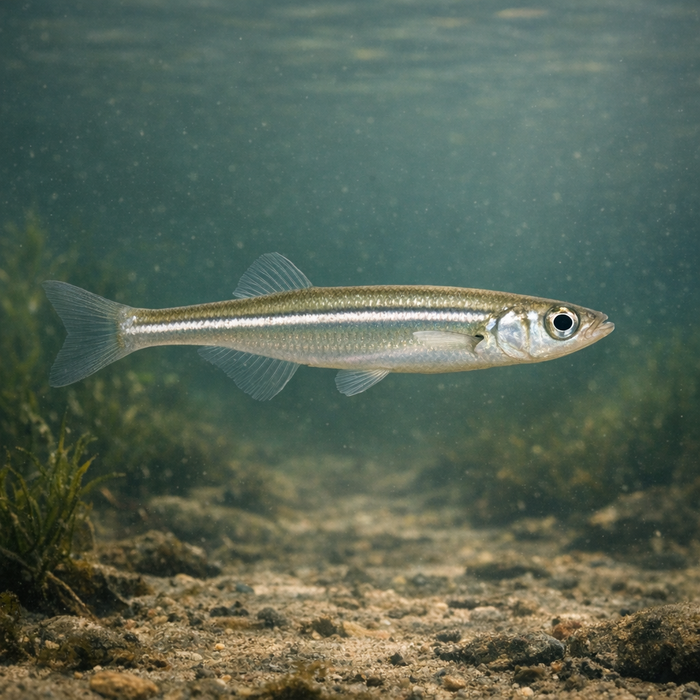
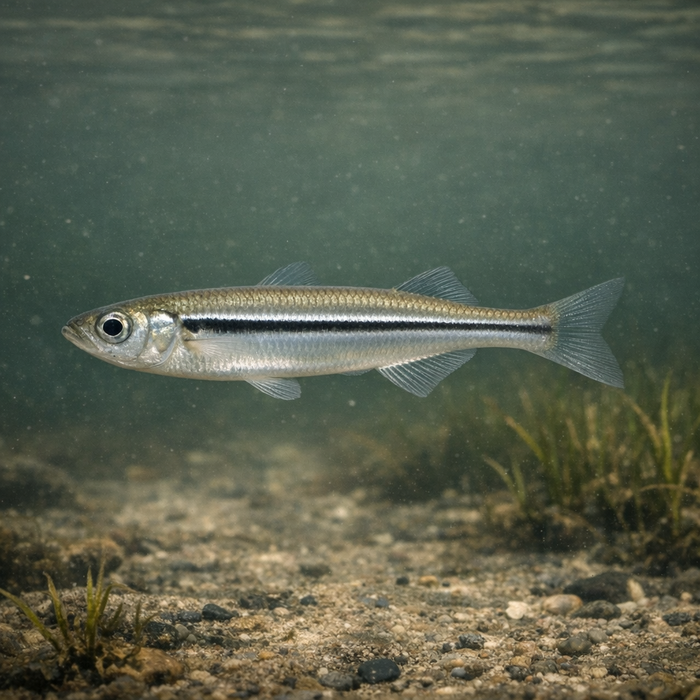
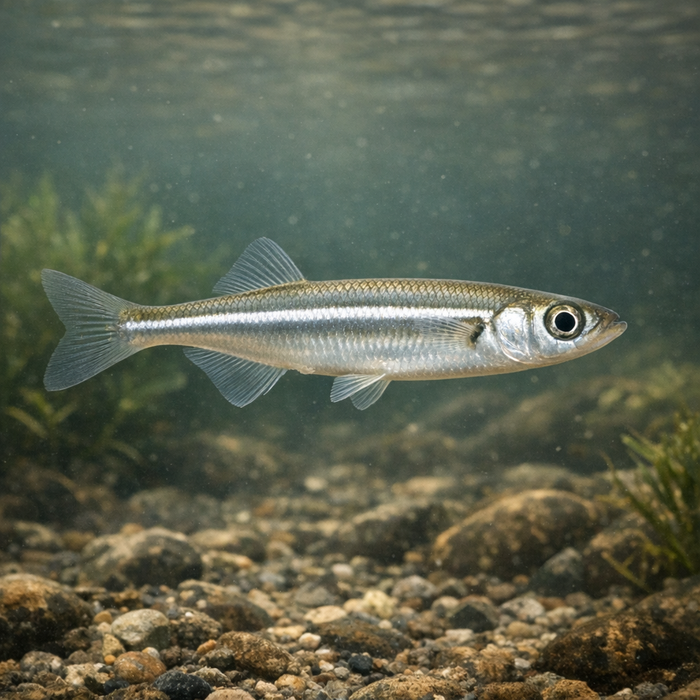
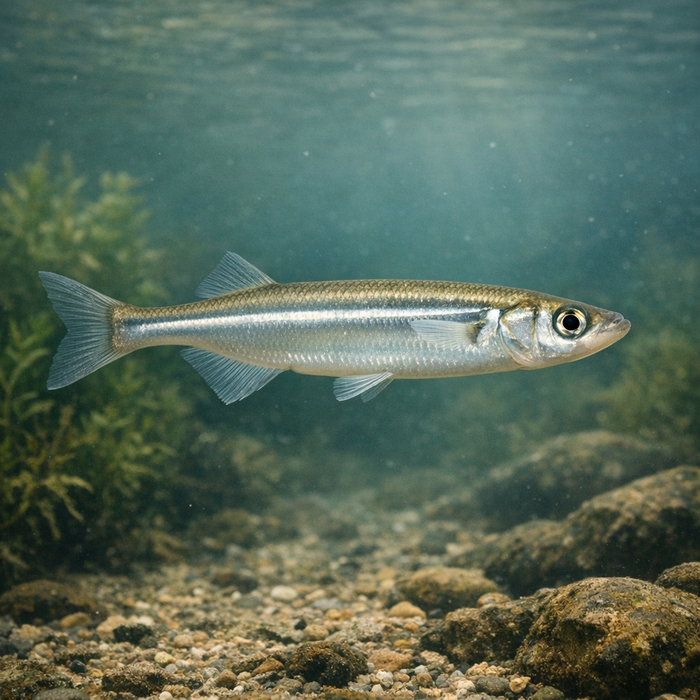
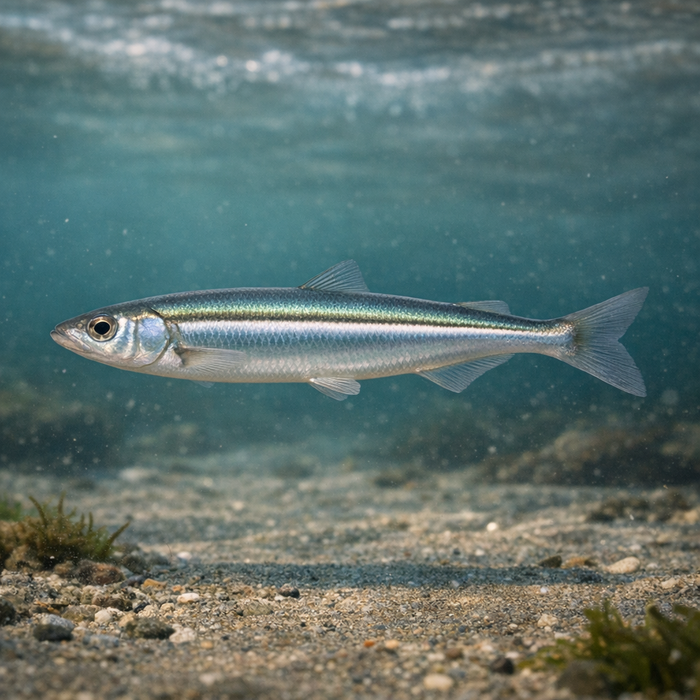
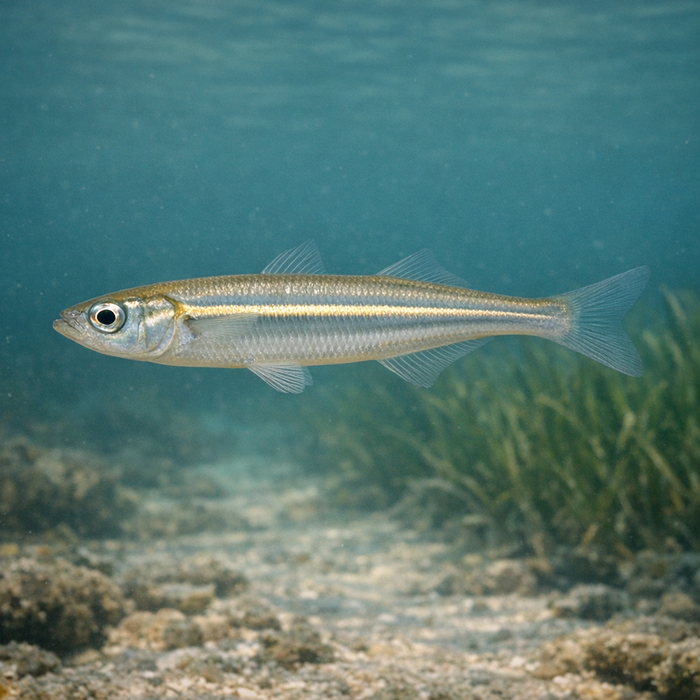
Brook silverside (Labidesthes sicculus): A Bold, Memorable Hook LineIntroductionThe brook silverside is the glittering confetti of North American freshwater, tiny torpedoes slicing the top inch of water like they own the place. You've probably seen that flashy ribbon along a riprap bank at dusk and never given it a name. That's the brook silverside, a bait-sized speedster with a beak-like snout, bug-nabbing precision, and zero interest in drama. Consider this your stash of Brook silverside facts, tuned for anglers who like the details tight and useful.What Makes the Brook silverside Unique?Two signatures define this species: surface obsession and surgical hardware. The brook silverside runs an upturned, almost needle-nosed jaw for sipping insects that hit the film. Pair that with oversized eyes and you've got a crepuscular sniper built for low-angle light. The body is translucent with a mirror stripe, a living strobe that keeps the school trained and reactive. They're also batch spawners whose sticky, filamented eggs glue to vegetation and brush. That clever nursery strategy helps more babies make it past the plankton blender.Habitat & Global RangeThink clean, clear, and calm. Brook silverside habitat trends toward transparent lakes, backwater coves, and gentle creeks where light penetration and visibility stay high. They prowl the upper few inches, especially along weedlines, docks, and rocky banks. You'll meet them across the Great Lakes and much of the Midwest into the Southeast, with strongholds in reservoirs that keep clarity decent and cover handy. In stained or turbulent water they fade out fast; this species isn't built for mud.Behavior & TemperamentThe brook silverside is a surface schooler with flight-reflex wiring. At a hint of pressure they sheet sideways and vanish, then reunite a few yards down the bank. Dusk and dawn are prime, but throw a dock light into the mix and you'll see the water turn metallic. They feed mostly on small insects and zooplankton, picking targets with quick, upward darts. Aggression is low, precision is high, and the strike window is short. Hook one and the fight is a jittery zip more than a brawl.Ecological ImportanceThis fish is a walking buffet ticket for bass, walleye, crappie, and anything else with a mouth bigger than a thimble. The brook silverside converts insect energy into premium forage and helps channel productivity from the surface down the food chain. That shiny stripe also makes them excellent herders for predators; a thrashing school of silversides telegraphs panic, stacking bait and inviting ambushes. They're canaries for water quality, too. When clarity tanks or shorelines get chewed up, silversides often disappear first.Conservation & Environmental PressuresOverall, the species sits fine at a broad scale, but it is fussy. Increased turbidity, shoreline hardening without vegetation, and nutrient-fueled algae blooms can kick them out of otherwise big, fishy waters. Invasive predators and planktivores can complicate the picture, pinching food supply or simply gulping more of them. Because so much of the action is at the surface, even subtle oil films or suspended silt can mess with feeding efficiency. No headline crisis, but a thousand small cuts matter.The FishyAF TakeThe brook silverside is proof that not every memorable fish needs shoulders. As microfishing grows up, this species is ground zero for honing stealth, timing, and presentation discipline. Nail those and big-fish game improves, too. If you want a crash course in subtle, try threading a fleck of worm on a size 20 hook and dropping it into a jittery school under a marina light. Miss the moment and they ghost you. Catch the tempo and suddenly the surface reads like sheet music. That's the brook silverside: simple, sharp, and surprisingly addictive. If you were searching for Brook silverside habitat intel, now you know where to look-top inch, clear water, and just enough structure to keep the silver ribbon tight.