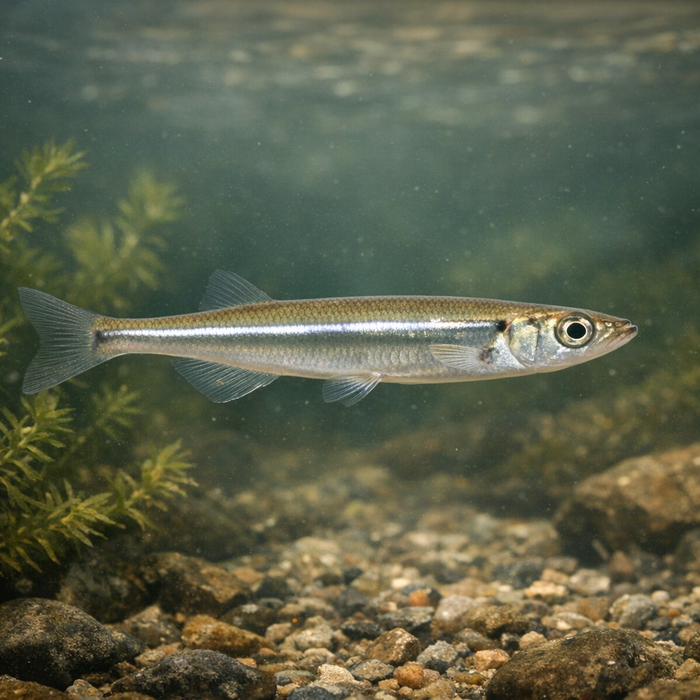
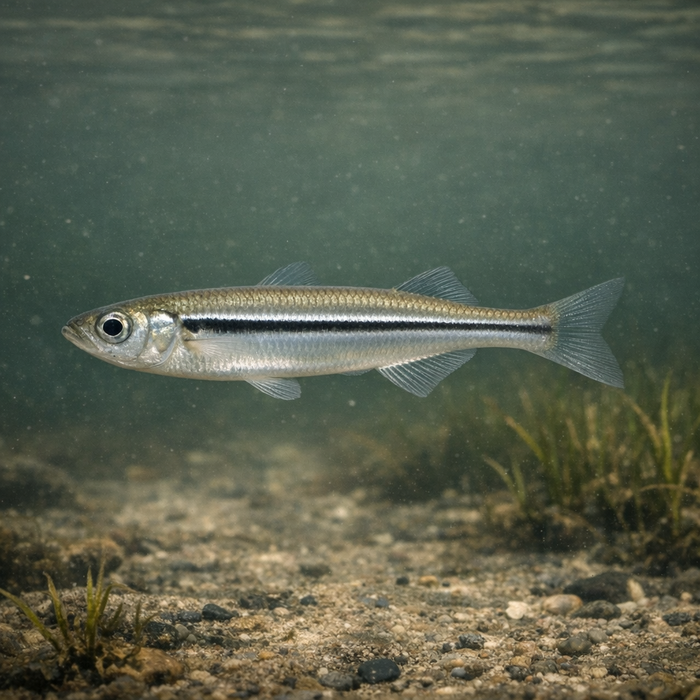
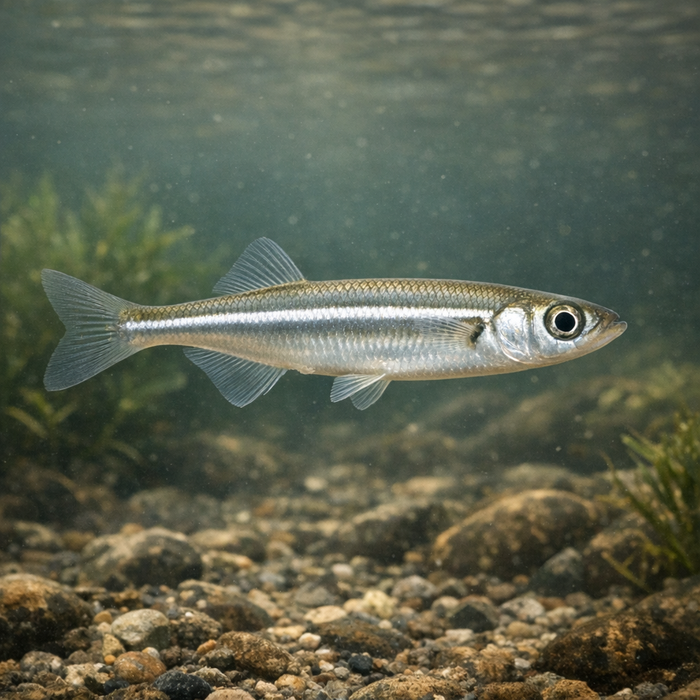
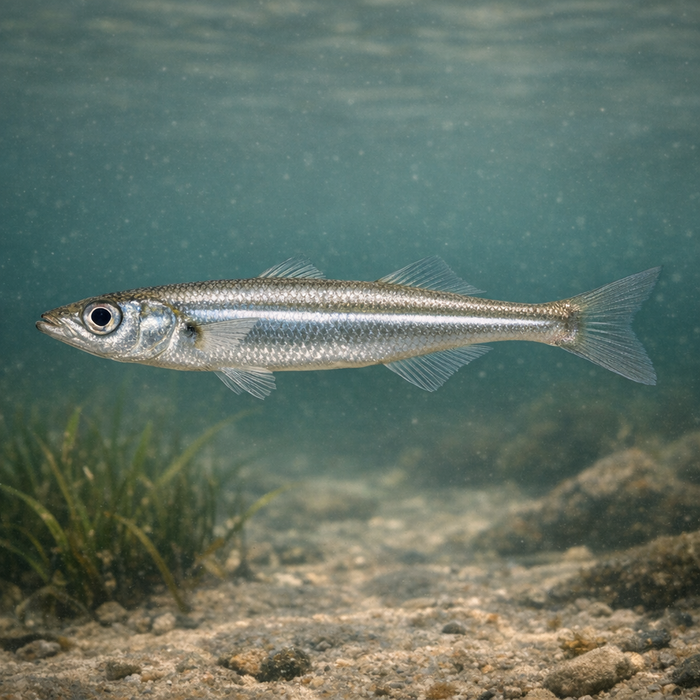
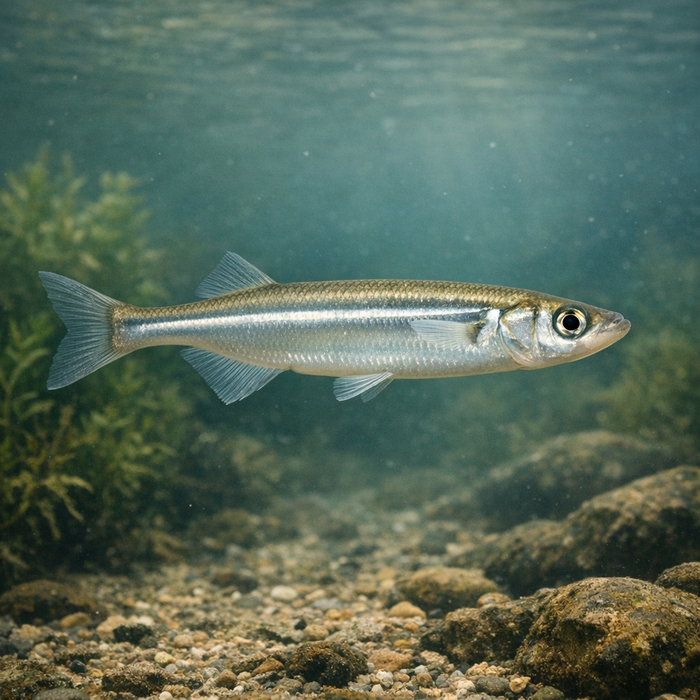
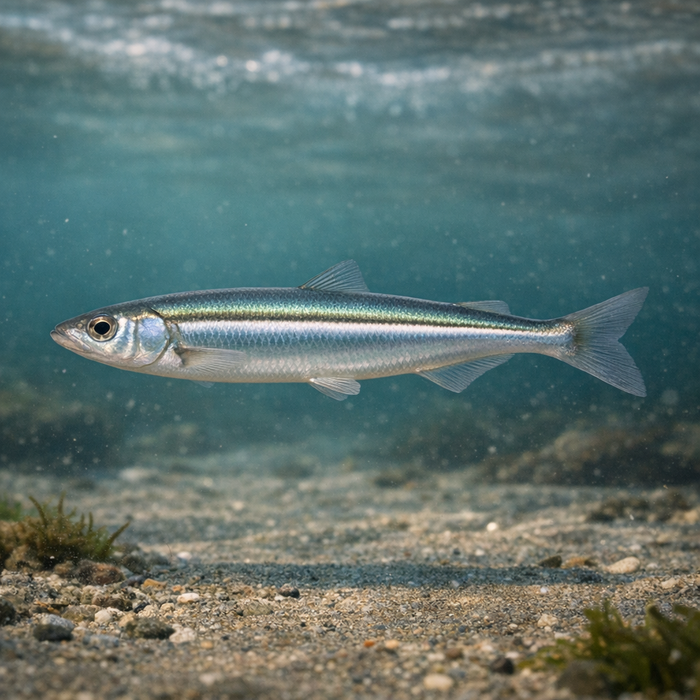
Waccamaw Silverside (Menidia extensa): A one-lake specialist with a serious sparkle factorIntroductionThe Waccamaw silverside is proof that small fish can have huge personality. Endemic to a single North Carolina lake, it crowds the shoreline in glittering schools, vanishing and reappearing like spilled mercury. If you're into microfishing or just chasing weird, hyper-local species, the Waccamaw silverside belongs on your life list.What Makes the Waccamaw silverside Unique?First, it's a true endemic. The Waccamaw silverside naturally occurs only in Lake Waccamaw, a rare Carolina Bay lake buffered by limestone outcrops. That geology matters: the lake stays clearer and less acidic than its neighbors, creating a niche this fish absolutely owns. Second, the species is built for surface life. An upturned micro-mouth, big eyes, and a bold silver stripe make it a precise hunter of tiny prey in the film. Third, it's a short-lived sprinter. Many adults don't see a second birthday, so the whole population runs on tight seasonal rhythms - wild to watch during peak schooling.Habitat & Global Range"Global range" is a flex here. The Waccamaw silverside's world is Lake Waccamaw and connected waters in its immediate vicinity. Think clear, sandy shallows; gently sloping beaches; and pier shadows that concentrate plankton and protection. The Waccamaw silverside habitat is unusually stable for the Southeast thanks to that limestone buffering, so visibility and alkalinity stay friendlier than typical blackwater lakes. You'll see them stacked in the top few feet, especially along wind-blown edges, around vegetation patches, and under dock lights at night.Behavior & TemperamentThis fish is the definition of schooling. Hundreds to thousands pack into shimmering bands, pulsing along the shoreline and pulsing again when a predator twitches nearby. They're quick, twitchy feeders with short attention spans: present something tiny, and they'll mob it, then ghost out if spooked. During spawning, shorelines can look alive as fish rush in to stick adhesive eggs to shells and plants. Cold snaps push them a bit deeper and slower, but daylight warmth or artificial lights flip the switch back to feed.Ecological ImportanceFor their size, Waccamaw silversides are energy rockets. They hoover zooplankton and micro-invertebrates, then cash out that protein to bigger predators. When the schools fire, everything on the food chain looks sharper. Their abundance and sensitivity to water chemistry also make them a clean read on lake health - a living indicator panel for this rare limestone system. If the Waccamaw silverside stumbles, something in the lake's balance probably did first.Conservation & Environmental PressuresA one-lake species wins on character and loses on wiggle room. Shoreline development, nutrient spikes, invasive species, and outflow changes all scale harder when your universe is one bowl. Water clarity and chemistry are key for this fish, so anything that muddies or acidifies the lake can dent recruitment fast. Formal listings and assessments can vary, but any angler who appreciates oddball natives should treat the Waccamaw silverside like a treasure. Keep handling gentle and sessions short, and watch your footprints around beaches and vegetation where eggs stick.The FishyAF TakeCall it niche, call it nerdy, but the Waccamaw silverside is A-list microfishing. It's got rarity without a plane ticket, photogenic schools, and a habitat story cooler than most so-called trophy fish. If you wanted Waccamaw silverside facts for your next dock-night debate: it's one-lake endemic, surface-obsessed, and fueled by limestone geology. Bring a featherweight setup, a speck of bait, and a flashlight. When the lake turns to chrome under the lights, you'll get it - tiny fish, big grin. That's the Waccamaw silverside in a nutshell, and yes, you'll want another cast.