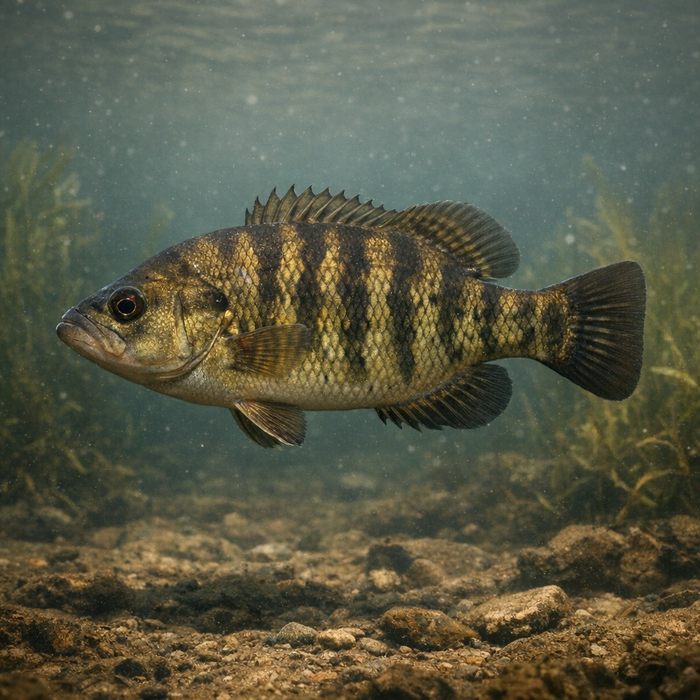
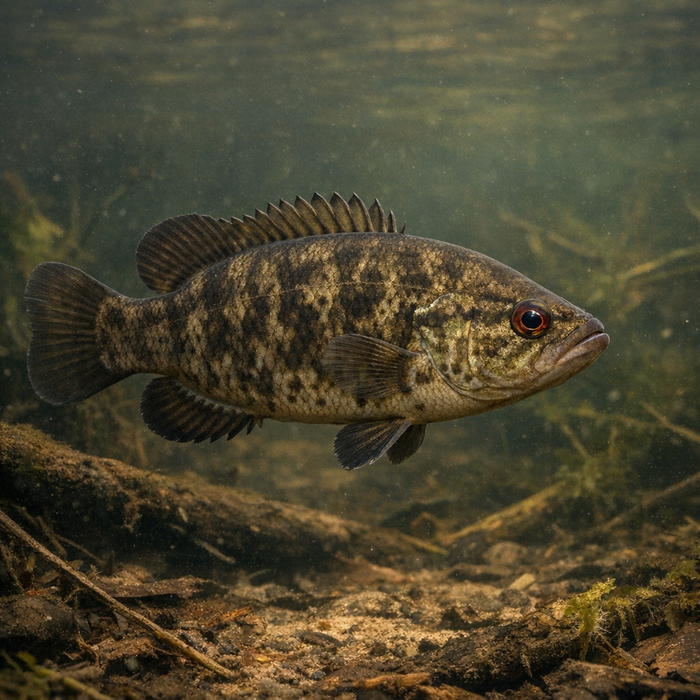
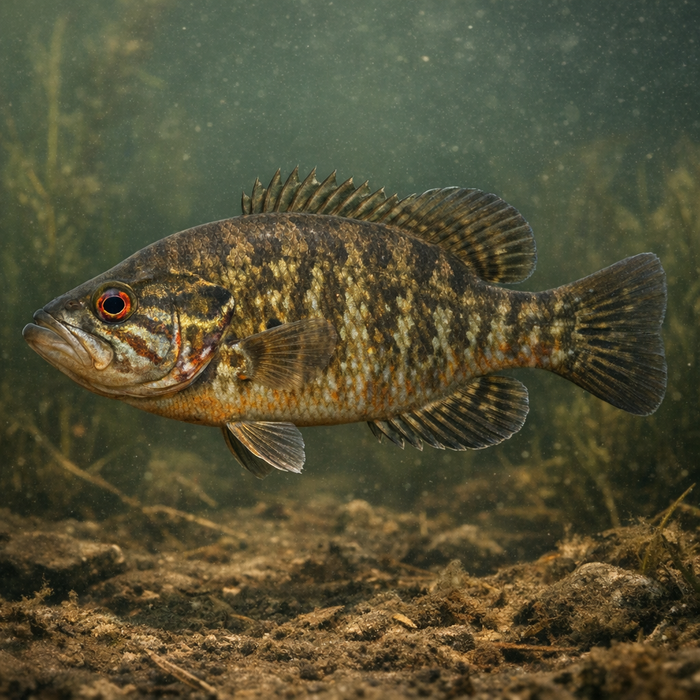
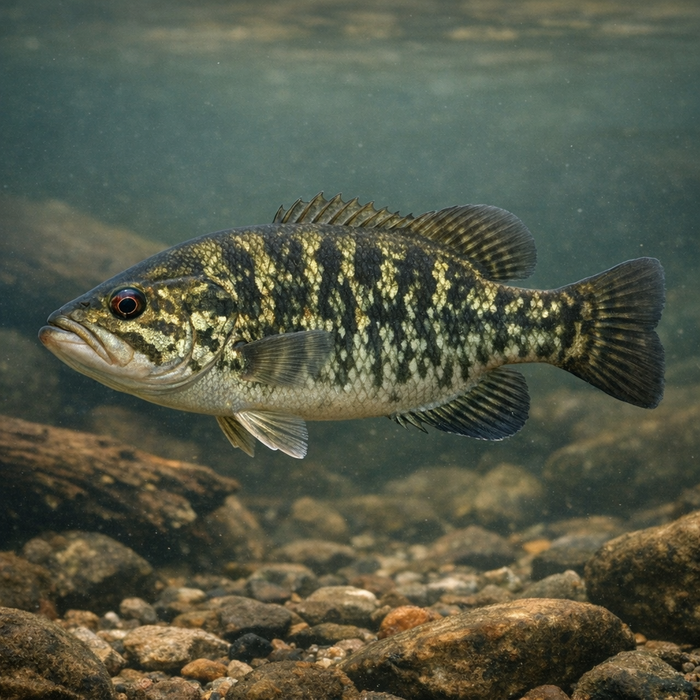
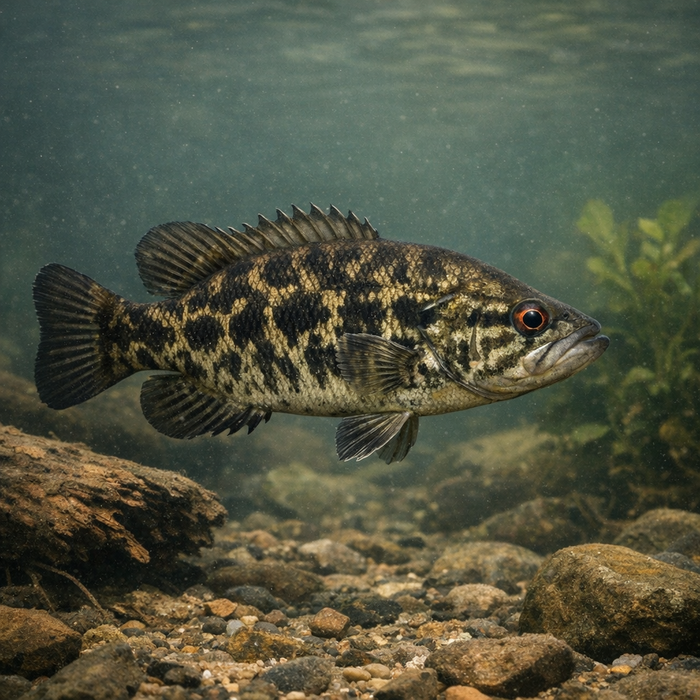
Bantam Sunfish (Lepomis symmetricus): The tiny swamp ninja of the sunfish worldIntroductionThe bantam sunfish is proof that small fish can have big personality. This little centrarchid haunts quiet, weedy backwaters that most anglers power past on their way to bass water. That's a mistake. Slip a micro bait into a pocket of matted cover and the bantam sunfish materializes like a leaf with an attitude. If you're here for Bantam sunfish facts or curious about Bantam sunfish habitat, you're in the right sliver of the swamp.What Makes the Bantam sunfish Unique?First, size. The bantam sunfish is one of North America's smallest Lepomis, with adults often topping out around four inches. Second, stealth. Their mottled, leaf-litter camo and tiny mouth make them notorious nibblers that demand micro presentations. Third, they're homebodies. Instead of cruising open banks like bluegill, they settle into dense vegetation, root tangles, and oxbow backwaters that feel more jungle than lake. Put simply, they're a specialist in places most anglers consider unfishable.Habitat & Global RangeBantam sunfish favor shallow, slow water with heavy vegetation: swamps, oxbows, sloughs, and quiet river margins. Mud bottoms, leaf piles, and tannin-stained water suit them perfectly. Across much of the lower Mississippi and Gulf Coastal Plain, you'll find their best real estate tucked off the main current in backwaters that dry up in drought years and explode with bugs in wet ones. Think knee-deep edges, beaver runs, cut banks with root wads, and sun-dappled pockets under lily pads. The Bantam sunfish thrives where the water is still enough to gather pollen and the bugs are thick.Behavior & TemperamentThis species is a stealth feeder, picking at midge larvae, micro-crustaceans, and other bite-sized invertebrates. Expect light taps, not freight-train hits. Males build and guard tiny saucer nests in protected pockets, often tucked into vegetation rather than big, obvious colonies. They aren't marathon fighters, but on 2-pound line a bantam can still wiggle for its dignity. They relate tightly to cover year-round, nudging slightly shallower in the spawn and sliding to the nearest shade or deeper edge when summer turns the shallows into bathwater.Ecological ImportanceSmall does not mean insignificant. Bantam sunfish are part of an energy pipeline that turns insect biomass into fish biomass for the whole swamp. They graze on larvae and micro-crustaceans, get eaten by larger sunfish, bass, and wading birds, and help stabilize food webs in habitats that boom and bust with seasonal floods. In floodplain systems, these tiny centrarchids are like pocket change scattered everywhere: individually small, collectively valuable.Conservation & Environmental PressuresThe Bantam sunfish is generally considered stable at broad scales, but it's sensitive to habitat changes. Channelization, vegetation removal, prolonged drought, or hard-timed floods can bulldoze the quiet pockets they need. Because their world is a patchwork of small, shallow wetlands, they're vulnerable when those pockets get drained, silted in, or cut off from seasonal flow. Many states keep a cautious eye on them even if they aren't listed as threatened. Good news: protect backwaters, slow the sediment, and the bantams usually answer the roll call.The FishyAF TakeIf your plan is to swing big for trophies, the Bantam sunfish won't punch your card. But if you like solving puzzles in weed-choked corners, this fish delivers microscopic finesse at its finest. Thread half a red worm on a size 12, pin it under a micro float, and slide it into the salad. When the float twitches sideways, that's your bantam. It's not about bragging rights; it's about discovering life in the margins. The Bantam sunfish rewards anglers who slow down, read quiet water, and appreciate a fish that could hide under a leaf and still own the spot. Small canvas, big art.