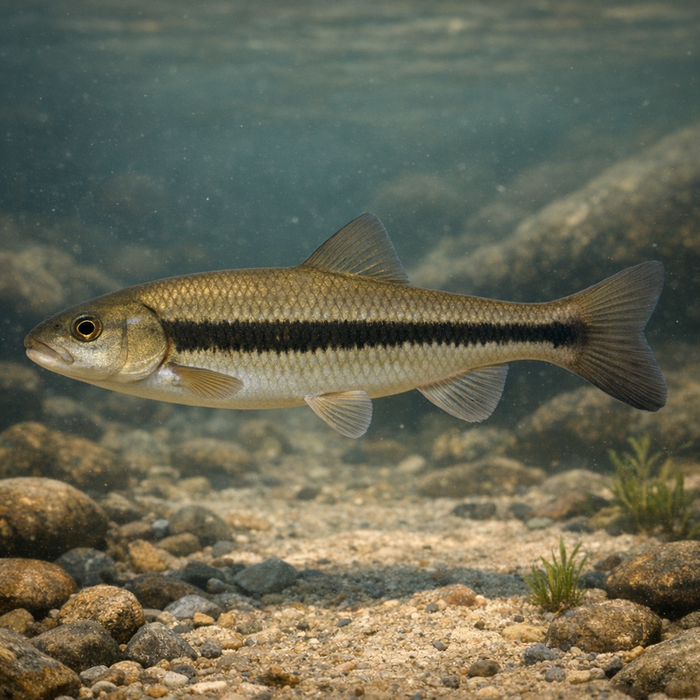
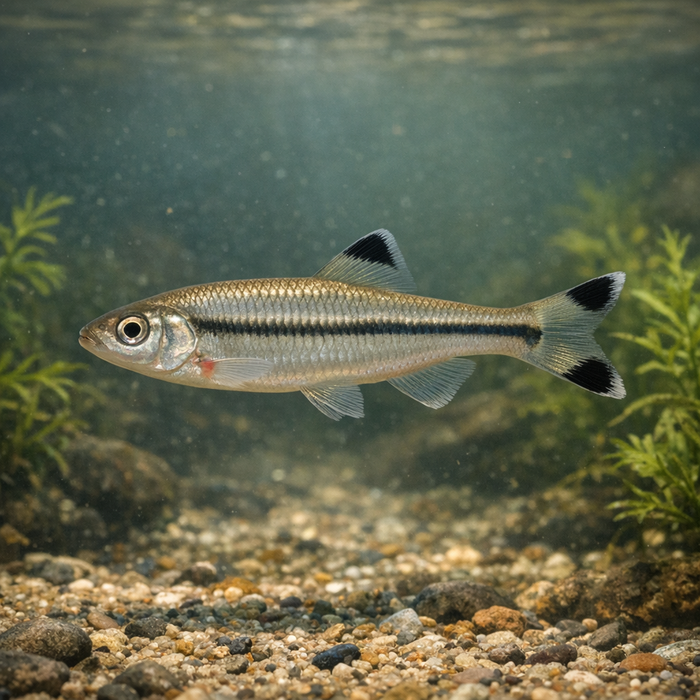
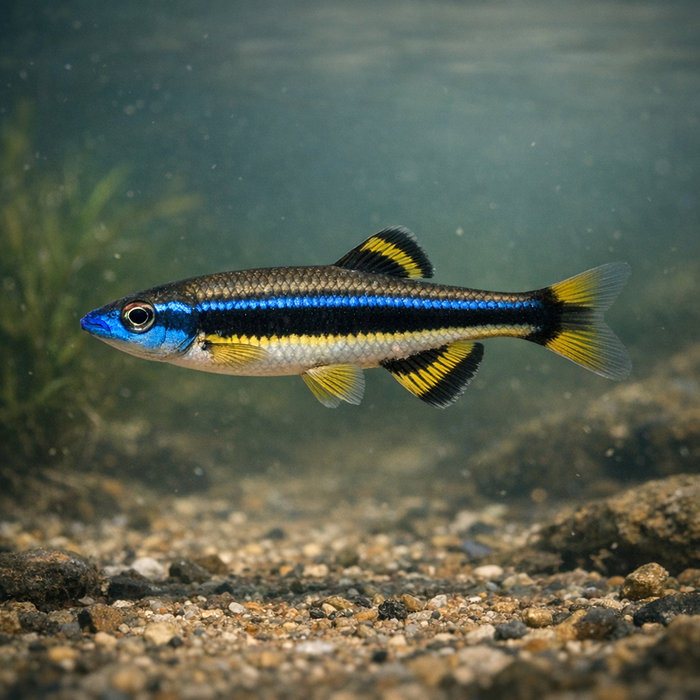
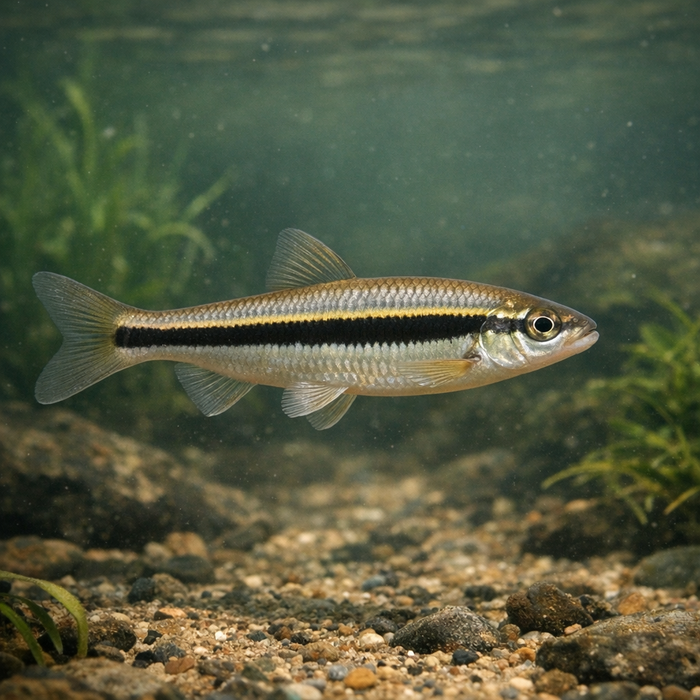
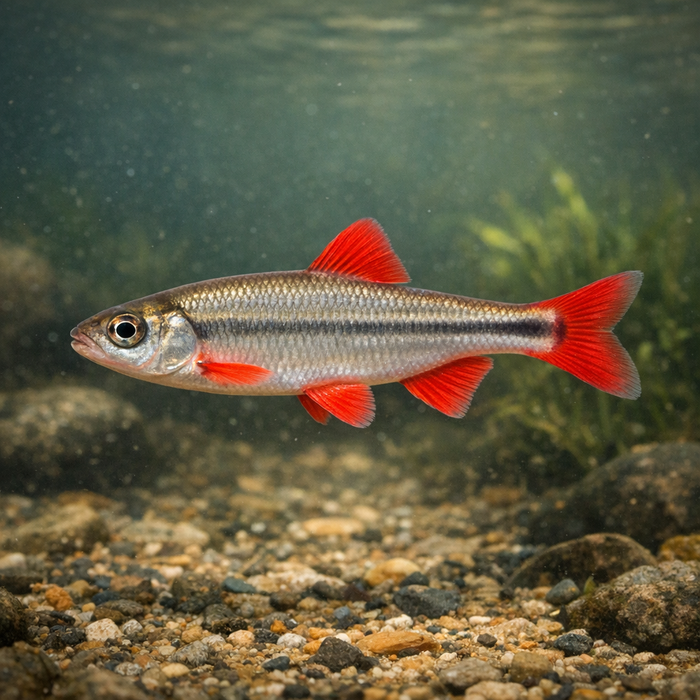
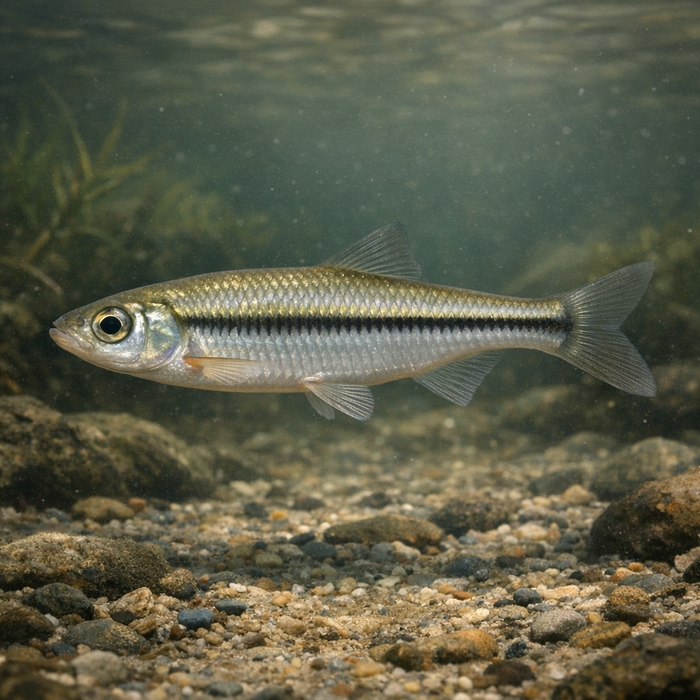
Blackmouth shiner (Miniellus melanostomus): Small Fish, Big Mystery VibesIntroductionWant a master class in ultra-light subtlety? Meet the blackmouth shiner. It's palm-sized, skittish, and shockingly picky for something with a brain the size of a lentil. This tiny cyprinid lives where the water runs tea-clear over sand and grass, and it specializes in reminding anglers that finesse isn't a style, it's a survival skill. If you're here for straight-shooting Blackmouth shiner facts with a sprinkle of attitude, you're in the right creek.What Makes the Blackmouth shiner Unique?Start with the name. The inside of its mouth is jet black, thanks to dense pigment cells that give it a perpetual goth grin. That trait is weirdly distinctive among minnows and a dead giveaway when you get a close look. Then there's the presentation: a sleek, glassy sheen from ultra-fine scales, a dusky stripe that can fade when stressed, and near-invisible fins that blink like cellophane when the school pivots. Most adults never break two inches, which means ordinary hooks look like anchor hardware. Small, yes. Forgettable, no.Habitat & Global Range"Blackmouth shiner habitat" reads like a love letter to clean water. Think clear, slow-to-moderate coastal plain streams and connected ponds draped with aquatic plants. Sand bottom, little silt, lots of sunlight; that's the stage. They pack into vegetation corridors along margins where current softens and predators have to work for a meal. Geographically, they're a Southeastern specialty with a limited footprint, which is a polite way of saying you'll drive past a hundred promising creeks that don't hold a single one.Behavior & TemperamentThis fish is built for the school life. Dozens will hover like a living cloud, then whip ninety degrees in sync if a shadow twitches wrong. Feeding is a series of quick, neat takes rather than lunges, so strikes look like tiny taps instead of hits. Hook sets are more "lift and breathe" than "swing for the fences." Aggression is low and wariness is high, especially in thin water where every bootstep pulses through the sand. If you enjoy sight fishing, their choreography is mesmerizing.Ecological ImportanceMiniscule doesn't mean meaningless. Blackmouth shiners are a tidy link in the food web, turning insect production and plant microfilms into snack-sized protein for larger fish and birds. Their taste for clean, vegetated water turns them into a bioindicator: when the grass beds vanish or the water clouds up, their numbers are among the first to nosedive. Keep them around and you've likely kept a whole suite of clear-water specialists around too.Conservation & Environmental PressuresSmall range, specialized habitat, and a world that loves dredging, ditching, and over-fertilizing is a rough combo. The blackmouth shiner is listed as Endangered in conservation circles, and not because anyone's overfishing it. Degraded water clarity, loss of aquatic vegetation, altered flows, and poorly timed withdrawals do the real damage. Storms that dump silt can crash a local population; a season or two of clean flow can let it rebound. It's a tightrope species living at the mercy of land use choices.The FishyAF TakeChasing blackmouth shiners is like trying to thread a needle in a breeze. You'll need micro hooks, feather-light line, and saintly patience. But when a school swings in, lips flicking like Morse code, it feels like unlocking a secret level most anglers ignore. If you're into tiny targets and clean-water puzzles, this is your fish. If not, respect the habitat anyway. The best Blackmouth shiner facts boil down to this: protect the grass, keep the water clear, and the "blackmouths" will keep haunting those sand-bottom runs like little silver rumors.