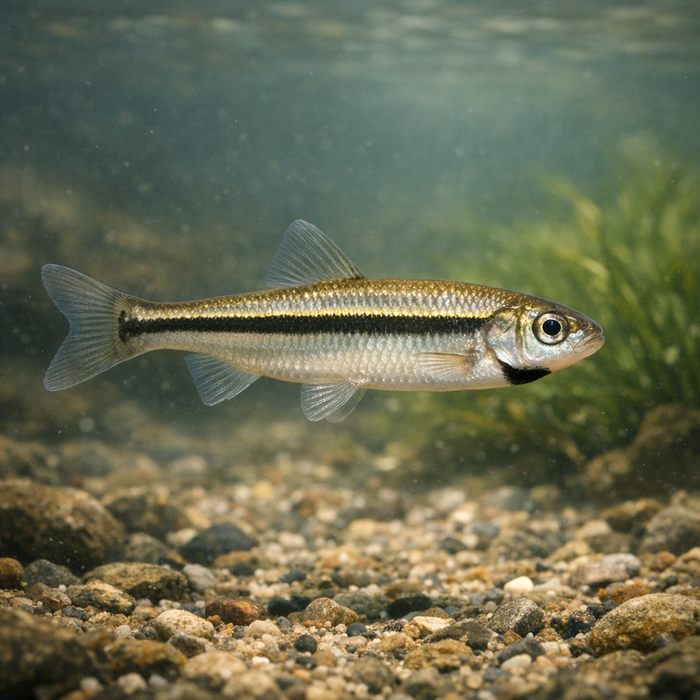
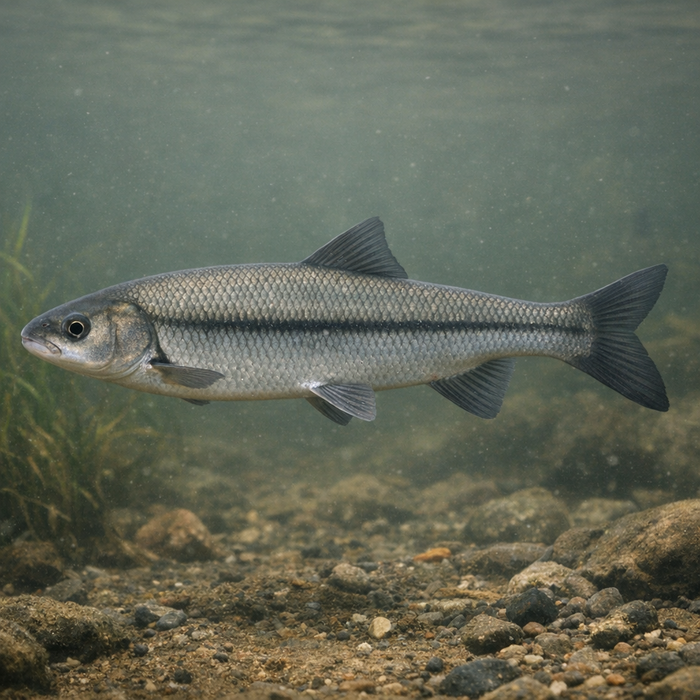
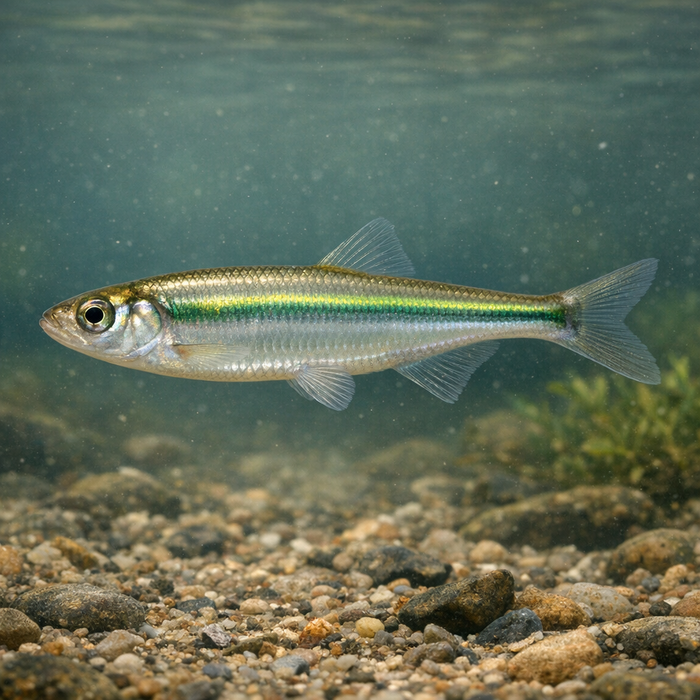
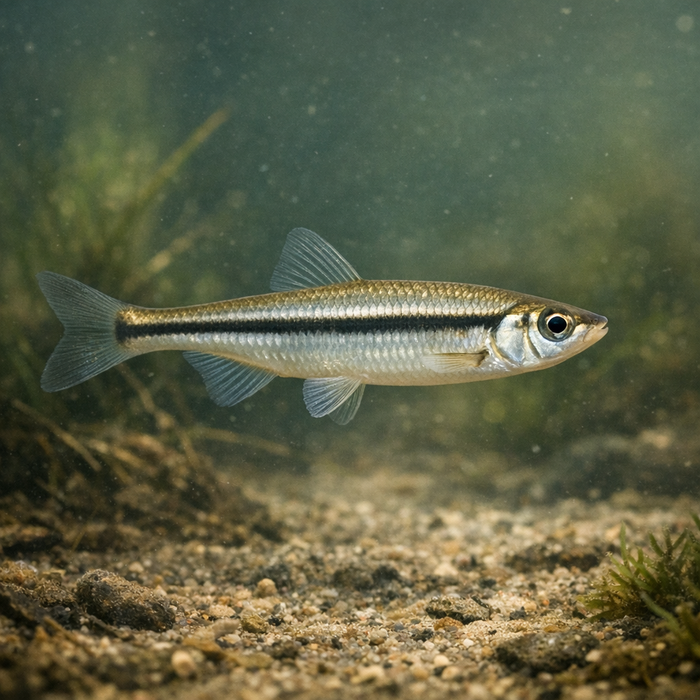
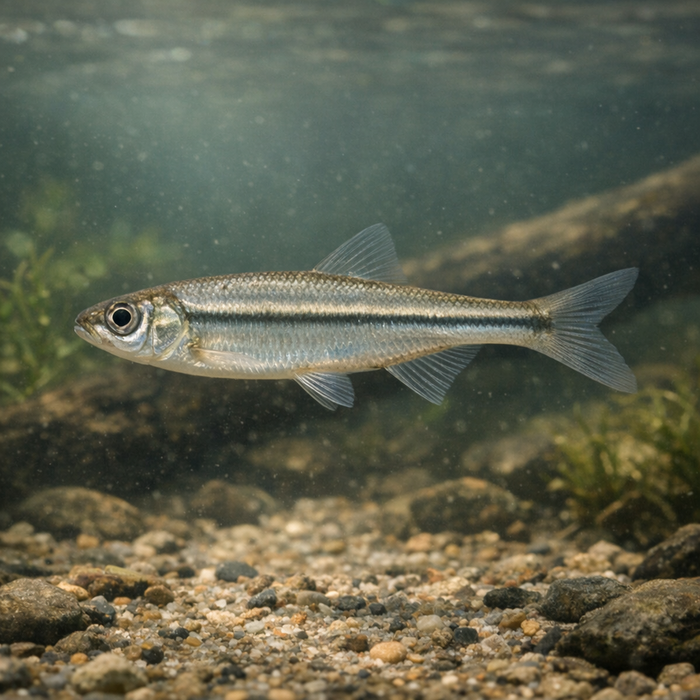
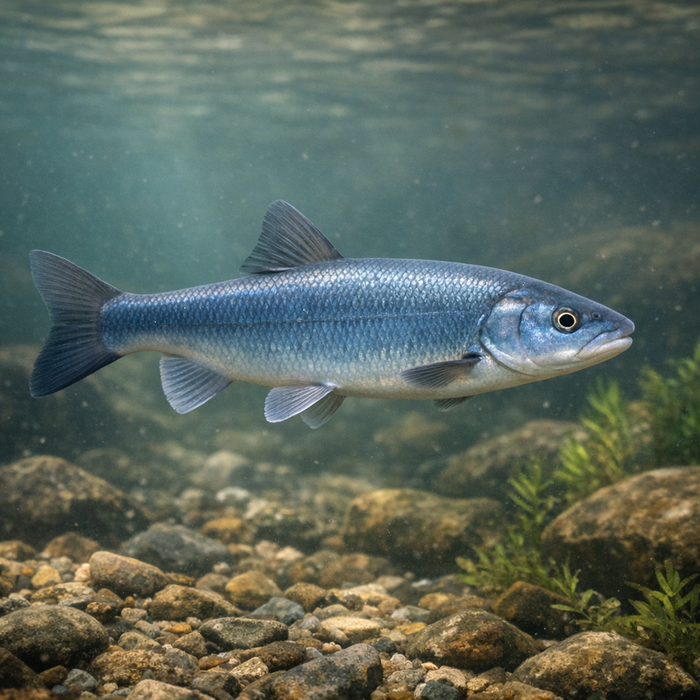
Blacknose Shiner (Notropis heterolepis): Small Fish, Big AttitudeIntroductionThe blacknose shiner is the little shadow flashing across your ankles in a sunlit weedbed, the one with the bold racing stripe that refuses to quit. It's not a headline sportfish, but it's the kind of native minnow that tells you if a lake is healthy, clear, and full of promise. Get the water right, and the blacknose shiner shows up like confetti.What Makes the Blacknose Shiner Unique?Two things jump out immediately. First, that iconic black stripe bulldozes straight across the eye and onto the snout. It's not a suggestion. It's a full-face mask. Second, the species is built for clarity. The blacknose shiner thrives where the water runs clean, plants wave, and sand or fine gravel glows below. Add the fact that mature fish top out around three inches and you've got a micro-species with serious swagger. If you're into micro-angling or just love native fish, blacknose shiner facts get surprisingly fun fast.Habitat & Global RangeThink northern lakes and slow streams with vegetation. The blacknose shiner is a staple across much of the upper Midwest and Great Lakes region, plus nearby drainages. It favors gently moving or still water, pale substrate, and real visibility. Silt and turbidity are the buzzkills; as waters cloud, blacknose shiners fade out. When you're scouting, look for sandy coves, eelgrass patches, and the calm margins of clear creeks. That's prime Blacknose Shiner habitat.Behavior & TemperamentThe blacknose shiner schools tight, hovers mid-column, and uses the plant line like a fence. One second it's a crisp silhouette over sand; the next it slips into green cover and basically disappears. They're not bruisers on a line, but they're suspicious and quick. A tiny hook, a micro float, and the softest presentation you can manage will win far more bites than chucking hardware at them. During spring and early summer, schools bunch up and males develop breeding tubercles and faint fin tints. In winter they downshift under ice, schooling near weeds where oxygen and overhead cover are best.Ecological ImportanceThis is a forage champion. The blacknose shiner converts plankton and small invertebrates into bite-size protein for larger predators. When you see lots of healthy shiners, you're looking at the base of a food web with torque. They also make outstanding early-warning sensors. If shiners vanish from a cove that used to sparkle with activity, check the water clarity, look for shoreline disturbance, and think about runoff. Their presence means "the system still hums."Conservation & Environmental PressuresRegionally the blacknose shiner sits at Least Concern, but its lifestyle comes with catches. It leans hard on clear water with real plant structure. Shoreline development, sediment, and nutrient spikes push it out. Invasive plants or carp-driven turbidity can gut its neighborhood. Because it's small and not a target sportfish, it doesn't draw headlines, which makes local monitoring even more important. Protect the plants, protect the sand, protect the clarity, and the shiner squads will keep showing up.The FishyAF TakeYou don't chase the blacknose shiner for grip-and-grins. You chase it for proof. Proof your lake is still sharp. Proof your presentation can get microscopic and still land a fish. And proof that a two-inch native minnow can be cooler than most people give it credit for. Bring a real micro setup, respect the shoreline weeds, and enjoy the tiny thump. If your day starts with blacknose shiners, everything else in that ecosystem probably wants to play too.