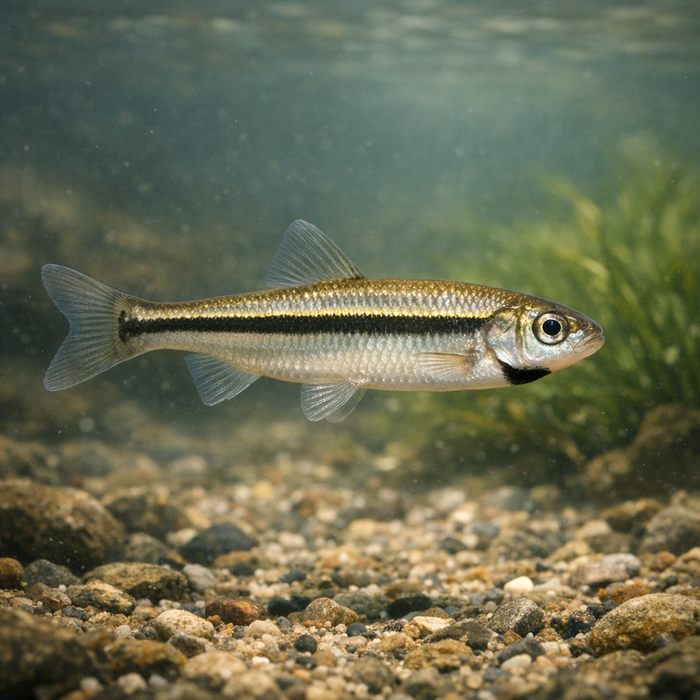
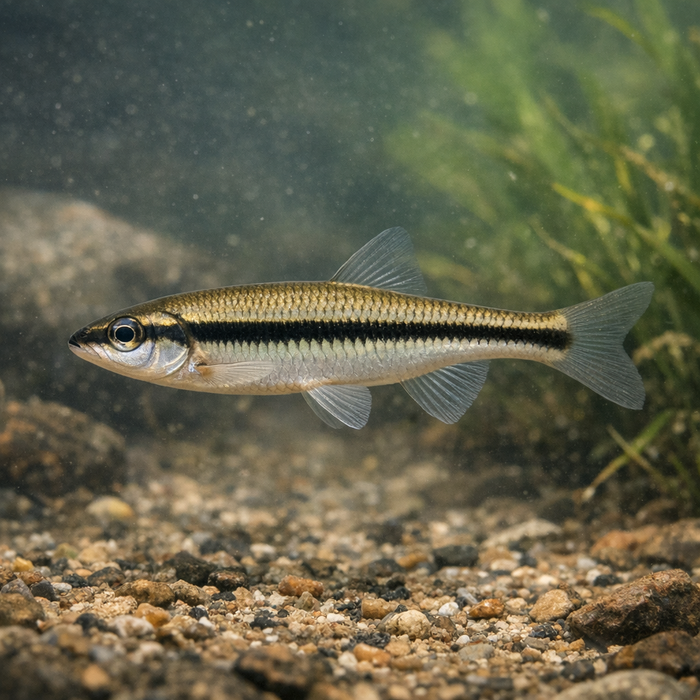
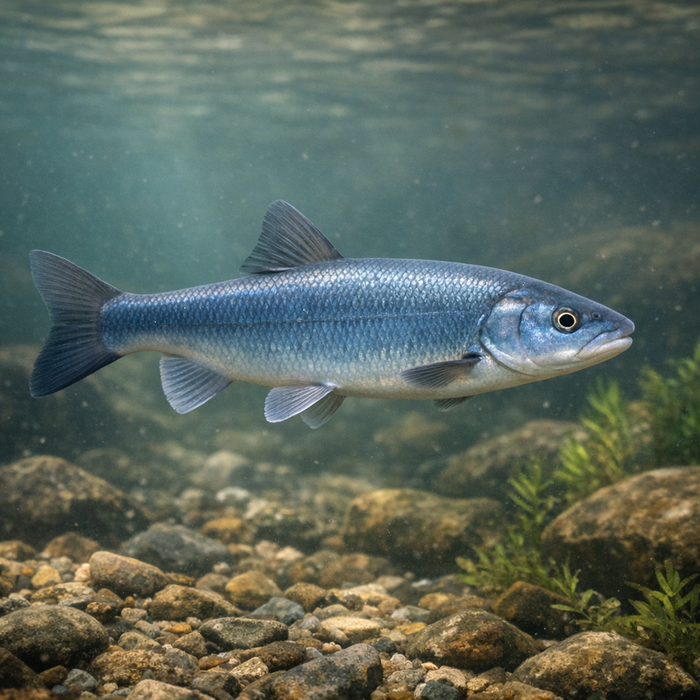
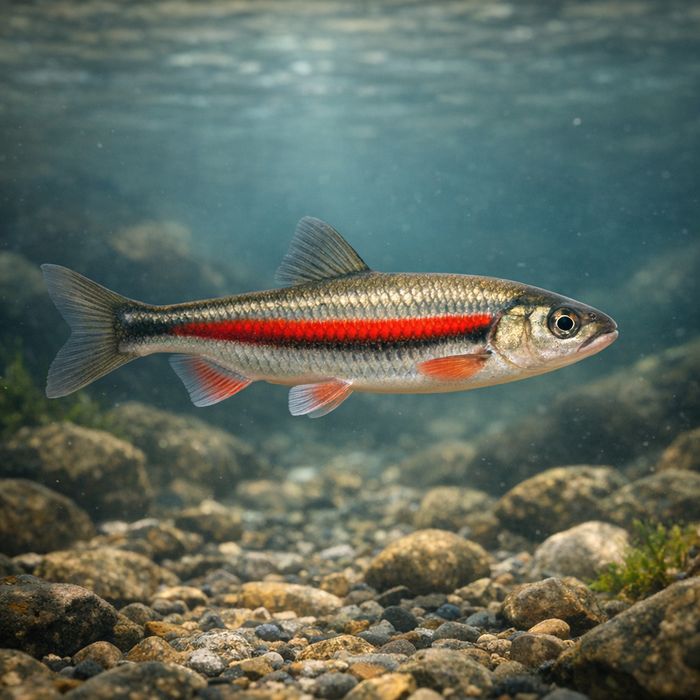
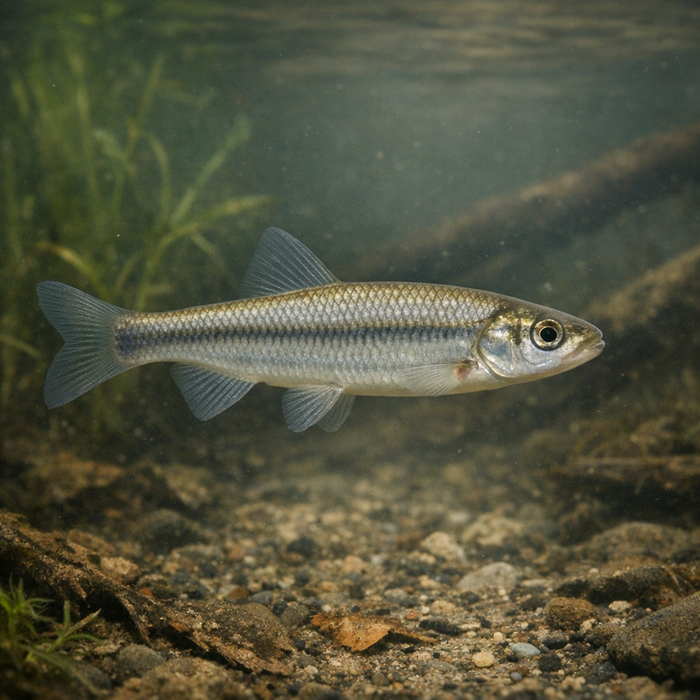
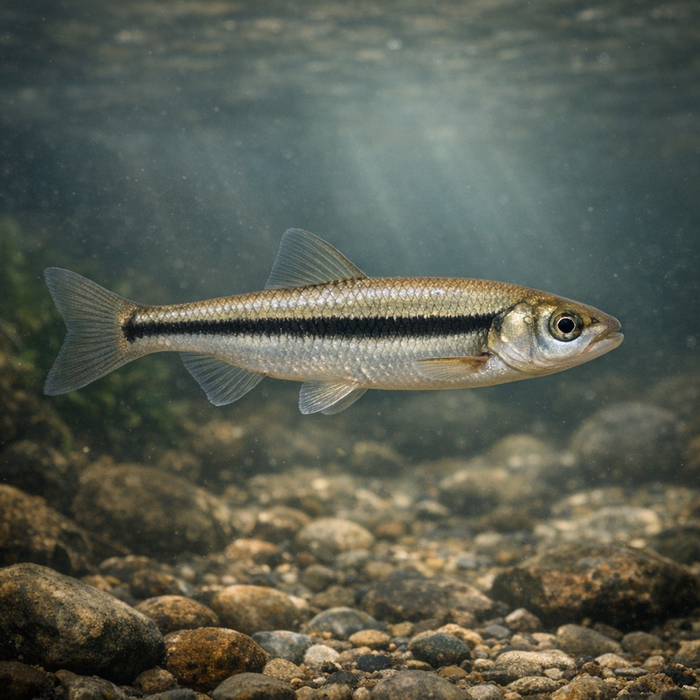
Sacramento blackfish (Orthodon microlepidotus): The Central Valley's plankton-sipping powerhouse with a sneaky cult followingIntroductionThe Sacramento blackfish is the quiet kid in class that secretly runs a 5K before breakfast. It doesn't flash colors like a trout or bulldoze like a catfish, but in the right water this California native stacks into big, tight schools and vacuums plankton like a biological shop vac. If you want something different from the usual bass-crappie-trout circuit, the Sacramento blackfish offers oddball charm, finesse-heavy challenge, and a serious dose of local history.What Makes the Sacramento blackfish Unique?Start with the mouth. It's small, unbarbeled, and designed for sipping tiny stuff, not smashing minnows. Those fine gill rakers act like filters, making the Sacramento blackfish a specialist on zooplankton and micro-invertebrates. It's also the lone ranger of its genus, Orthodon, which is a cool bit of Sacramento blackfish facts trivia. During the spawn, males darken to near-black and schools ignite shallow flats with that rain-on-tin-roof sound. They're an unlikely target that rewards patience and precision.Habitat & Global RangeIf you're searching for Sacramento blackfish habitat, think California's lowlands. They thrive in the Sacramento-San Joaquin Delta, connected sloughs, turbid lakes, and slow rivers. They're comfortable in gentle current, big flats, and even lightly brackish marshes during wet years. Floodplains, tule belts, and vegetated margins are prime. You won't chase them worldwide; this is a West Coast native with most of the action centered in California's Central Valley network and a handful of connected waters.Behavior & TemperamentThe Sacramento blackfish is a schooler. When conditions are right, pods cruise midwater or just off the bottom, picking plankton and small invertebrates with machine-like rhythm. They're not aggressive hitters. Expect soft taps, pivot-and-return takes, and baits getting inspected before committed. Around April to June in many waters, schools push into shallows to broadcast adhesive eggs on vegetation and submerged debris. Dawn, dusk, and calm days with a touch of color to the water often produce the most consistent feeding.Ecological ImportanceThis fish is a link in the food web as both grazer and groceries. By filtering zooplankton and nibbling detritus, Sacramento blackfish help mediate plankton blooms and keep nutrient cycles flowing. In turn, they're forage for larger predators and birds. Historically, they also held commercial value in California's live-fish markets, bridging ecological roles and human culture in a way few anglers recognize.Conservation & Environmental PressuresAlthough currently listed as Least Concern, Sacramento blackfish still ride the rollercoaster of water management. Drought, altered flow regimes, invasive plants, and shifting salinity lines in the Delta all tweak where and how they thrive. Loss of floodplain connectivity pinches spawning opportunity. The good news: they're adaptable, handling turbid water and modest salinity spikes. The caution flag: long-term changes in flow timing, temperature, and plankton communities can quietly kneecap recruitment even when adult fish seem plentiful.The FishyAF TakeThe Sacramento blackfish deserves more respect. It's native, interesting, and plenty technical if you like finesse. Think small hooks, subtle floats, and a light line you actually trust. It won't rip your arm off, but a two- to three-pounder on micro gear will absolutely bend it. For anglers who've "caught everything," the Sacramento blackfish is the gap in the trophy case you didn't know you had. Chase the schools, read the flats, and enjoy a species that turns California's murky water into something worth obsessing over. That's Sacramento blackfish habitat done right, and that's a fish with character.