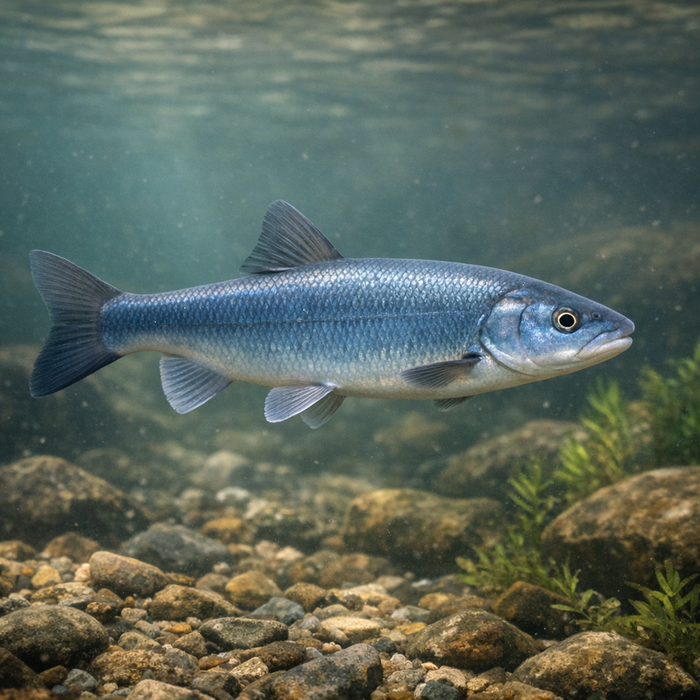
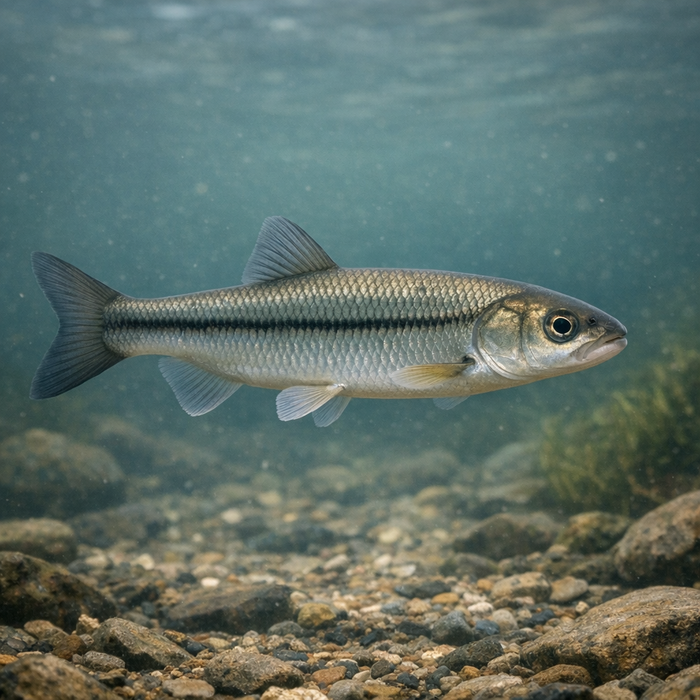
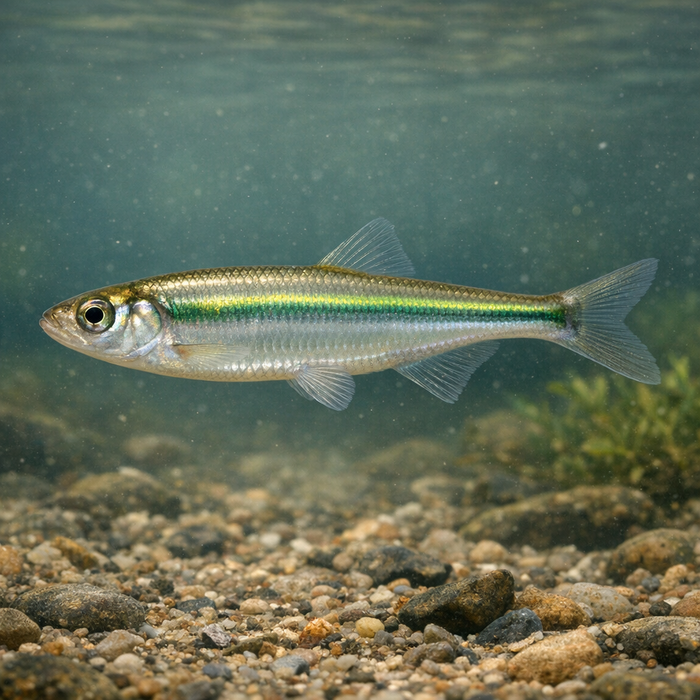
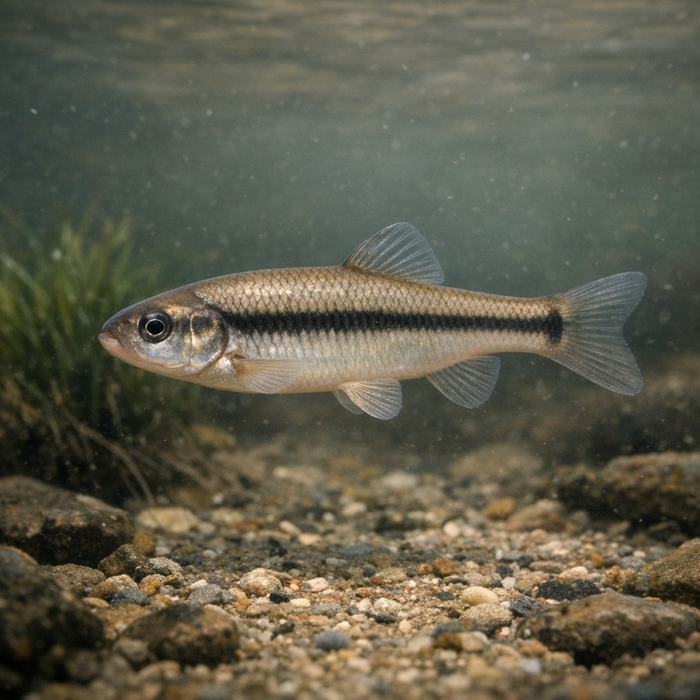
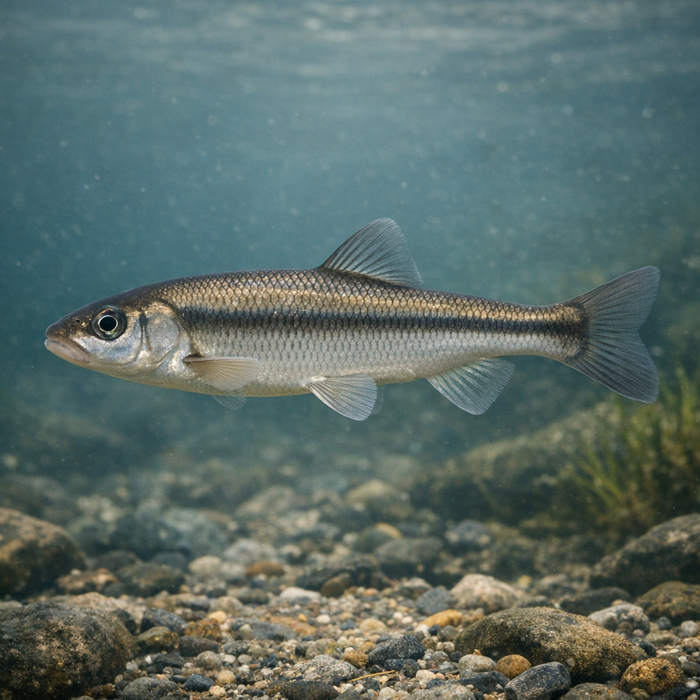
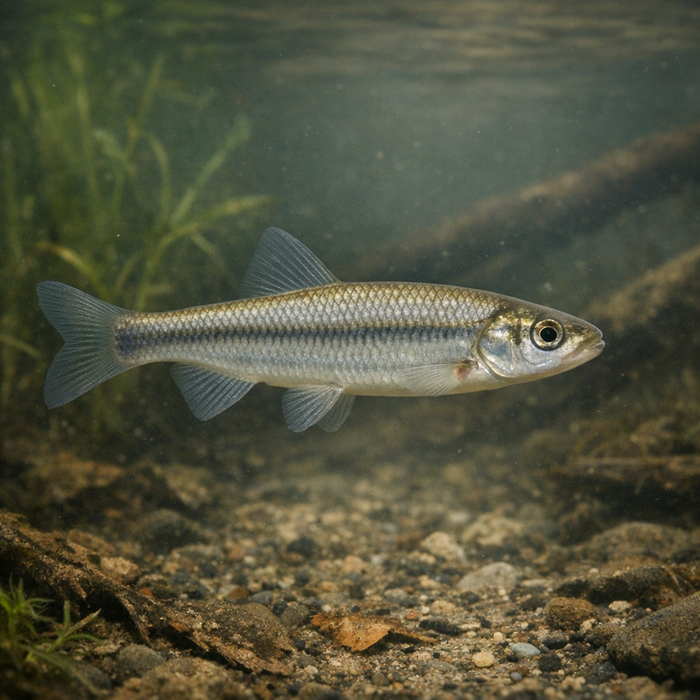
Lahontan Redside (Richardsonius egregius): Small Fish, Big Desert AttitudeIntroductionThe Lahontan redside is proof that tiny can still be legendary. This flashy cyprinid is the red-striped engine of the Great Basin's food web, powering desert-cutthroat dreams one bite at a time. You'll spot them strafing sunlit shorelines, schooling like a silver storm, and in spring, the males crank up a crimson lateral stripe that looks custom-painted. If you're here for Lahontan redside facts or curious about Lahontan redside habitat, buckle up. This is the fish that keeps the desert's big predators honest.What Makes the Lahontan redside Unique?First, the paint job. Breeding males wear fire-engine red flanks edged in black, turning wave-washed cobble into a runway. Second, the lifestyle. They're shoreline specialists, surfing wind-driven shallows to ambush drifting bugs while dodging trout with nine lives' worth of reflexes. Third, they are remarkably tough, handling alkaline, nutrient-swingy waters that make pickier fish pout. All that attitude in a 3-6 inch package.Habitat & Global RangeThe Lahontan redside is a true Great Basin native, anchored in the Lahontan drainage of Nevada and eastern California. Think Tahoe-Truckee, Carson, Walker, and the big inland lakes like Pyramid. Classic Lahontan redside habitat is clear, cool to warm lakes with rocky littoral zones and connected streams with decent flow. They love wind-ruffled banks, gravel points, reed edges, and tributary mouths where food concentrates. In summer, they pile into sun-warmed shallows; in winter or during sudden cold snaps, they slide deeper and school tighter.Behavior & TemperamentSchooling is their superpower. Dozens to thousands move as one, pulsing in and out of shoreline chops and current seams. They sip midges and mayflies, chase zooplankton, and dart at anything remotely buggy. During late spring into early summer, they stage spawning blitzes in just inches of water, releasing adhesive eggs that stick to rocks, vegetation, and woody debris. Their temperament is alert rather than spooky: curious enough to peck a well-placed morsel, but gone in a silver blink if a shadow means trouble.Ecological ImportanceIf the Lahontan redside had a LinkedIn, "Energy Transfer Specialist" would be the headline. They convert plankton and insects into highly digestible protein for desert predators, especially Lahontan cutthroat trout. Juvenile cutthroat grow faster on a redside diet, and trophy cutts often patrol specifically to pin redside schools. Their shoreline spawning and feeding link lake productivity to stream inputs and wave-driven turnover, making them a quality-of-habitat indicator for littoral zones.Conservation & Environmental PressuresThey're resilient, but not invincible. Shoreline development strips out cobble and emergent vegetation that eggs need. Water diversions and prolonged drought alter temperature and chemistry. Invasives like bass and sunfish swipe nursery space and groceries. The good news: the Lahontan redside remains common where habitat stays intact and flows are managed sanely. Protecting wave-washed shorelines, tributary connectivity, and water quality does more than save a minnow; it fortifies the whole basin's fish community.The FishyAF TakeThe Lahontan redside is the little neon battery of the desert. Anglers chasing cutthroat should learn its patterns like gospel, because where redsides stage, big trout orbit. Microfishers, bring your tiny hooks and humility; these fish teach precision better than any grumpy trout. Respect the shorelines they need, celebrate the color show each spring, and remember: without this five-inch overachiever, a lot of Great Basin hero shots wouldn't exist.