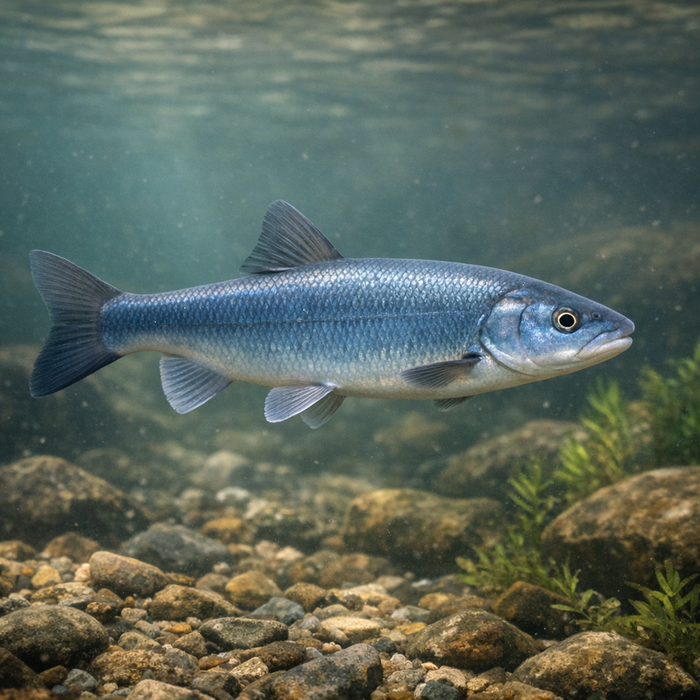
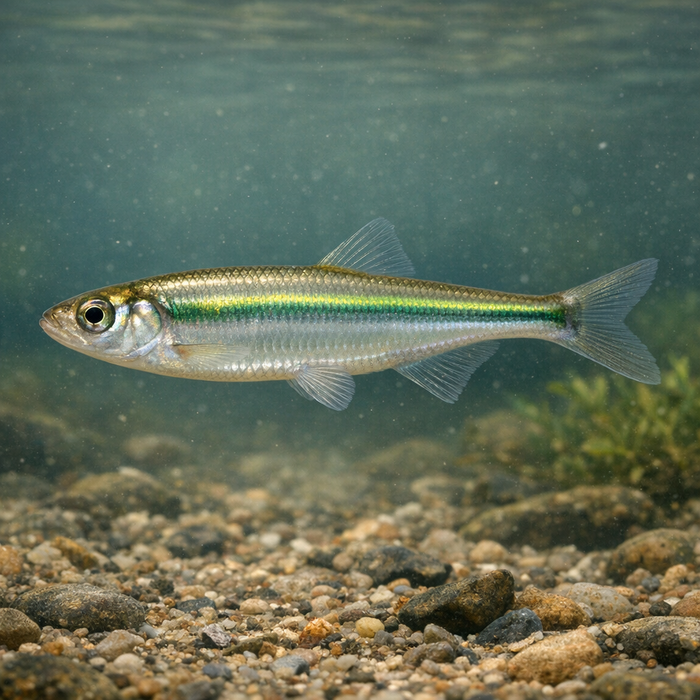
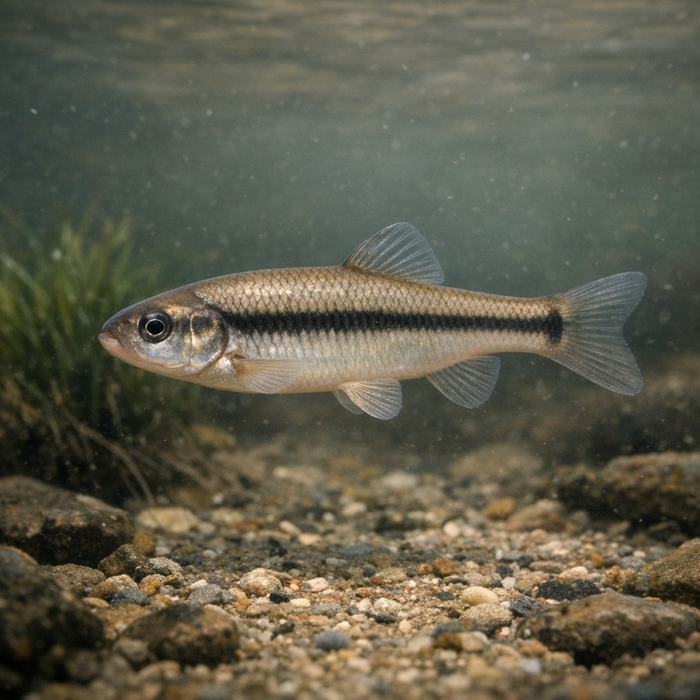
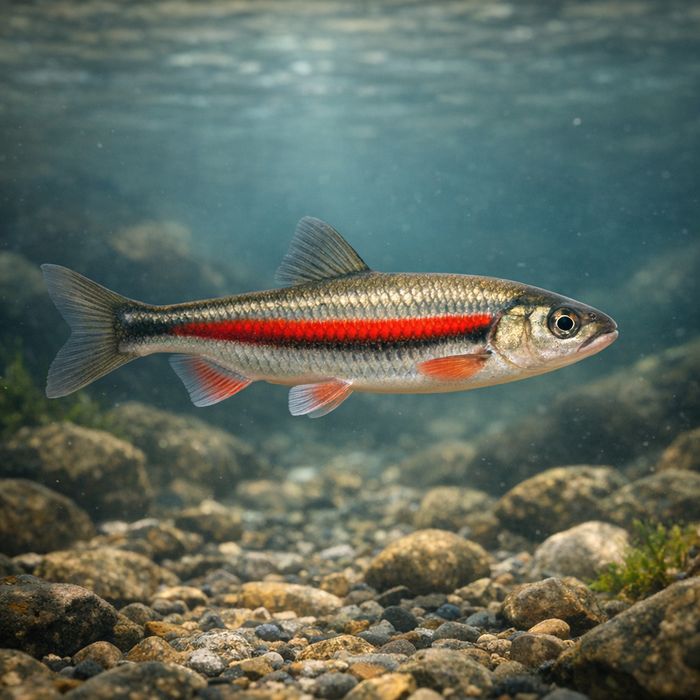
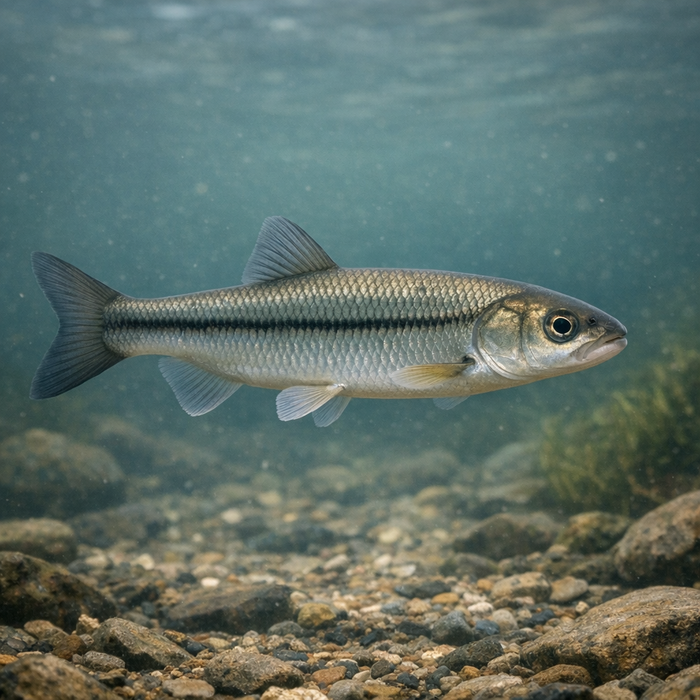
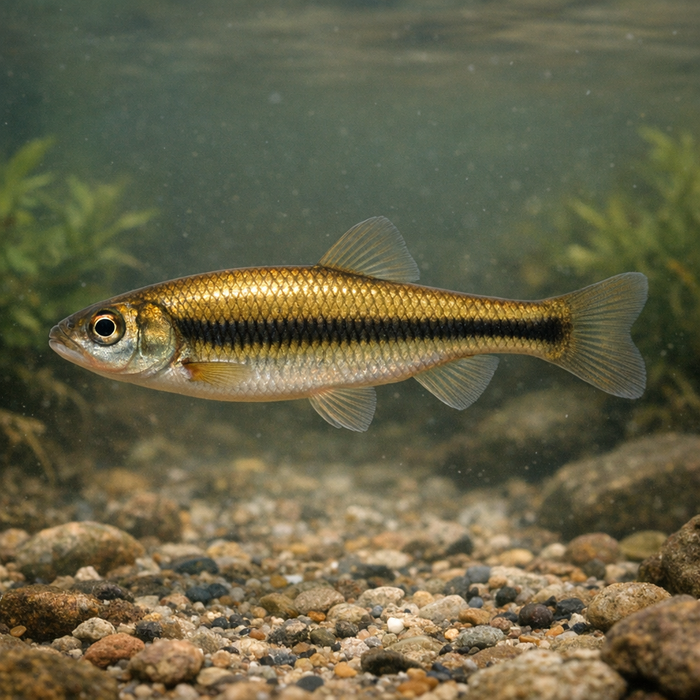
Lake Chub (Couesius plumbeus): The tiny cold-water workhorse that never gets skunked by winter.IntroductionThe lake chub might be the humblest fish you'll ever meet, and that's exactly its superpower. Where other species sulk through cold fronts and ice, this minnow keeps cruising. For anglers, that means willing bites on micro gear when the big-name fish are busy being dramatic. If you're into ultralight rods, tiny flies, and stacked fish counts, the lake chub belongs on your radar. Call it bait if you want. It still out-hustles half the lake on a frosty morning, and that's a fact.What Makes the Lake chub Unique?First, cold tolerance. Lake chub stay active at temperatures that park trout and bass. They'll chew under ice, and not reluctantly. Second, swagger in small packaging. Breeding males develop subtle orange fins and rough breeding tubercles that feel like fine sandpaper. Third, hustle. These fish sprint from lakes into skinny rivulets to spawn over clean gravel, dodging predators and current to get the job done. Add it up and you've got a rugged, adaptable minnow that makes ultralight fishing fun. If you came here for lake chub facts worth repeating, start there.Habitat & Global RangeThe lake chub is a northern specialist. It thrives in cold lakes, beaver ponds, and slow streams across much of Canada, Alaska, and the upper United States, including the Great Lakes basin and interior drainages. Picture rocky shorelines, tea-stained flats, and quiet inlets with a trickle of current. That's prime lake chub habitat. They favor the littoral zone, often in 1 to 10 feet, shifting deeper or tighter to current depending on season. In spring, they'll run into feeder creeks to drop eggs on pea gravel. Summer pushes them along weedy edges and shoals where drifting insects pile up. During winter, they form tight schools and stay surprisingly active beneath the ice.Behavior & TemperamentFor a minnow, the lake chub is opportunistic but not reckless. It responds to small food drifting at mid-depth, but will rise for surface hatches in calm water. The bite is more sip than slam, especially on flies. Hook one and expect quick shakes rather than long runs. They often school by size and spread out once temperatures climb. Low light, warm afternoons in winter, and current seams are dependable feeding windows. Put a tiny midge, maggot, or sliver of worm where the school is sliding, and you'll get love.Ecological ImportanceLake chub glue the cold-water food web together. They convert an endless trickle of insects and micro-invertebrates into calories that trout, pike, and loons can use. Eggs and fry are buffet items for basically everyone larger. When their runs light up tributaries, predators stack below and around them. Ignore the small stature: remove a species like this and the whole system jogs funny. The lake chub keeps energy moving, and it does that job in water too cold and places too remote for many competitors.Conservation & Environmental PressuresMost populations are stable, which tracks with their Least Concern status. Still, they're not invincible. Silted spawning gravel, unstable flow from poorly timed water releases, and shoreline development squeeze their best habitat. Warm-water intrusions from climate shifts can shuffle local timing and distribution. Invasive predators and bait-bucket introductions add unpredictable stress. Thankfully, the species' adaptability and broad range help buffer against local hits, but the best insurance remains clean tributaries, intact shorelines, and smart water management.The FishyAF TakeLake chub don't care about your ego. They don't headline tournaments or pad social feeds with hero shots. They just eat, in rude weather, on tiny hooks, all day long. That's value. If you're new to ultralight or want to keep a winter bite alive, lake chub deliver. Pack micro jigs, a spool of 2-4 lb mono, and a willingness to smile at small victories. Target current trickles, rocky edges, and soft inlets. When the rest of the lake ghosts you, the lake chub shows up. That's the kind of reliability every angler needs. Consider this your quick primer on lake chub habitat, behavior, and yes, a few lake chub facts you'll actually use.