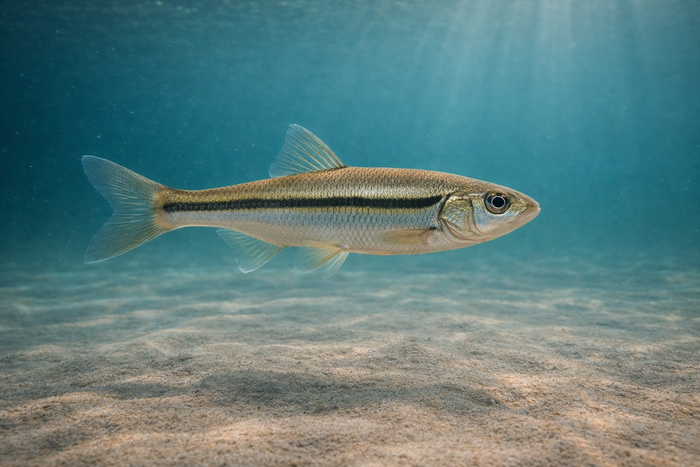
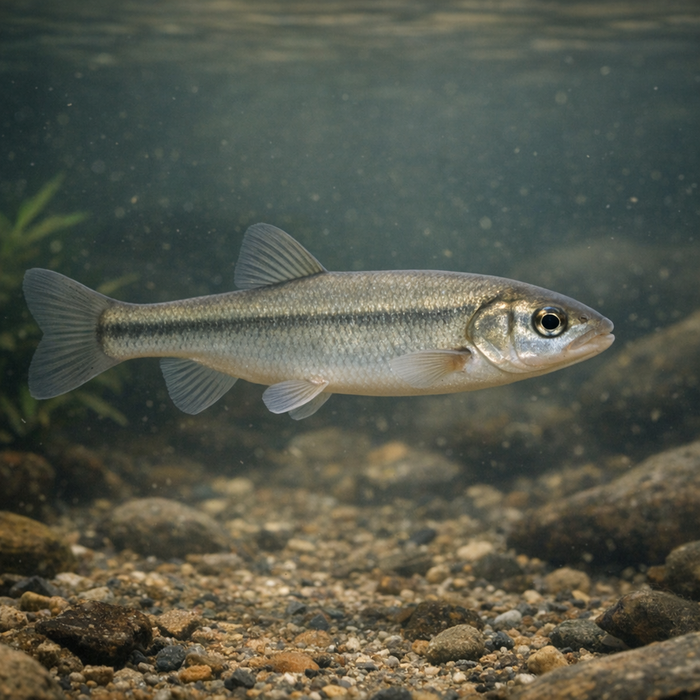
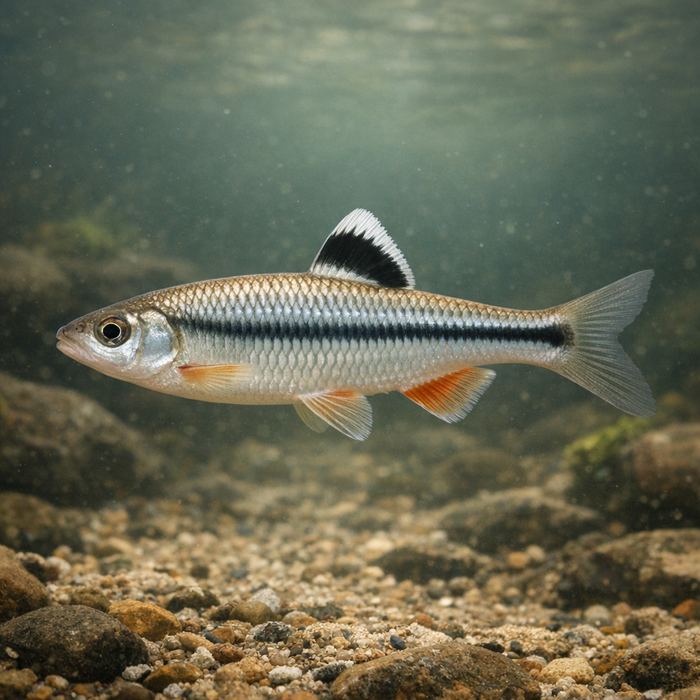
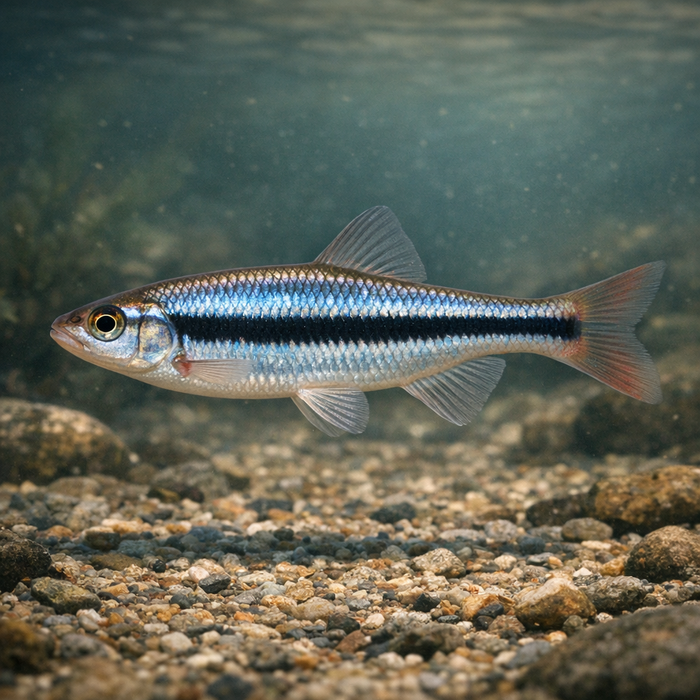
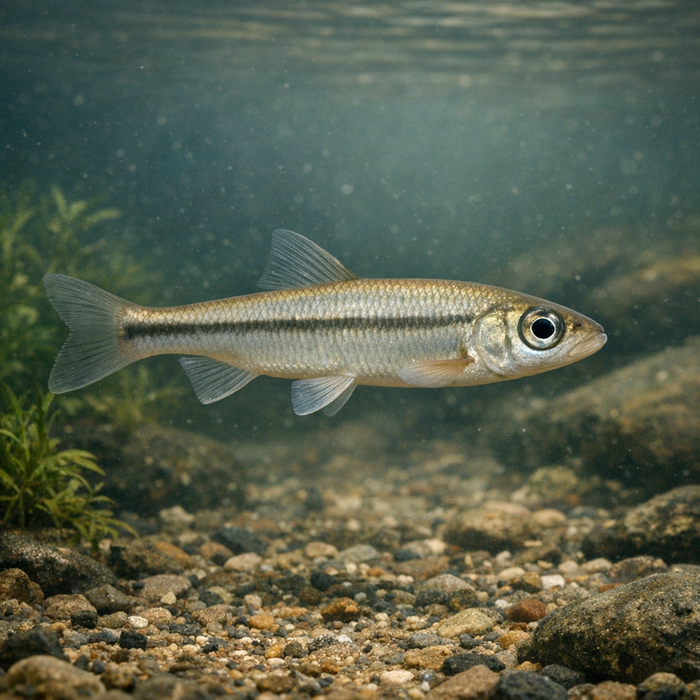
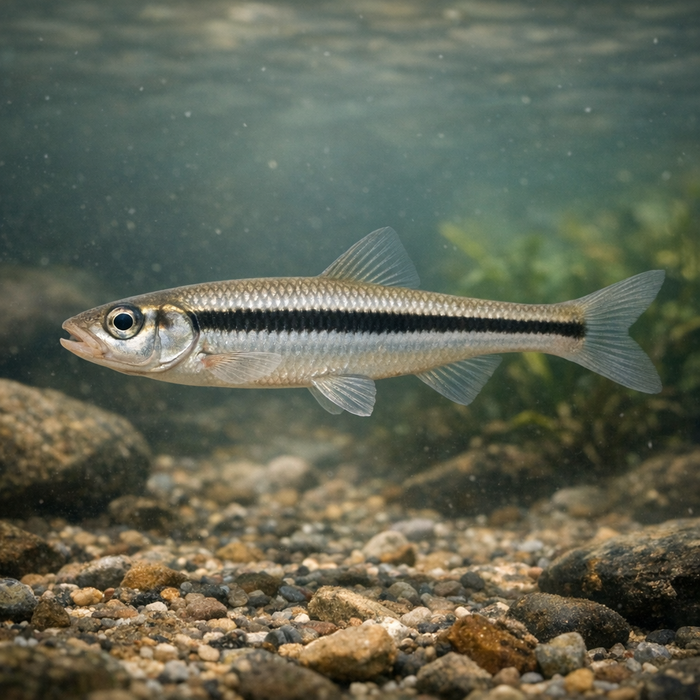
Brassy Minnow (Hybognathus hankinsoni): Small Fish, Big Attitude In Weeds And BackwatersIntroductionThe brassy minnow is the quiet kid at the back of the class who aces the test anyway. It's small, shiny, and built like a micro vacuum cleaner for algae and detritus. Most anglers ignore it. Micro anglers know better. If you're dialed into panfish edges, cattail seams, or that mucky, overlooked pocket next to a culvert, chances are you've brushed shoulders with this little specialist. Ready for some brassy minnow facts without the yawn? Let's go.What Makes the Brassy Minnow Unique?First, that gleam. In the right light, the sides flash a warm gold that gives the brassy minnow its name. Second, the hardware: a subterminal mouth and long gut tuned to scouring biofilm, diatoms, and bits of plant muck. It's a grazer, not a hunter, and it's shockingly good at turning slime into survival. Third, it's tougher than it looks, tolerating cold winters, low oxygen, and water that would make fussier minnows throw in the towel. Together, those traits make Hybognathus hankinsoni a master of the marginal spot.Habitat & Global RangeAsk about brassy minnow habitat and you'll hear one phrase on repeat: calm and weedy. Slow creeks, backwaters of larger rivers, beaver ponds, oxbows, and pond margins with beds of pondweed or coontail are prime. Sand or silt bottoms with drifting algae mats are basically a buffet. The species is a northern player, especially through the upper Midwest and Great Lakes basins, extending into adjacent parts of the Northeast and across portions of southern Canada. It moves locally with flow and season, but don't overthink migrations; it's usually right where the weeds thicken and the current naps.Behavior & TemperamentThe brassy minnow is a schooling creature. Where you see one, expect dozens or hundreds suspended inches off the bottom. It's alert but not dramatic; twitch the water and the school blurs away, then drifts back, comforted by numbers and cover. Feeding is slow and methodical, more grazing than gulping, with short bursts around prime weed edges. Spawning typically lands late spring to early summer when water warms, with adhesive eggs on vegetation and no parental follow-up. Under ice, the metabolism hits low gear and the school tightens, a living snow globe over wintering weeds.Ecological ImportanceThis minnow is a nutrient recycler at scale, turning primary production into snack-sized fish that feed a long list of predators. Pike, bass, walleye, perch, and herons cash checks written by brassy minnows. Because it thrives in weedy, lower-flow habitats, it also stabilizes energy pathways that other fishes skip. Translation: healthy brassy minnow populations mean a sturdier food web and more consistent growth for your favorite gamefish. Pull the little pieces and the big ones wobble.Conservation & Environmental PressuresGood news first: the species is generally stable and listed as Least Concern at a broad scale. The asterisk: small waters are fragile. Drainage work, shoreline hardening, and pesticide runoff flatten the weedy margins this fish needs. Add invasive vegetation shifts or turbidity spikes and you can quietly erase a local population. Because nobody runs creel surveys for brassy minnows, losses can happen without headlines. The fix is practical: protect vegetated margins, keep stormwater clean, and let slow water stay slow.The FishyAF TakeThe brassy minnow isn't about glory; it's about precision and noticing what others miss. Want to level up your fish IQ? Spend 30 minutes on a sunny shoreline with a micro float, a #20 hook, and a pinch of worm. You'll learn how schools set up in light current, how shade lines regulate tiny fish traffic, and how "muck" is often the main event. It's micro fishing that unpacks macro lessons. And if you just came here for quick Brassy minnow habitat pointers or fresh brassy minnow facts, here's the cheat: weeds, edges, calm pockets, tiny bait. Small fish, big system insight.