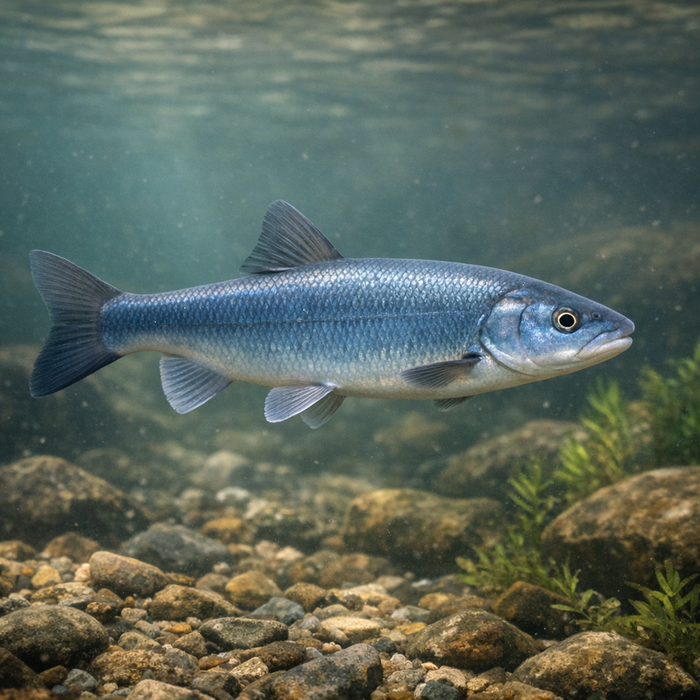
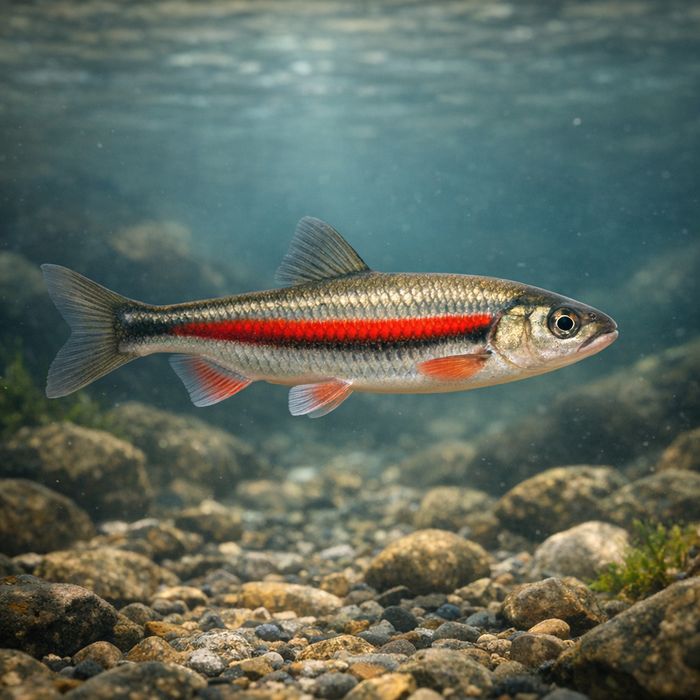
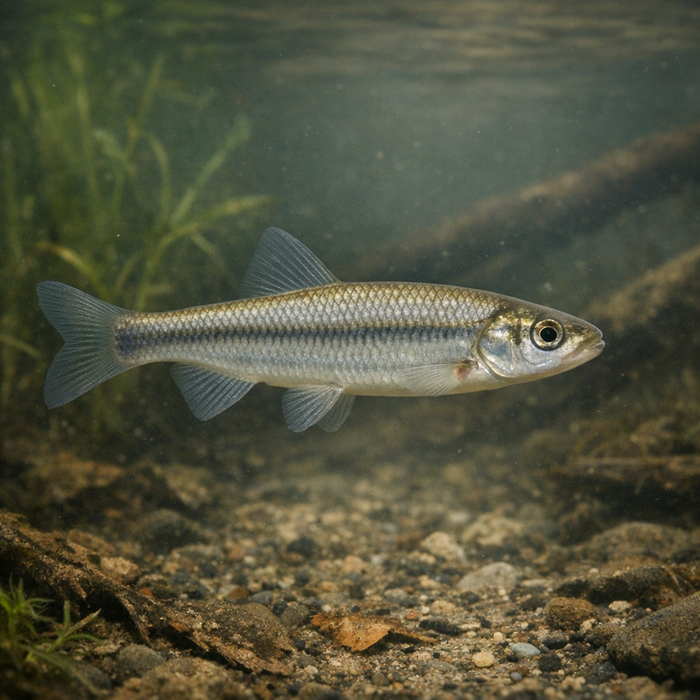
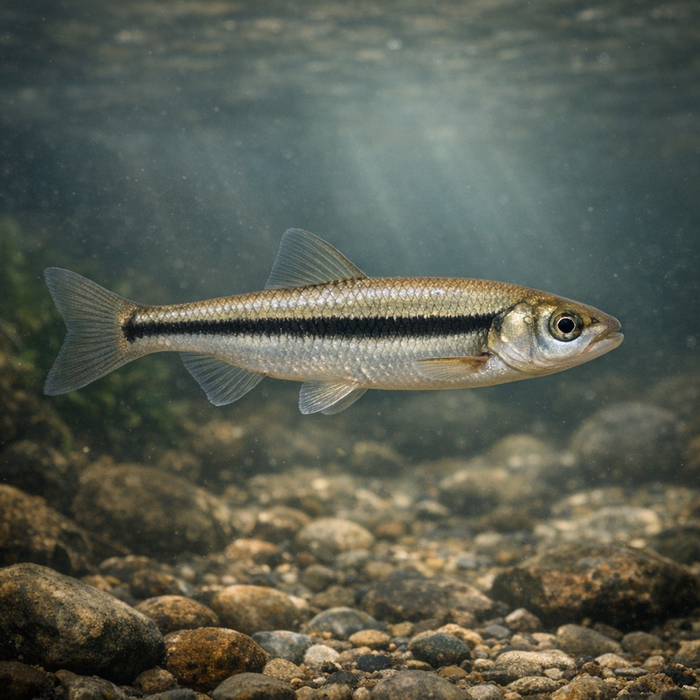
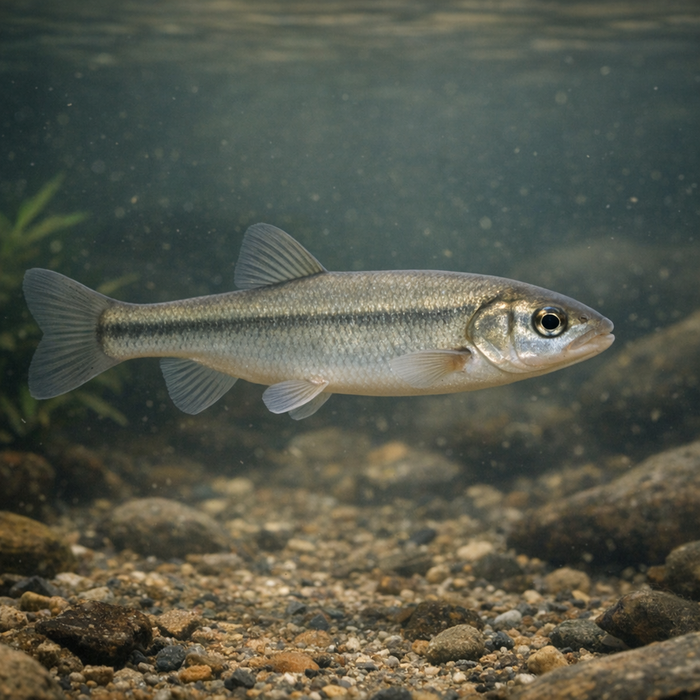
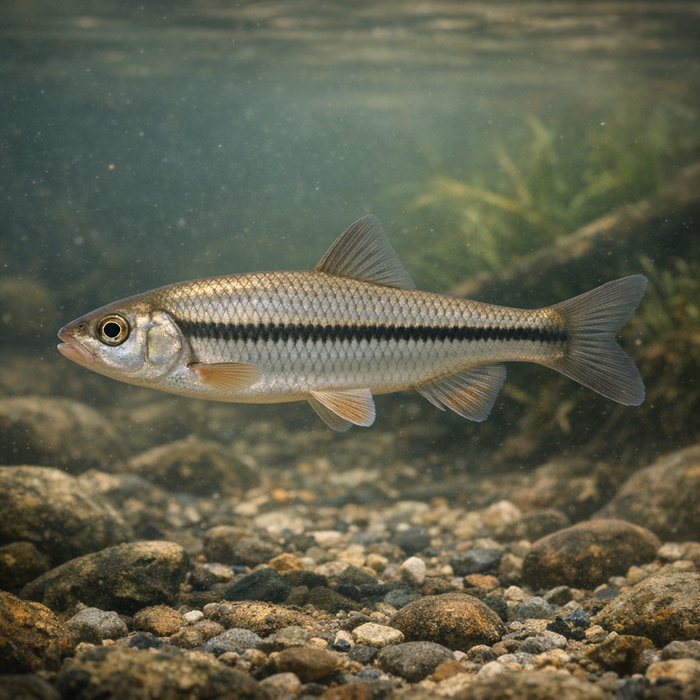
Tui Chub (Siphateles bicolor): Desert workhorse, trout feeder, and professional survivor.IntroductionIf you fish the Great Basin long enough, the tui chub eventually steals your bait, flashes in the shallows, or packs your sonar screen with a living cloud. This isn't a glamor species, and that's the point. The tui chub is the gritty backbone of a lot of western waters, powering predators, shrugging off nasty chemistry, and thriving where more delicate fish throw in the towel. For anglers, tui chub mean easy action, steady forage for trophies like Lahontan cutthroat trout, and a shot of old-school desert fishing culture. If you wanted practical Tui chub facts, you're in the right place.What Makes the Tui chub Unique?First, adaptability. Tui chub handle harsh alkali lakes, warm summers, and long, icy winters without drama. Second, shape-shifting growth. Lake fish grow stout and tall; stream fish stay torpedo-sleek, built for current. Third, food-web horsepower. When you boat a tanky cutthroat or a fat smallmouth in certain western waters, there's a good chance a tui chub paved the way as protein-on-fins.Habitat & Global RangeDespite the "chub" label, this isn't a generic minnow. The tui chub is a Great Basin specialist ranging across Nevada and parts of California and Oregon, from big natural lakes to irrigation reservoirs, slow rivers, weedy bays, and desert marshes. Classic tui chub habitat includes shallow, sun-warmed shorelines, emergent weeds, silt or mixed gravel, and inlets where wind and current stack plankton and drifting snacks. In big alkaline lakes, they cruise midwater in battalion-sized schools, then push shallow when the buffet lines up. Want more Tui chub habitat pointers? Think edges: weedlines, drop-offs, creek mouths, and windward banks where scent and food concentrate.Behavior & TemperamentTui chub are opportunists with a calm streak. They graze plankton, inhale invertebrates, and scavenge bottom bits when it's easy. They school tight in open water for safety, then spread out when feeding turns on. Spawning is a full-tilt spectacle in late spring or early summer: shoreline swarms, males bristling with nuptial tubercles, eggs glued to plants and gravel. Their fight won't peel drag like a striper, but on ultralight they're lively and dependable, the desert's answer to a bite when nothing else is playing.Ecological ImportanceCall them the great enablers. Tui chub are a keystone forage for Lahontan cutthroat trout, ospreys, pelicans, herons, and a dozen other freeloaders. They cycle nutrients by hoovering midwater plankton and flipping it into fish flesh that predators can cash in. In weedy, shallow zones, their rooting and grazing help shuffle energy across the food web. Pull tui chub from a system and everything hungry gets leaner and meaner.Conservation & Environmental PressuresThe species Siphateles bicolor is broadly secure, but some local forms and subspecies have taken hits from water diversions, habitat loss, and invasive predators. Alkaline lakes rise and fall with climate and management; that whiplash can squeeze spawning habitat and push schools into marginal water. Anglers should expect plenty of tui chub in many waters, but also know that certain drainages manage them carefully to protect unique lineages.The FishyAF TakeThe tui chub is the toughest little paycheck in the basin. Not flashy, not fussy, just endlessly useful. If you need steady action for kids, want cutthroat bait intel, or just dig the desert's scrappy undercard, this fish delivers. Learn the winds, track the schools, and enjoy the honest tug. You'll leave with stories, maybe a new respect for a species that keeps wild trout fat and western lakes humming. That's the real Tui chub facts play: behind every hero fish is a blue-collar grinder that makes the system work.