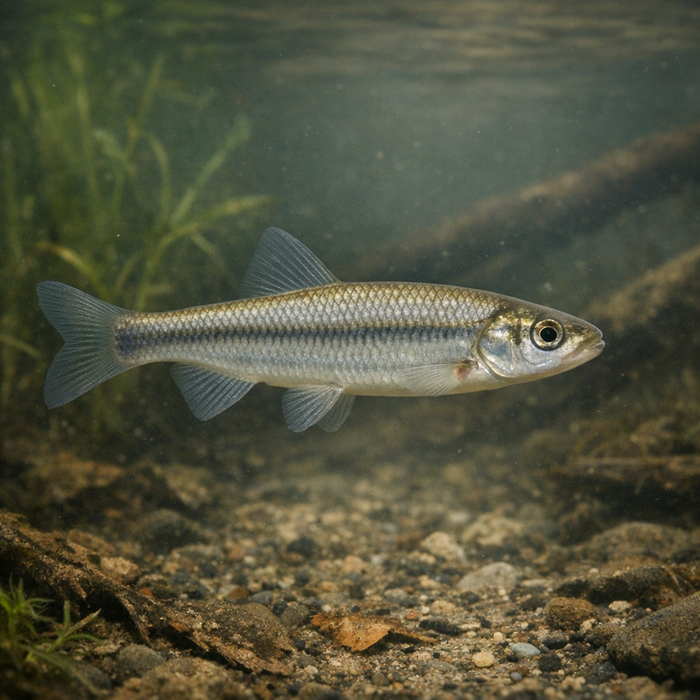
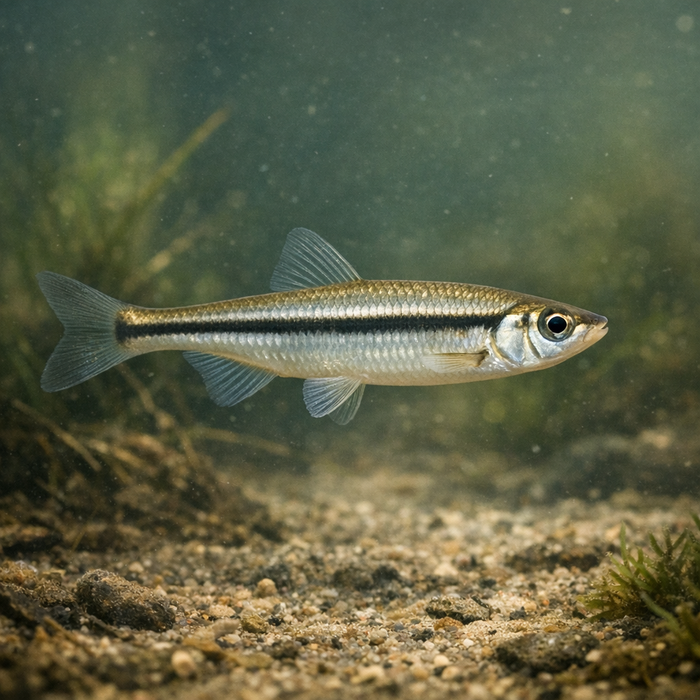
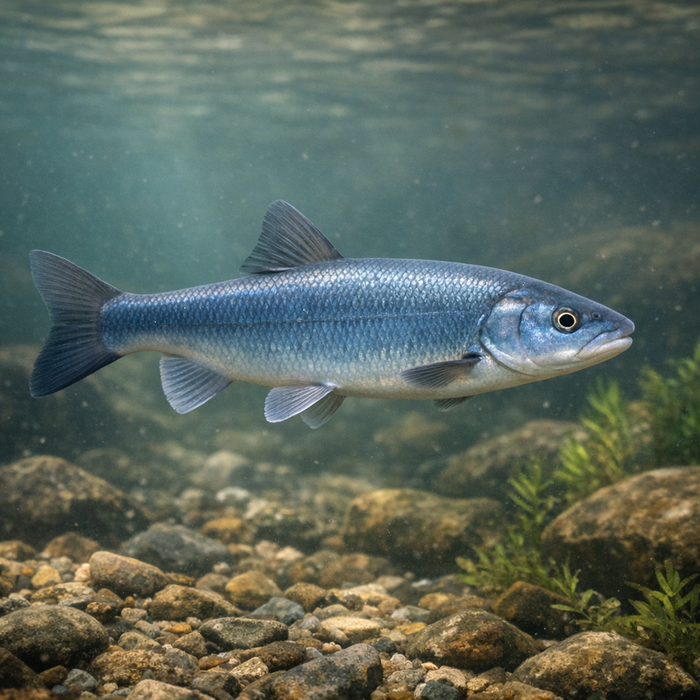
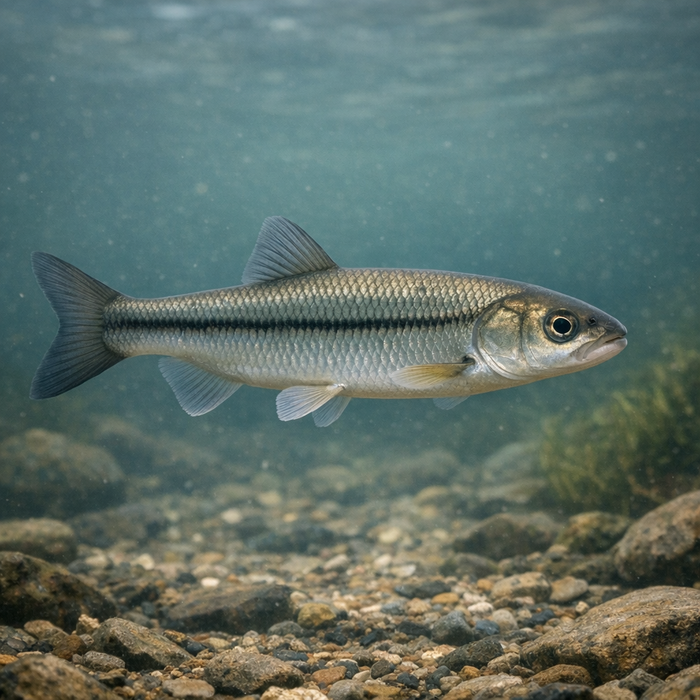
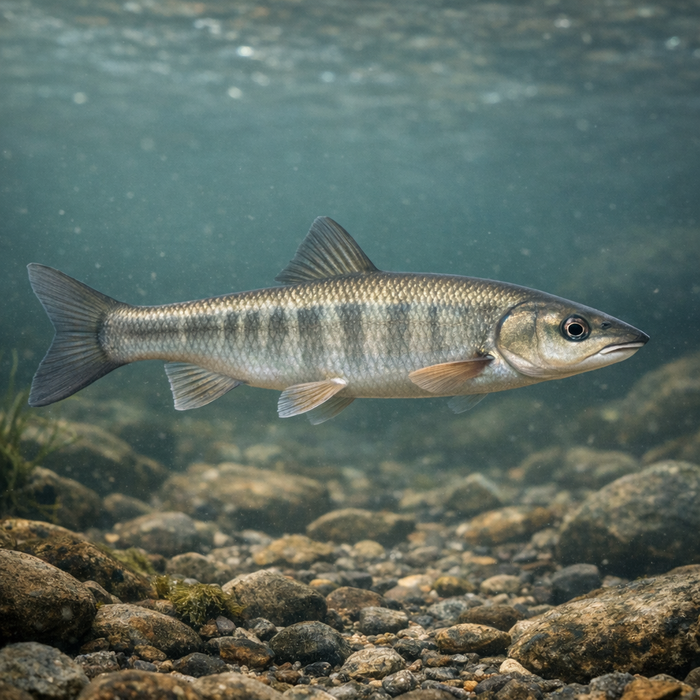
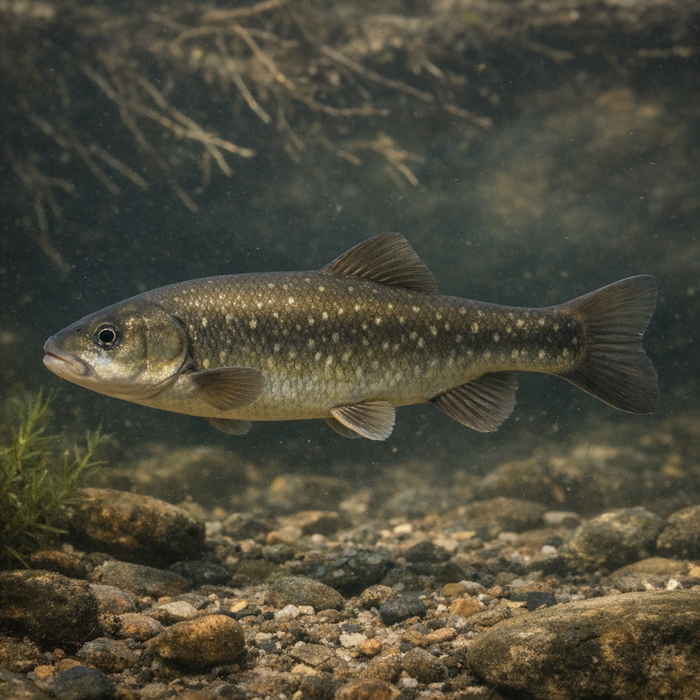
Relict Dace (Relictus solitarius): The Great Basin's pint-sized survivor hiding in plain sight.IntroductionTough, tiny, and older than your grandpa's tackle box conceptually, the relict dace is Nevada's marsh ghost. This small native minnow hangs in spring-fed wetlands where the water stays weirdly stable and the vegetation grows thick. For anglers, the relict dace is less about hero shots and more about rare encounters, careful handling, and bragging rights for simply finding one. If you're here for Relict dace facts or trying to decipher Relict dace habitat, you're already miles ahead of the crowd.What Makes the Relict dace Unique?Start with the name: relict. This fish is a literal holdover from ancient pluvial lakes that once blanketed the Great Basin. As those mega-lakes receded, relict dace retreated to spring complexes and marsh channels, surviving where others couldn't. It's the only species in its genus, Relictus, which is a flex in fish terms. Add in a long, pointed snout and tiny downturned mouth that vacuums midge larvae off plants, and you've got a specialist that wins by being small and smart.Habitat & Global RangeThe relict dace is a Nevada story through and through. Think spring-fed marshes, tule and bulrush beds, shallow channels, and ponds with clear to tea-stained water. Flow is gentle, temperatures are moderated by springs, and chemistry can lean alkaline. You won't road-trip across states for this one; the distribution is tight. That's part of the mystique. When someone mentions Relict dace habitat, they're picturing a quiet Great Basin marsh at dawn, dragonflies skimming, and ripples betraying little schools cruising the edge.Behavior & TemperamentRelict dace don't brawl. They're cautious, quick, and wired for survival in shallow, exposed places. They often school loosely, especially the smaller fish, darting in to snatch invertebrates and retreating into cover when a shadow passes. Surface dimples during midge hatches are your clue, but they'll also work midwater lanes or probe bottom vegetation. Warm months kick their metabolism into gear and stretch out feeding windows, with the most confident bites around low light. Subtle presentations rule because these fish live under constant bird and snake pressure.Ecological ImportanceThe relict dace is the humble engine of isolated marsh food webs. It converts swarms of aquatic insects into protein for birds, garter snakes, and the occasional predatory fish. Remove this minnow and the balance tilts fast: vegetation overgrows, insect pulses change, and everything that eats dace has a bad year. For a fish that tops out at palm-size, the ecological footprint is outsized.Conservation & Environmental PressuresHere's the rub. Restricted range means any hit lands hard. Groundwater pumping, habitat fragmentation, invasive fish, and marsh alteration can kneecap a relict dace population before anyone outside the valley notices. Many waters are tightly regulated, sometimes closed, precisely to keep this native around. That "relict" tag isn't a marketing gimmick; it's a warning label from prehistory reminding us that specialized survivors can be one bad decision from gone.The FishyAF TakeIf you're chasing relict dace, you're not trophy hunting. You're chasing a story: a Great Basin original that dodged extinction by mastering the margins. The challenge is equal parts logistics, ethics, and finesse. Stealth matters. Micro hooks matter. Regulations matter most. The best anglers treat the relict dace like a museum piece that still breathes. Spot one, savor it, and keep the marsh quiet. Catching is optional. Respect isn't.