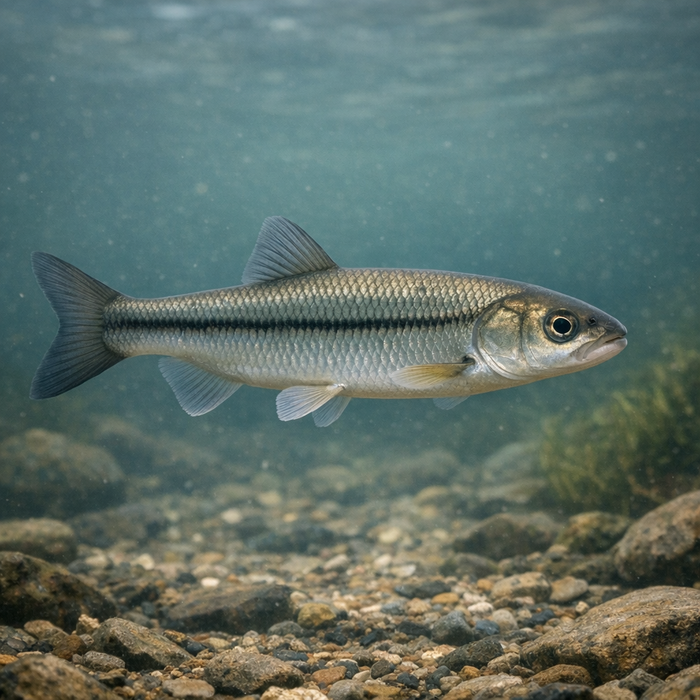
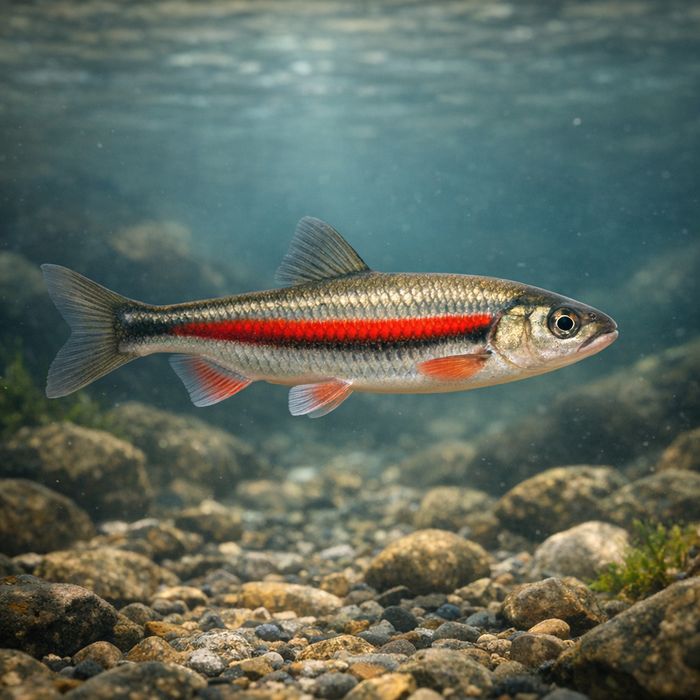
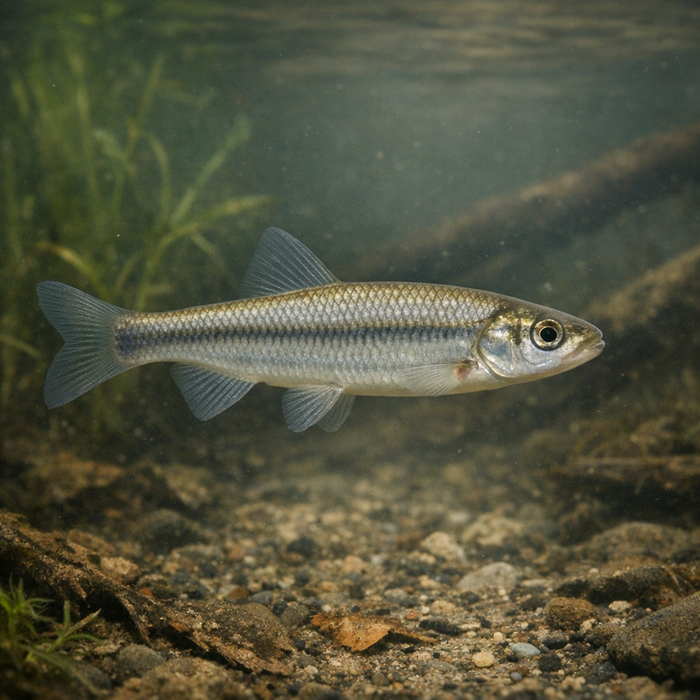
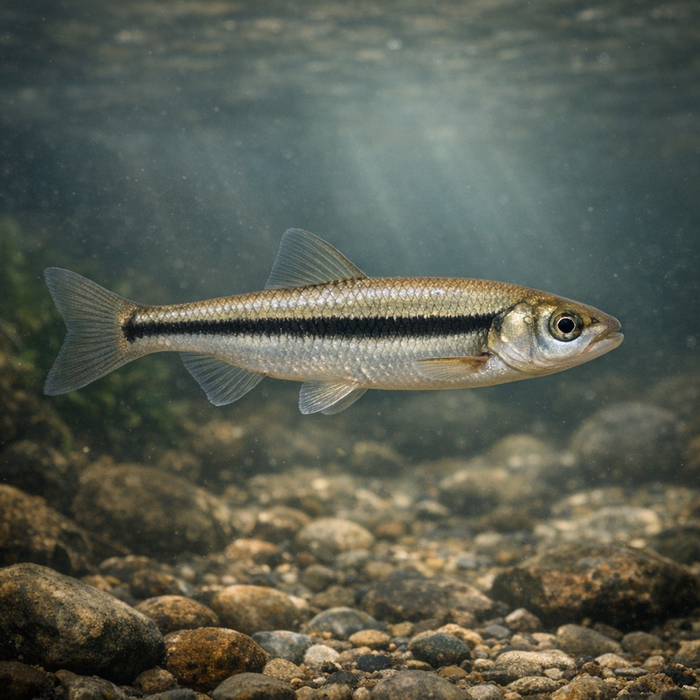
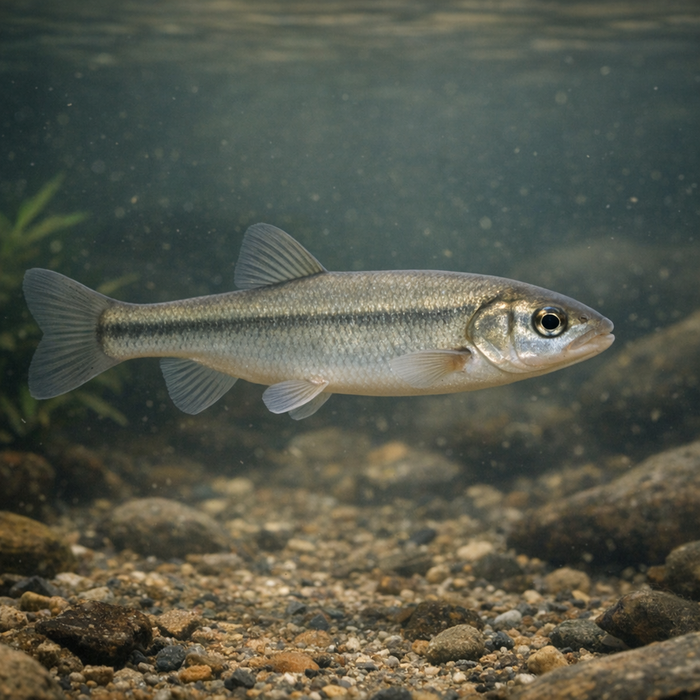
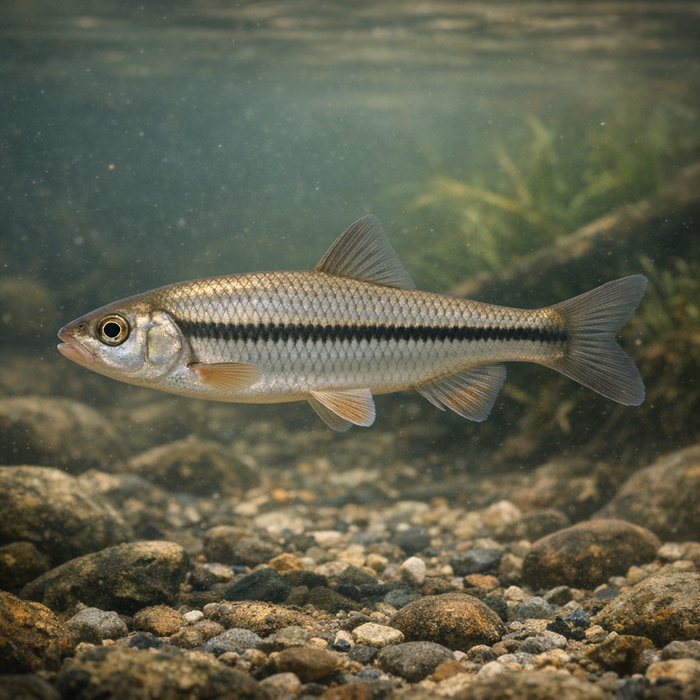
Blue Chub (Gila coerulea): The Klamath Basin's tough little workhorse that thrives when glamour species call it quits.IntroductionThe blue chub is a reminder that not every fish needs hype to be cool. It's native, scrappy, and perfectly dialed for a harsh, boom-or-bust landscape. While everyone else chases trout reports, this fish packs shoreline shoals, crashes tributary mouths, and keeps the food web humming even during gnarly algae blooms. If you want genuine Blue chub facts and a feel for true Blue chub habitat, you're in the right place.What Makes the Blue chub Unique?Start with the breeding suit. In spring, males can darken to charcoal with sharp blue highlights and orange-tinged fins, then sprout gritty breeding tubercles across head and sides. It's like nature gave them armor and neon at the same time. Add the sleek, pointed snout and subterminal mouth, a design built to vacuum drifting goodies with minimal drag. Finally, this species embraces the power of the crowd. Schools tighten by size and sweep the shoreline in rhythmic passes, then stage at tributary mouths before sprinting upstream to spawn when flows and temps line up.Habitat & Global RangeForget global. The blue chub is a Klamath Basin specialist, keyed to shallow, windswept lakes and slow, nutrient-rich rivers on the Oregon-California line. Picture alkaline water, weedy margins, sun-baked shoals, and tributaries that swing wildly with snowmelt and irrigation pulls. In Upper Klamath Lake and nearby waters, it feeds and grows in the lake but relies on stream gravels for spawning, a split life that weathers massive seasonal shifts. That tight home turf shapes everything about their behavior and makes finding them pretty straightforward once you lock onto the pattern.Behavior & TemperamentBlue chub are opportunists. They vacuum zooplankton one minute and pluck drifting insects the next, then mob a bait bit if it looks easy. They school, they cruise, and during the spawn they stack as thick as cordwood on shoals and creek mouths. They aren't bulldog fighters, but they're quick and twitchy, and a steady pick can turn into a near-constant bite window when the school loops back along the bank.Ecological ImportanceThis is biomass that moves. Blue chub convert plankton and insects into concentrated calories for birds, otters, and bigger fishes. In the Klamath Basin's algae-swinging, oxygen-yo-yo reality, they don't just survive; they stabilize. When trophy targets go lockjaw from bloom-driven stress, blue chub keep eating, growing, and feeding everything that relies on them. That makes them a foundational native, not a footnote.Conservation & Environmental PressuresStatus-wise, they're not on fire, but local pressures stack up. Water allocation, prolonged algae blooms, reduced tributary flows, and silted spawning gravels all chip at resilience. Add habitat fragmentation and seasonal dewatering risks, and you get a fish that can roll with punches but still needs working rivers and clean shoals to keep the cycle going. Because they're often lumped under the vague "chub" umbrella, specific data can lag, making targeted fixes slower.The FishyAF TakeIf you're measuring a fish by inches, you'll miss the point. Blue chub are about action, not ego. They're native, they school, and when conditions are miserable for headliners, they clock in and get it done. Want fast bends on ultralight tackle while the lake looks like pea soup? This is your fish. And if you're into real place-based fishing, learning blue chub patterns is like reading the Klamath's pulse. It's simple, honest, and surprisingly addictive. That's the kind of fishing we'll sign up for any day.