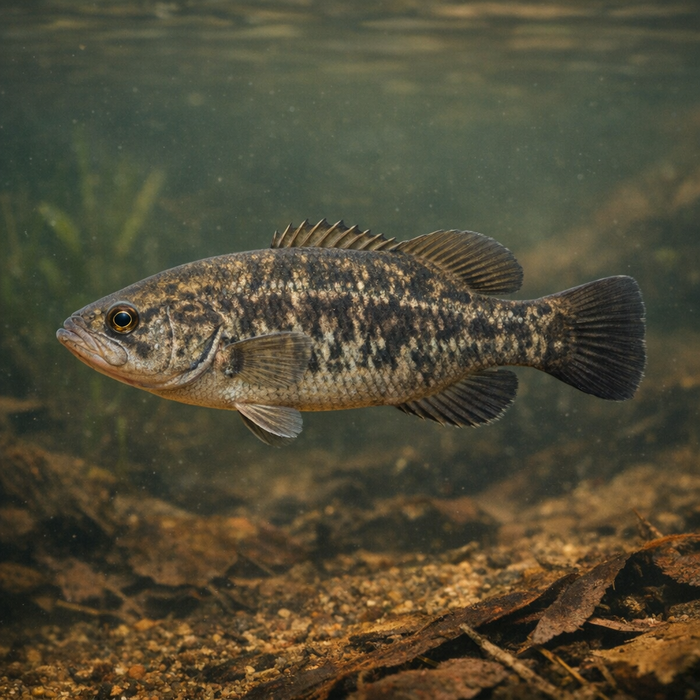
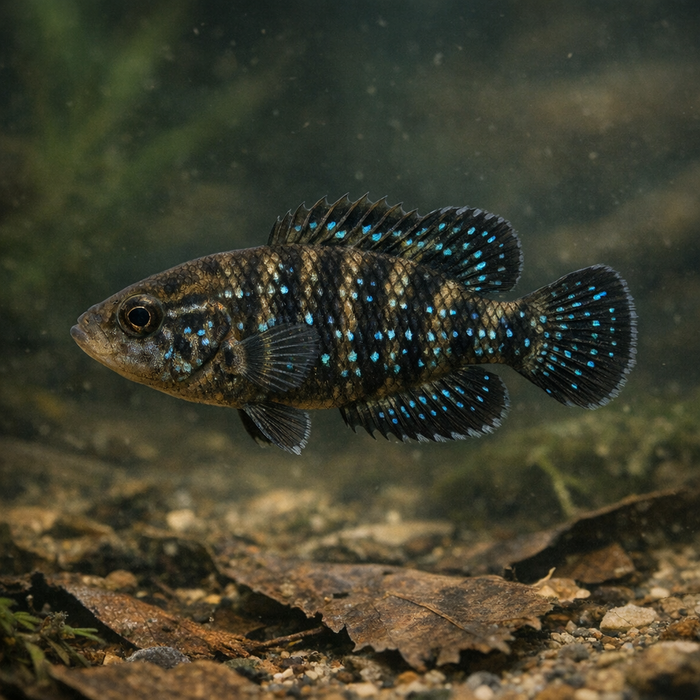
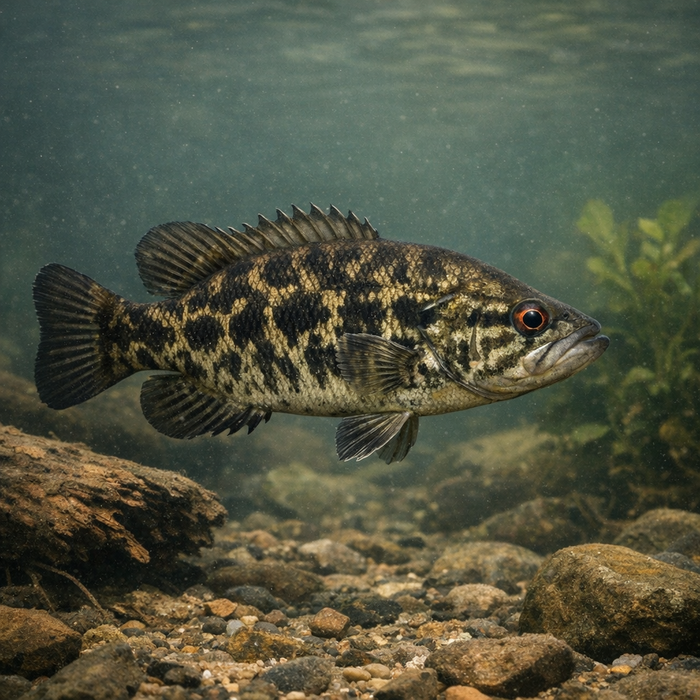
Blackstripe Pirate Perch (Aphredoderus ornatus): The stealthy swamp pickpocket with an anatomy plot twistIntroductionThe blackstripe pirate perch is the swamp's pocket-sized burglar, slipping in and out of root tangles while you squint at your float wondering who stole your worm. It's a microfish with a cult following, a master of blackwater invisibility, and living proof that small fish can be downright weird. If you're into obscure freshwater critters, here's your new obsession. Consider this your guide to real-deal Blackstripe pirate perch facts.What Makes the Blackstripe pirate perch Unique?Two things: first, the adult's urogenital opening migrates forward to the throat. That's not a rumor. It's a signature quirk that helps with their egg placement deep in root mats. Second, they practice chemical camouflage, masking the scent cues that would normally warn prey something toothy is nearby. Add a pre-caudal dark band and a shadowy paint job, and the blackstripe pirate perch becomes a magician in tannin-stained creeks. This combo keeps them fed, hidden, and annoying to anglers who like easy targets.Habitat & Global RangeThe blackstripe pirate perch thrives in lowland, tea-colored waters laced with woody cover. Think cypress knees, undercut banks, beaver lodges, and slow, silty creeks. They prefer slack edges, backwaters off main channels, and oxbows with leaf litter and dense weeds. Current is the enemy; stillness is home. While the broader pirate perch clan spans much of the eastern United States, this fish is most at home across the Southeast and Gulf drainages. If you're scouting new water, prioritize blackwater trickles, floodplain sloughs, and swampy puddles that make bass anglers roll their eyes. That's classic Blackstripe pirate perch habitat.Behavior & TemperamentThey're crepuscular to nocturnal, slipping from cover to pick off insect larvae, tiny crustaceans, and the occasional microfish. On the line they're not brawlers, but you'll earn your bites. They peck, test, and vanish. A slight dip of a pencil float can be the only clue you're in the presence of an expert thief. Their schooling instinct is weak; you'll pick singles or small clusters hugging wood. They move inches, not yards, trading sprinting for ambush angles. As stealth predators, they're the antithesis of splashy surface feeders. Watch the shadows, not the surface.Ecological ImportanceThe blackstripe pirate perch is a pressure valve in swamp food webs. It converts invertebrate biomass into fish biomass, feeds wading birds and bigger fishes, and excels in low-oxygen pockets where other predators sputter. That chemical camouflage research you've heard about isn't just trivia; it shows how nuanced predator-prey dynamics can be in dark-water systems. When floods connect backwaters, they spread energy throughout the floodplain, ferrying nutrients and serving as both predator and prey in a moving buffet.Conservation & Environmental PressuresGood news: overall status trends toward stable where habitat persists. Bad news: habitat is the whole story. Ditching wetlands, straightening creeks, yanking wood from channels, and cutting off seasonal flood pulses all squeeze this species. Polluted runoff and fine sediment bury the very root mats they use for spawning. Because they're small and rarely targeted, declines can fly under the radar until a swamp goes unnervingly quiet. Protect the soggy edges and you protect the fish. Lose the complexity, and the blackstripe pirate perch blinks out.The FishyAF TakeFor anglers, the blackstripe pirate perch is a patience test and a humility check. It rewards the sneaky: a tiny hook, a short cast, and a float barely buoyant enough to hold up a worm sliver. Don't expect a slugfest. Expect satisfaction by deduction. You worked the right cover, read the water correctly, and coaxed a bite from something designed to be unseen. If you're building a life list or chasing oddball species, add this one. Blackstripe pirate perch habitat is close to invisible until you learn to see it. After that, the swamps look alive, and you won't stop peering into the tangle.