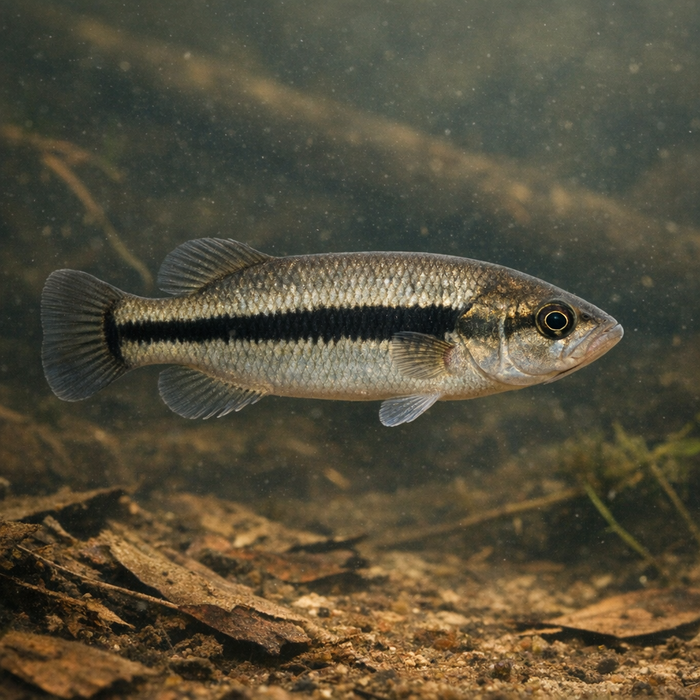
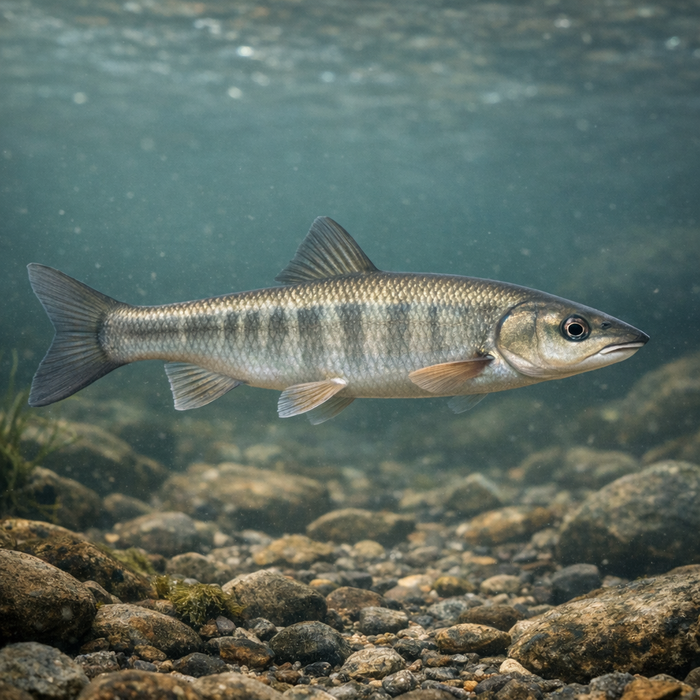
Lowland Pirate Perch (Aphredoderus retrodorsalis): The tiny swamp ninja with a weird party trickIntroductionYou won't mistake the lowland pirate perch once you know its secret. This small, secretive fish is built for the dark, tannin-stained mazes of southern backwaters, and it carries one of the strangest anatomical moves in freshwater: as adults, the vent migrates forward to the throat. It's not a bass, not a sunfish, and definitely not a minnow. It's a specialist with a sideways resume and a knack for vanishing into root jungles. If you're scouting lowland pirate perch habitat, think cover so thick you'd lose a shoe.What Makes the Lowland Pirate Perch Unique?First, that forward vent. Adult pirate perches can slip eggs into tight crevices and root mats where most fish can't even turn around. It's an evolutionary cheat code for stealth spawning. Second, the dorsal fin sits noticeably farther back than its northern cousin, which is baked right into the scientific name retrodorsalis. Third, the lowland pirate perch is nocturnal-minded and ambush-leaning, with big eyes and a delicate mouth that inhales insect larvae, tiny crustaceans, and whatever invertebrate buffet the swamp offers. It's subtle, but ruthless in its niche.Habitat & Global RangeThe lowland pirate perch stays low, preferring tannic sloughs, backwaters, oxbows, and slow creeks laced with cypress knees, hyacinth, and blowdowns. Expect shallow, tea-colored water and labyrinthine cover. It is a Southeastern U.S. Coastal Plain regular, favoring quiet water over current, mud and leaf litter over clean gravel. If you're gathering Lowland pirate perch facts to plan a hunt, prioritize still, dark places that look unfishable. Seasonal movement is modest: higher water opens new pockets, low water pulls fish into the deepest tangle nearby. It's more micro-range-hopping than true migration.Behavior & TemperamentThe lowland pirate perch is a master of the freeze. Spook it and it locks up in the cover, not sprint to open water. It feeds tight to structure, often near bottom, picking off small, soft-bodied prey. Bites are feather-light. Think micro taps and bait inhaled only to be spit at the first sign of tension. Nights, dawn, and cloudy afternoons are prime. Daytime action exists, but shade and overhead junk help. Small groups can share a good tangle, but schooling isn't really the play; it's more like quietly coexisting in the same micro-neighborhood.Ecological ImportanceCall it small but consequential. The lowland pirate perch converts clouds of aquatic insects and tiny crustaceans into fish biomass, while serving as prey for larger swamp hunters. By sneaking eggs into hard-to-reach cavities, it spreads reproductive effort across countless micro-nurseries, hedging bets in fickle water levels. It's also a bellwether for healthy backwater systems. If those tannic pockets hold oxygen, leaf litter, and invertebrates, pirate perch hang around; if they vanish under dredging or development, the little weirdos go missing.Conservation & Environmental PressuresMost pressure is habitat pressure. Silt-choked ditches, altered flows, herbicide blasts on vegetation, and development can erase the messy edges this species needs. Because the lowland pirate perch often occupies forgotten corners, it can be overlooked in surveys and management plans. Water quality matters too. Nutrient spikes and low-oxygen slumps crush invertebrate production, which in turn thins out pirate perch. The fish isn't headlining endangered lists, but that's not a free pass. Protecting lowland pirate perch habitat means protecting the swamp's plumbing, not just the postcard river channel.The FishyAF TakeIf you love clean casting lanes and easy bites, skip this fish. The lowland pirate perch demands crawling into the mess, trimming hooks to insect size, and fishing like a ninja. It's not about hero shots; it's about solving a micro puzzle no one else is playing. Want Lowland pirate perch facts you can use? Go at dusk, go light, and aim for the thickest, darkest junk you can reach. The payoff is a fish so specialized it feels like contraband. Small? Sure. But for anglers wired for oddities, this one's pure gold.