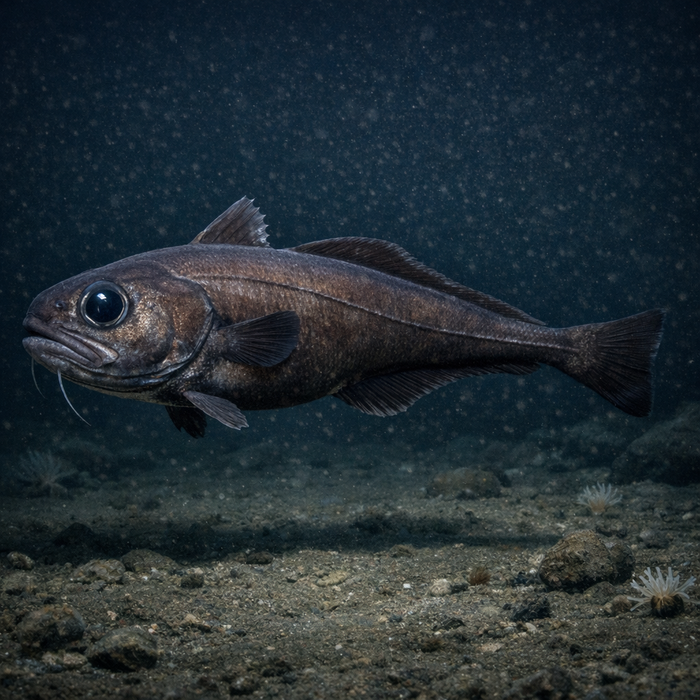
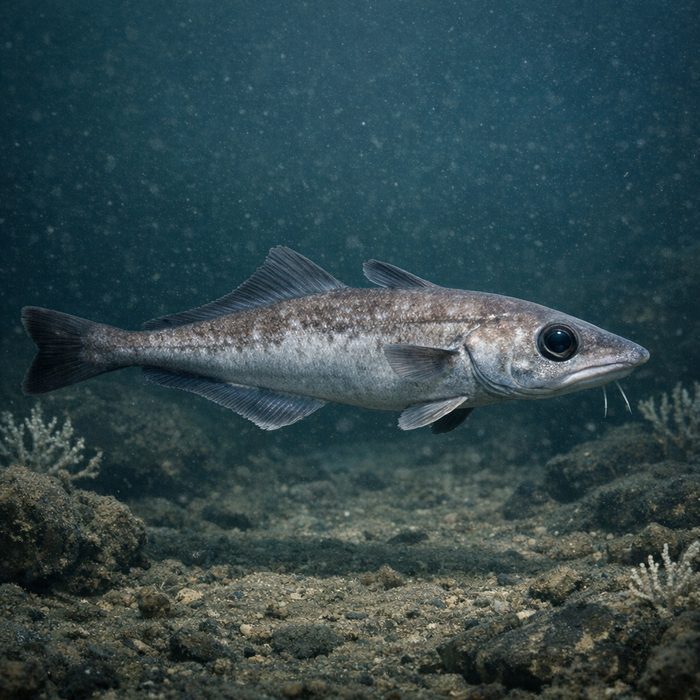
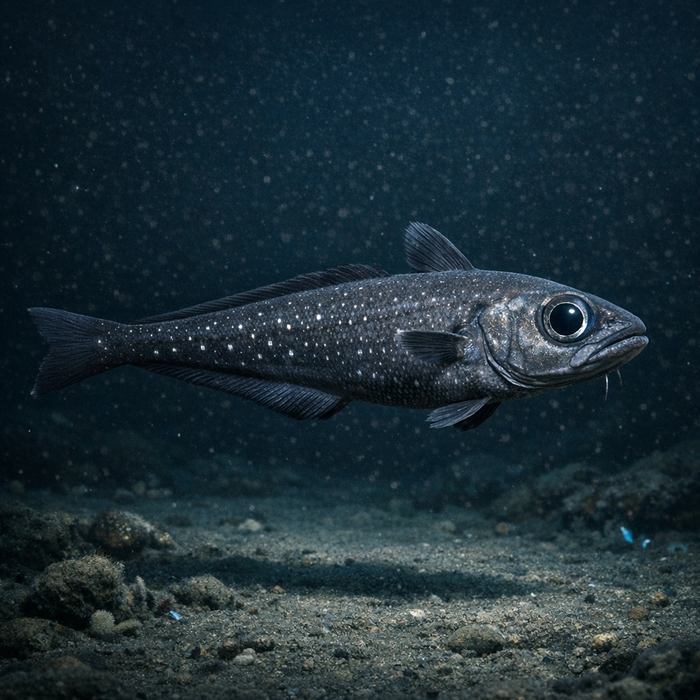
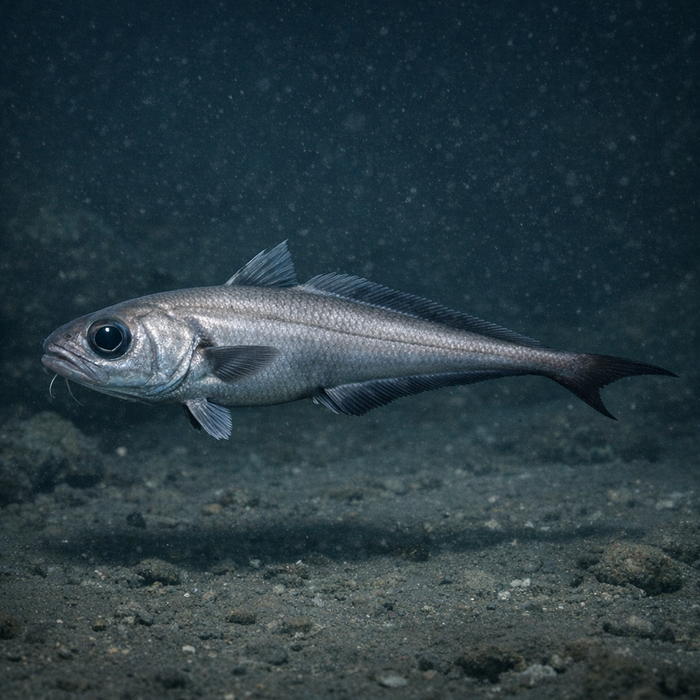
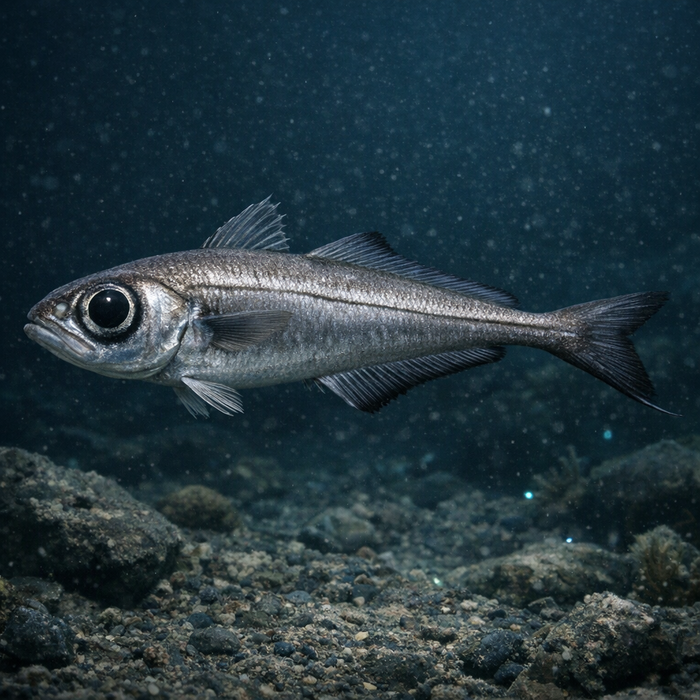
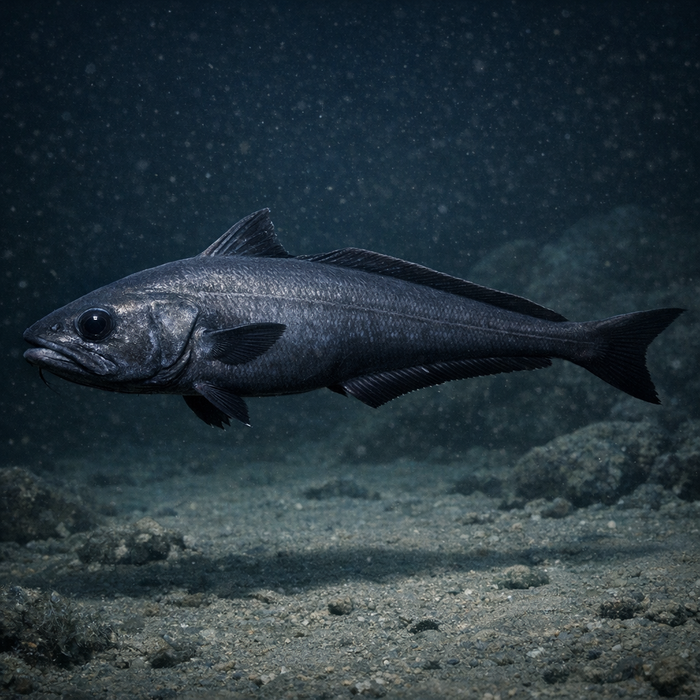
Blue Antimora (Antimora rostrata): Big eyes, cobalt attitude, and deep-sea mystery in a torpedo suit.IntroductionThe blue antimora is that shadow on your sounder you swear is broken because it's so far down. It's the big-eyed, steel-blue denizen of continental slopes that occasionally rides a deep-drop rig to daylight and makes everyone on deck say, "What is that?" This is the deep-water cod cousin that shows up when you fish where weather, current, and patience all start charging overtime.What Makes the Blue antimora Unique?Start with those eyes. They're oversized, reflective, and tuned for twilight, letting the fish work comfortably where light is a rumor. Then there's the body: long, lean, and built to cruise canyon edges and rises without wasting a calorie. Finally, the name. Despite being called blue hake in some ports, Antimora rostrata is a morid cod, not a true hake. Translation: this thing is a specialist in cold, dark, high-pressure neighborhoods.Habitat & Global RangeIf you're collecting Blue antimora facts, put this high on the list: it's practically global. The species roams deep continental slopes and rises across the Atlantic and into other ocean basins, especially between a few hundred and a couple thousand meters. Think canyon walls, seamount flanks, and broken bottom where currents squeeze along structure. The blue antimora habitat is the bathyal zone, not the beach. You don't stumble into these fish; you have to go where the planet drops off.Behavior & TemperamentThis is a methodical cruiser, not a sprinter. Blue antimora pick along bottom edges, snacking on shrimps, small fishes, and whatever the current sweeps downslope. They're not particularly wary once you reach them, but the fight is often abbreviated because of barotrauma. Expect a few telling head-thumps and steady weight rather than fireworks. They may move up or down the slope with current and prey, using the terrain like a highway system.Ecological ImportanceDeep slopes are the big arteries of the ocean, moving energy from midwater to the seafloor. Blue antimora are part of that conveyor belt, turning lanternfish and crustaceans into biomass that feeds larger predators and, occasionally, a lucky angler. Their pelagic eggs and larvae can drift widely, linking distant habitats. As mid-level predators of the deep, they help keep the mesopelagic buffet honest.Conservation & Environmental PressuresDespite a wide range and a reputation for being relatively common down there, deepwater life isn't bulletproof. Trawling on slopes, climate-driven shifts in oxygen and temperature, and expanding fishing pressure into ever-deeper grounds all matter. Blue antimora often show up as bycatch in deep fisheries, and while current assessments lean toward stability, the data stream is thinner the deeper we go. Any future management will likely ride on broader deepwater complexes and habitat protections.The FishyAF TakeIf your idea of fun is chasing critters nobody on the dock can immediately name, the blue antimora belongs on your list. It's the quintessential deep-drop surprise: all chrome and eyes, looking like it time-traveled from the abyss. You won't get a blistering run; you will earn the catch with miles of water under your boat, pounds of lead, and a plan. And when that cobalt cod cousin pops through the dark, you get a story most anglers never will. That's a trade we'll take every day.