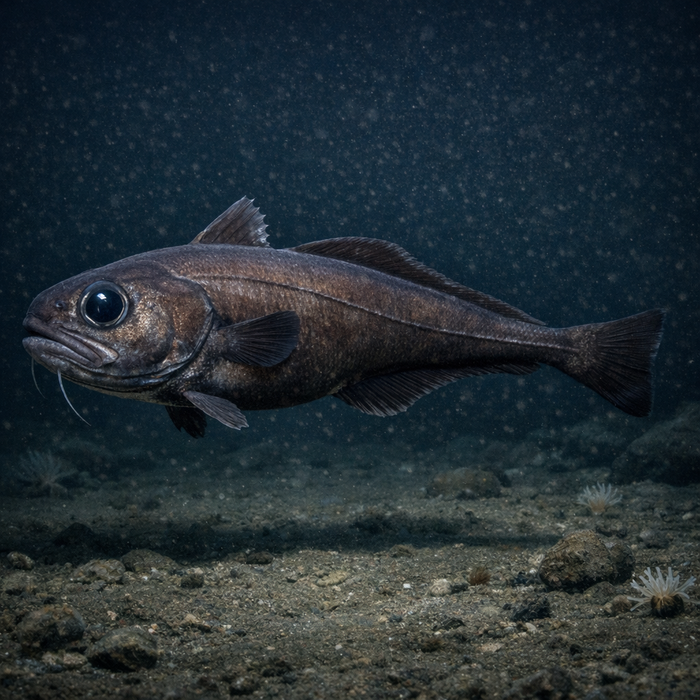
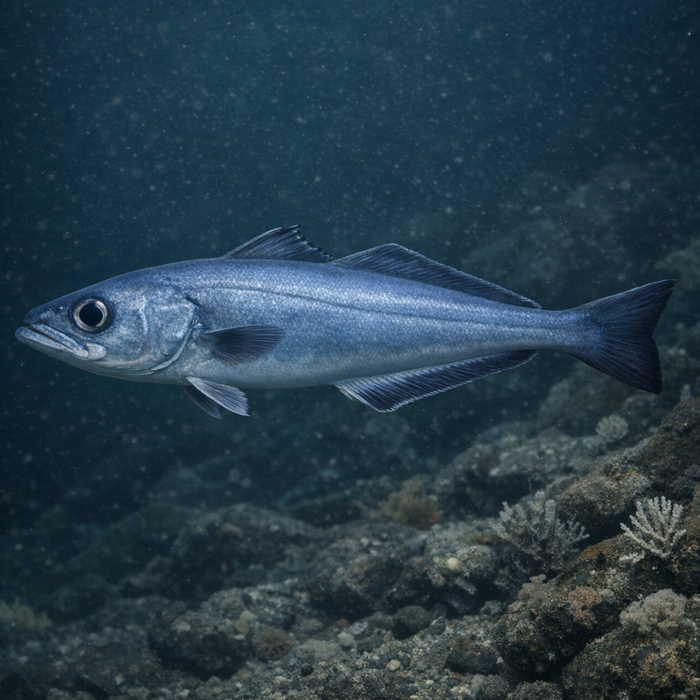
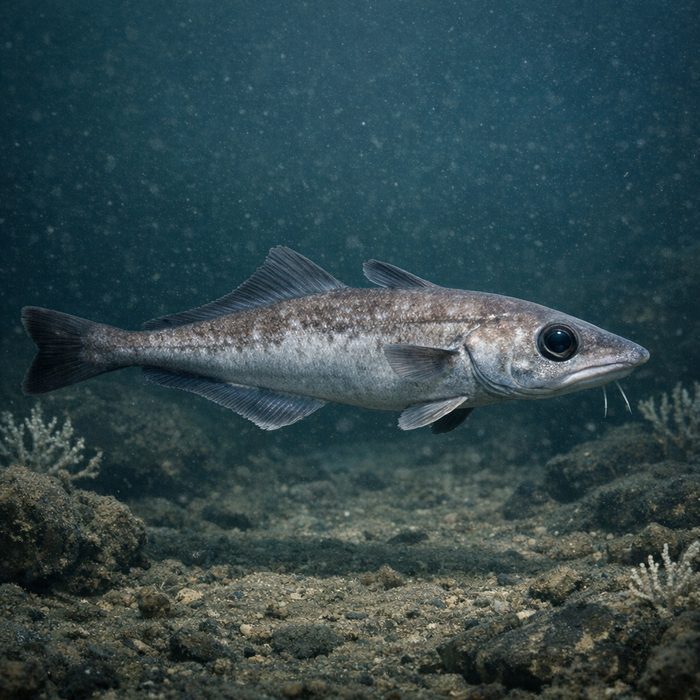
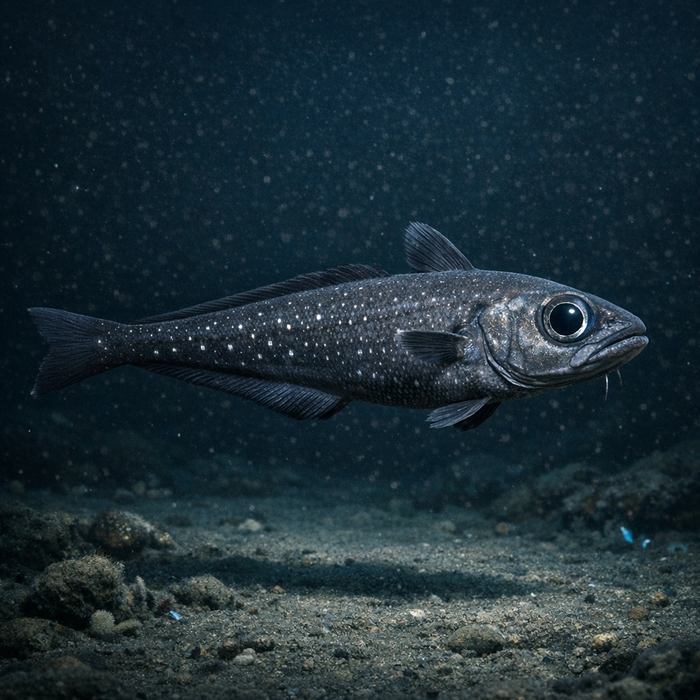
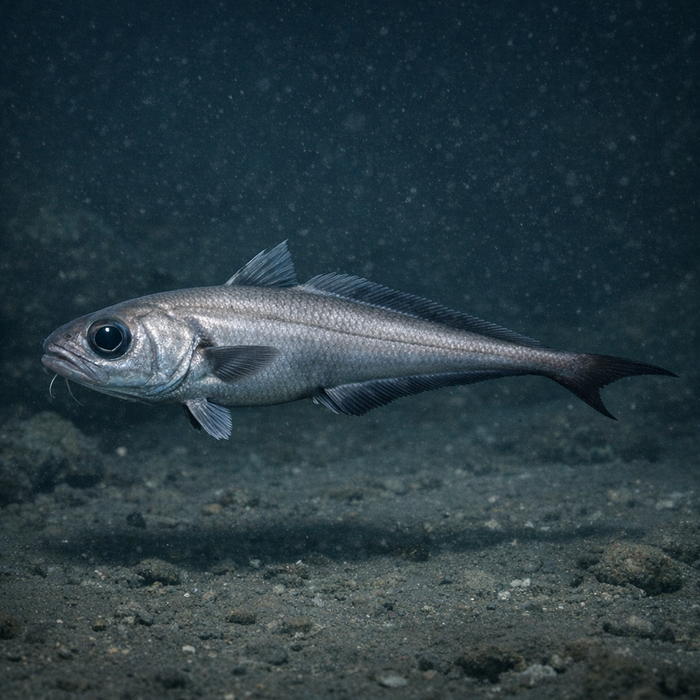
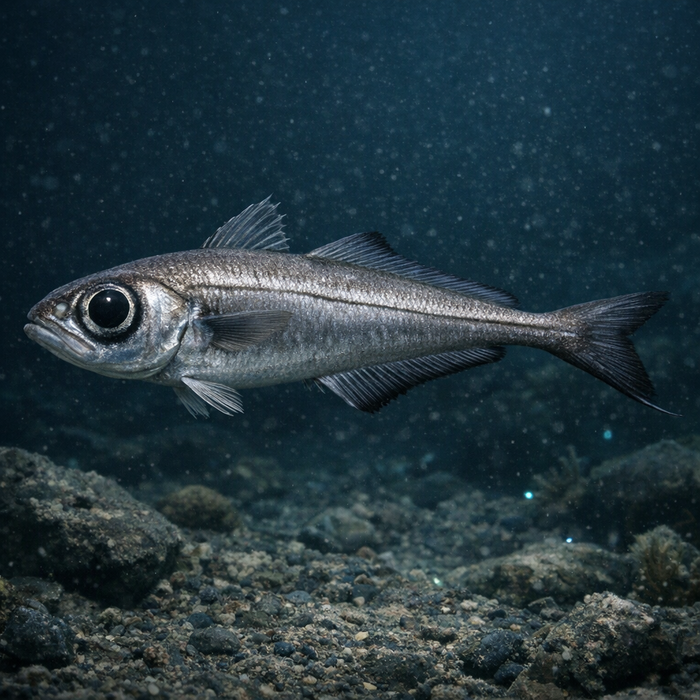
Vaillant's Grenadier (Bathygadus melanobranchus): Black-gilled slope dweller with a tail that won't quitIntroductionVaillant's grenadier is the deep ocean's version of a janitor with night-vision goggles. It prowls the continental slope far below the sunlight, vacuuming life off muddy bottoms with a long, tapering tail and big, glassy eyes. You probably won't set out to target it, but if you deep-drop long enough, this black-gilled oddball will show up and make you crank like you owe the ocean money.What Makes the Vaillant's grenadier Unique?Start with the namesake trait: the gill membranes are jet black. The scientific epithet melanobranchus literally means black-gilled, and it's a dead giveaway when you're ID'ing fish at the rail. Add in the caricature silhouette: big head, slim body, and a tail that makes up more than half the total length. Vaillant's grenadier also sports outsized eyes tuned to faint glimmers in the dark, a serious upgrade when your dinner plans involve dimly lit prey scuttling across the abyssal floor.Habitat & Global RangeIf you're searching for Vaillant's grenadier habitat intel, think deep and steeper than your average bottom. This species works the continental slope's mud and sand between roughly 400 and 1,500 meters, often near canyons, gullies, and subtle contour changes where current carries food. It isn't a reef fish in the coral sense, but it does appreciate edges. Most recreational encounters come as bycatch while deep-dropping for tilefish, wreckfish, hake, or blackbelly rosefish along offshore slopes. It shows a wide Atlantic footprint, but anglers experience it as a local surprise rather than a predictable target.Behavior & TemperamentVaillant's grenadier is not a sprinter. It's a patient, bottom-oriented predator with a slow cruise speed and a vacuum-cleaner approach to feeding. Bites are usually honest, not violent, and the fight rarely feels like a slugfest. What you feel is weight, drag, and a long, stubborn elevator ride through hundreds of meters of water. Still, the fish isn't clueless. Current matters. Soft edges, gentle rises, and any bottom texture that corrals drifting morsels can turn a dead zone into a grocery aisle.Ecological ImportanceDown on the slope, recycling is life. Vaillant's grenadier helps move energy from the seafloor up the chain by picking off invertebrates and small fishes moth-eaten by pressure and darkness. It also becomes prey for larger deepwater predators. Scientists value it as a bellwether for deep-slope communities; otoliths and catch data help reveal growth rates, age structures, and how the deep ecosystem responds to fishing pressure and climate shifts. If you're collecting Vaillant's grenadier facts, add this: that black gill feature is more than a party trick. Dark tissues can reduce stray reflections around the gills, a useful adaptation in a world where stealth eats.Conservation & Environmental PressuresThis species isn't a poster child for conservation campaigns, but deepwater trawling touches its neighborhood. Habitat scarring and bycatch can impact slow-growing slope fish. The species is often listed as not evaluated, so hard stock numbers are thin. That uncertainty alone argues for a conservative approach: handle gently, take clear ID photos, and keep only what's legal and already mortally barotraumatized. Deep-slope communities recover slowly; patience is the tax you pay for mystery.The FishyAF TakeVaillant's grenadier is the deep-drop curveball you brag about to three friends who actually get it. It's not glamour; it's grit. If your plan includes electric reels, two pounds of lead, and a thousand meters of hope, this fish belongs on your bingo card. The payoff isn't a screaming drag or a magazine cover. It's proof you went far, fished smart, and touched a corner of the ocean most folks only see on nature docs. Respect the depths, log your data, and let the black-gilled weirdo remind you why offshore still feels wild.