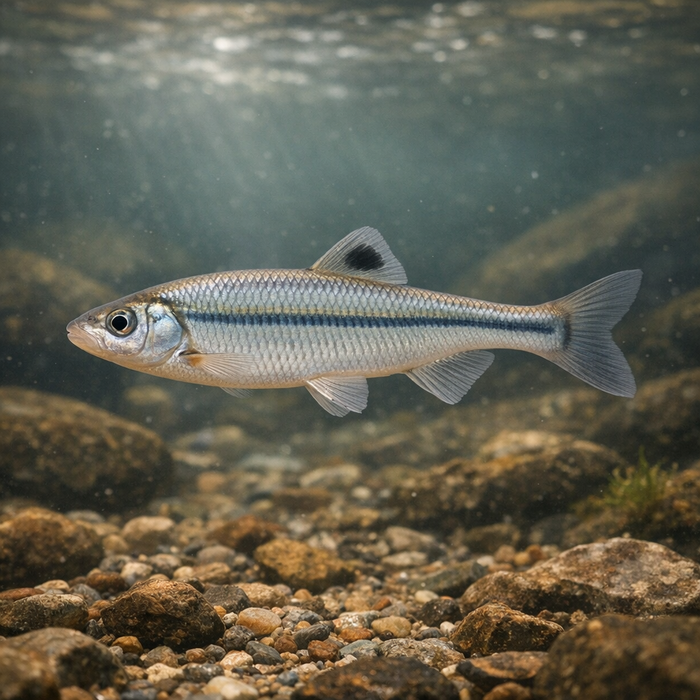
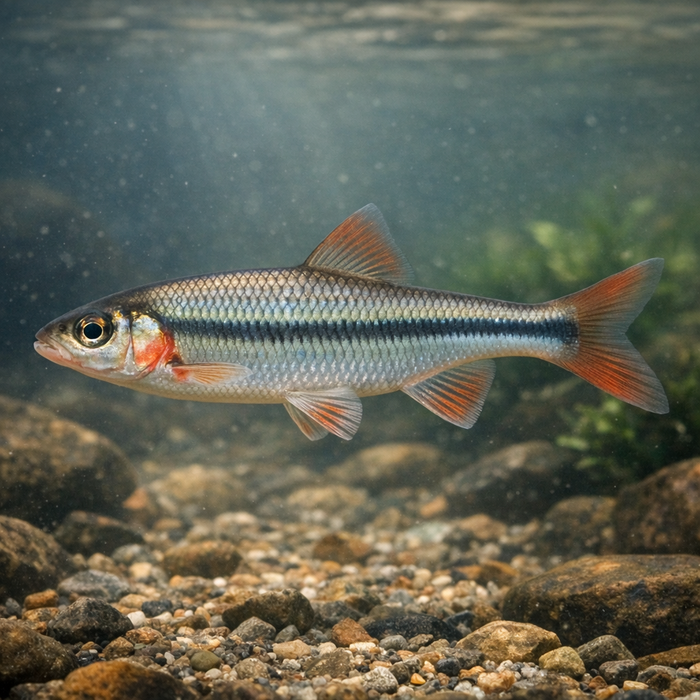
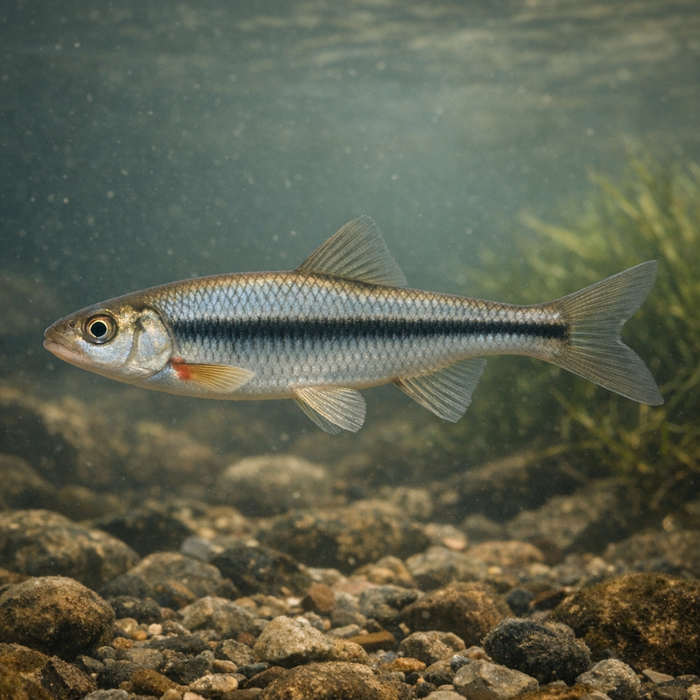
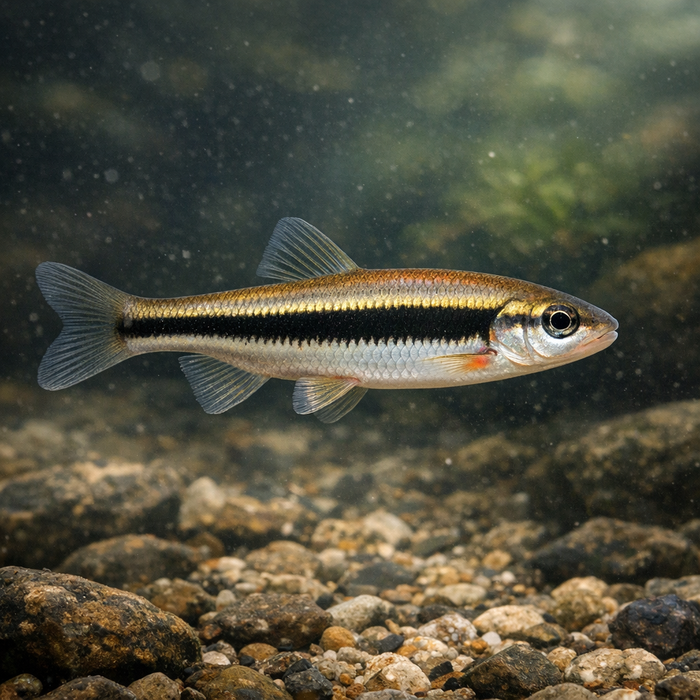
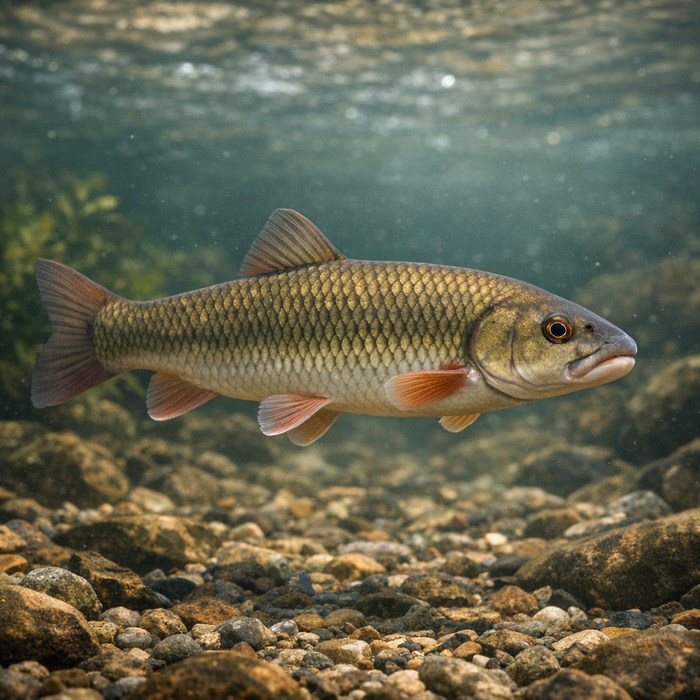
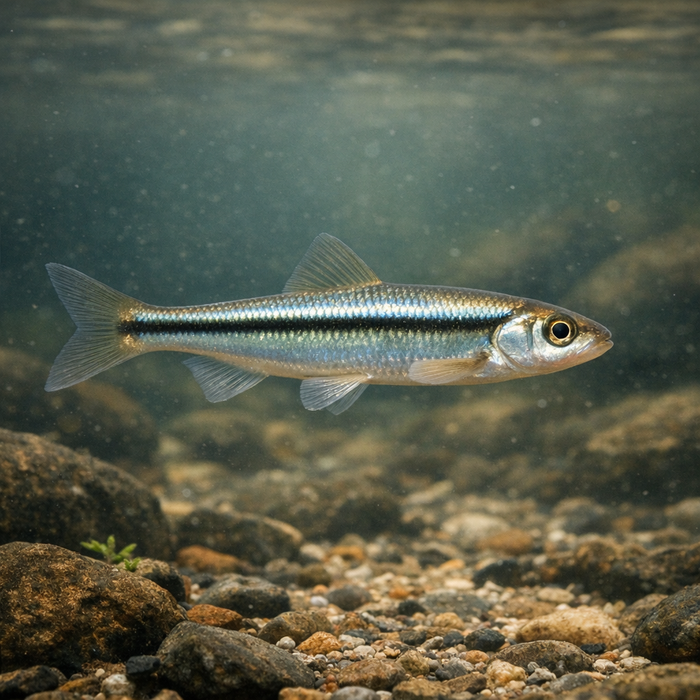
Blue Shiner (Cyprinella caerulea): Small Fish, Big Drama In Flashing BlueIntroductionMeet the blue shiner, a pocket-sized river rocket that turns riffles into a light show every spring. It won't spool your drag or win a weigh-in, but when males light up in electric cobalt and strafe the current like tiny torpedoes, you'll forget it's only a few inches long. This fish is proof that charisma isn't measured in pounds.What Makes the Blue shiner Unique?Two things: color and attitude. First, the nuptial blaze. Breeding males of the blue shiner go vivid blue with sharp white fin tips, a look that screams high-octane spawn mode. Second, they're crevice spawners. Instead of building a nest, they pack eggs into cracks in rocks. Males guard those cracks like bouncers at a club, head-butting rivals with sandpapery tubercles. The combination of chrome flash, cobalt glow, and crash-helmet behavior is pure river theater.Habitat & Global RangeLet's talk blue shiner habitat. Think crystal runs, mid-depth riffles, and gravel shoals with clean, well-oxygenated flow. Heavy silt is a deal-breaker. The species is a Mobile Basin specialist, historically tied to select tributaries in the Southeast, especially within the Coosa system. That narrow footprint means each viable riffle matters. Lose the gravel, slow the flow, and the blue shiner checks out. If you're collecting Blue shiner facts, start here: habitat quality rules everything.Behavior & TemperamentSchooling is the move. Blue shiners run in small to moderate groups, feeding midwater and darting into current seams with almost hummingbird urgency. They're quick, glassy-eyed pickers, nailing drifting invertebrates and micro bits with surgical strikes. Spawning season brings full-on swagger. Males posture, shove, and defend their chosen rock cracks, all while flashing that cobalt paint job. They're wary but not timid, pacey but purposeful, and they treat clean current like oxygen on tap.Ecological ImportanceThe blue shiner is a bellwether for river health. These fish demand clear water, steady current, and clean gravel. When sediment loads surge from sloppy land use or channelization, this species is among the first to vanish. Keeping blue shiners thriving often aligns with keeping mussels, darters, and other riffle specialists happy too. Protect their shoals and you protect an entire neighborhood of current-loving natives.Conservation & Environmental PressuresThis species has taken hits from siltation, dams that flatten shoals, and poorly timed dredging. Invasive bait-bucket releases of red shiner can also cause trouble via competition or hybridization. Because the blue shiner is listed for protection in many places, active restoration focuses on sediment control, flow management, and reconnecting suitable riffles. Success shows up fast when gravel stays clean and current returns: schools rebuild, males color up, and the riffles come back to life.The FishyAF TakeThe blue shiner is the poster child for why small fish deserve big respect. You won't chase a 10-pounder here; you'll chase river perfection. If you glimpse a male blazing sapphire over a sunlit shoal, you've found the good stuff: cold, clear, moving water doing exactly what it should. Blue shiner habitat isn't just where a fish lives. It's a quality stamp on a river. Keep the gravel clean, keep the flow honest, and the blue shiner pays you back in pure visual fireworks. That's a trade any angler should back, even if all you "catch" is a few unforgettable seconds of cobalt.