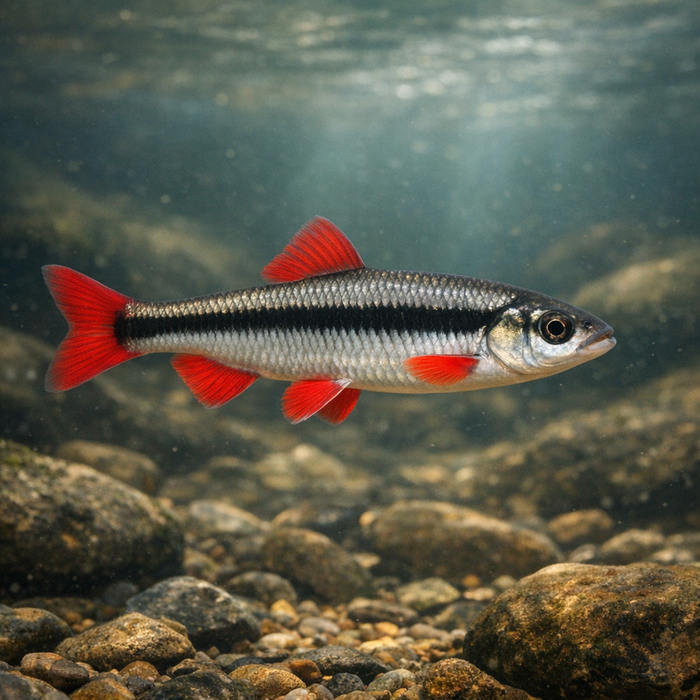
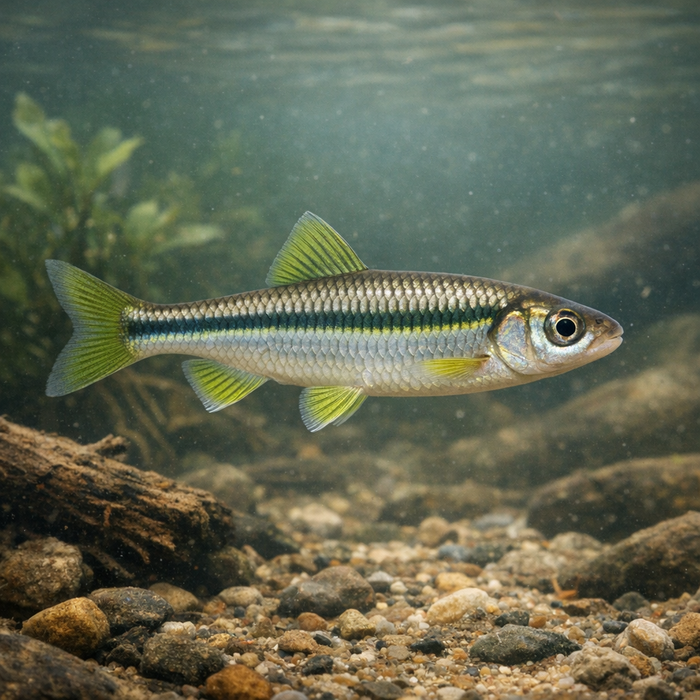
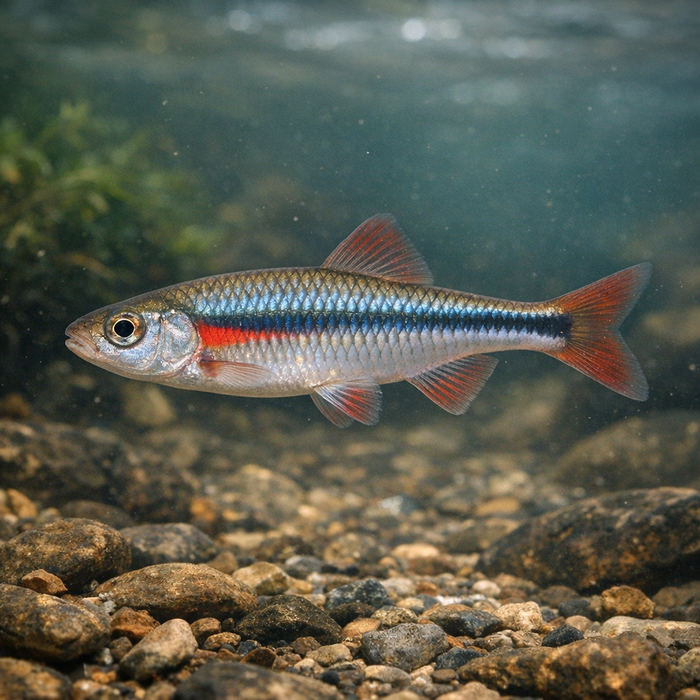
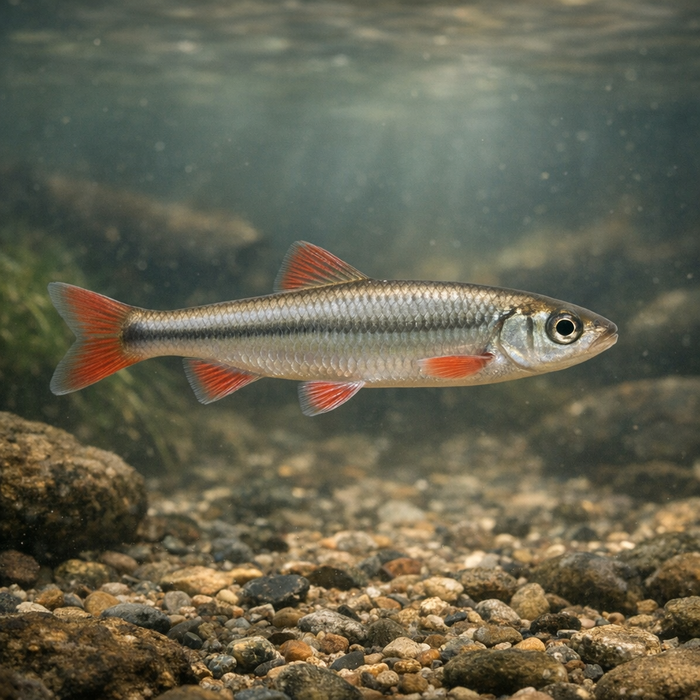
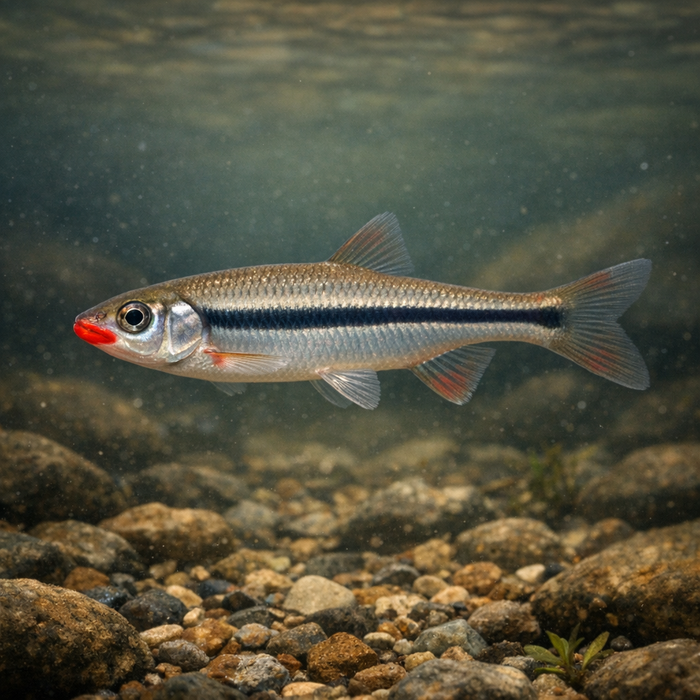
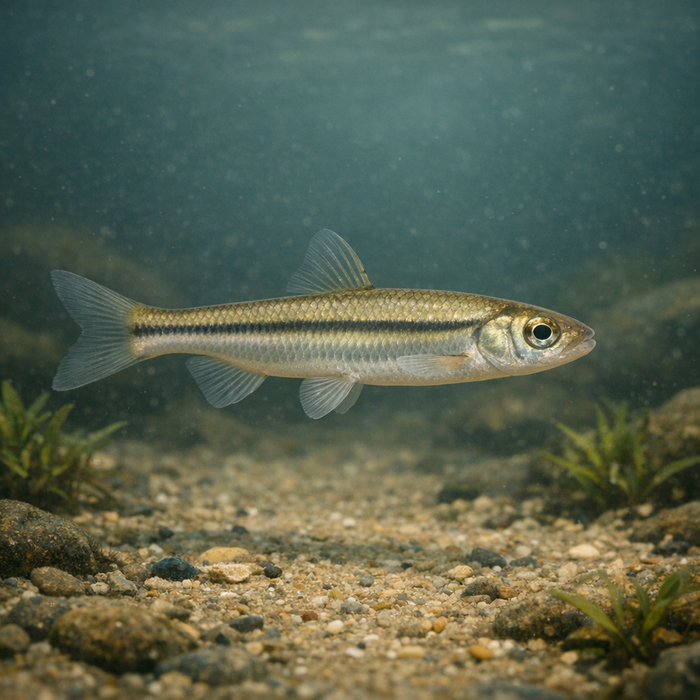
Bull Chub (Nocomis raneyi): The Stone-Moving Engineer Of The RifflesIntroductionThe bull chub is the blue-collar engineer of the creek: big-headed, rock-hauling, and weirdly charismatic once you watch one work. You may not see it on magazine covers, but hang out near a gravel riffle in spring and you will see why this fish runs the job site. If you are digging for real Bull chub facts and want the short course on what makes this fish tick, you are in the right water.What Makes the Bull chub Unique?Two things jump out. First, construction. The bull chub carries mouthfuls of pebbles to build hefty mounds, then buries and guards the eggs. That nest turns into communal spawning real estate for other minnows, which pile on like it is prime beachfront. Second, attitude. Breeding males grow head-spikes called tubercles and shove anything that wanders too close. Add the blunt snout and heavy jawline, and you get a minnow that looks like it could anchor a softball team.Habitat & Global RangeCall this the gravel loyalist. Bull chub habitat typically means clear, moderate-gradient streams and small rivers with riffles, runs, and clean pea-to-cobble gravel. They set up shop below riffles, on pool tails, and along undercut banks where current seams deliver drifting insects. You will encounter them across Atlantic-slope drainages of the southeastern United States, especially Virginia and North Carolina waters. They are creek-forward, not reservoir cruisers, and they avoid silt-choked stretches where their nests would get clogged. If you want to narrow the search, scout for that perfect riffle feeding into a knee-deep run with a firm, crunchy bottom.Behavior & TemperamentBull chub behavior flips between chill and foreman mode. For most of the year, they feed deliberately near the bottom, picking off nymphs, small invertebrates, and the occasional morsel that drifts by. When spawning kicks off in late spring, males establish territories on their mounds and the mood changes. They ram, chase, and patrol like bouncers. Outside the spawning window, they are cautious in glass-clear water and will ghost away from clumsy wading. They are not powerhouse fighters, but on light line they dart, surge, and can shake a tiny hook if you give them slack.Ecological ImportanceHere is the part many anglers miss. Those rock piles are not just nests. They are ecological infrastructure. Bull chub clean and stack gravel that stays oxygenated, then act as landlords for a whole cast of nest associates, which drop eggs into the mound and benefit from the male's housekeeping. That boosts recruitment for multiple species and helps keep the riffle substrate from getting matted with silt. In plain speak, when bull chub thrive, the stream's small-fish community tends to run stronger.Conservation & Environmental PressuresThe bull chub is not a headline species, which is both blessing and curse. It handles natural flows well but struggles when sediment, nutrient overload, or chronic low flows gum up the works. Silt buries gravel, dams flatten riffles, and poorly designed culverts fragment movement to spawning sites. Add bank erosion and storm pulses that deliver mud, and nest success drops fast. Fortunately, the fix is familiar: protect riparian buffers, keep sediment out of the channel, and maintain flows that keep riffles breathing. When those boxes are checked, bull chub bounce back quickly.The FishyAF TakeThe bull chub will never win a beauty pageant, but it wins our respect. It is the small-water foreman that builds habitat by mouth and guards it like a bulldog. For anglers, it is a willing, honest bite on worms, small nymphs, or micro-jigs, the perfect target when you are scratching the creek itch and want to learn a run. If you care about stream health, you care about the fish that stack the stones. File this one under underrated and essential, then go meet one where the riffle hums. That is the real Bull chub habitat lesson baked into a fish.