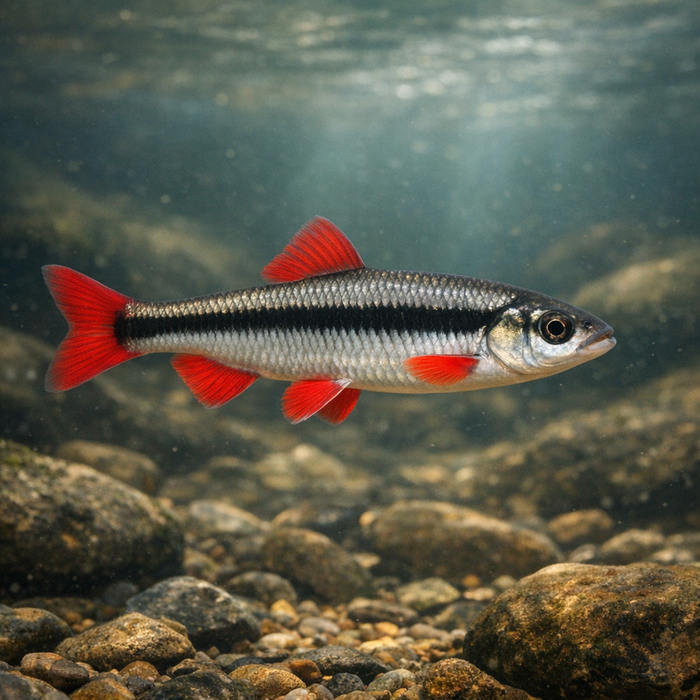
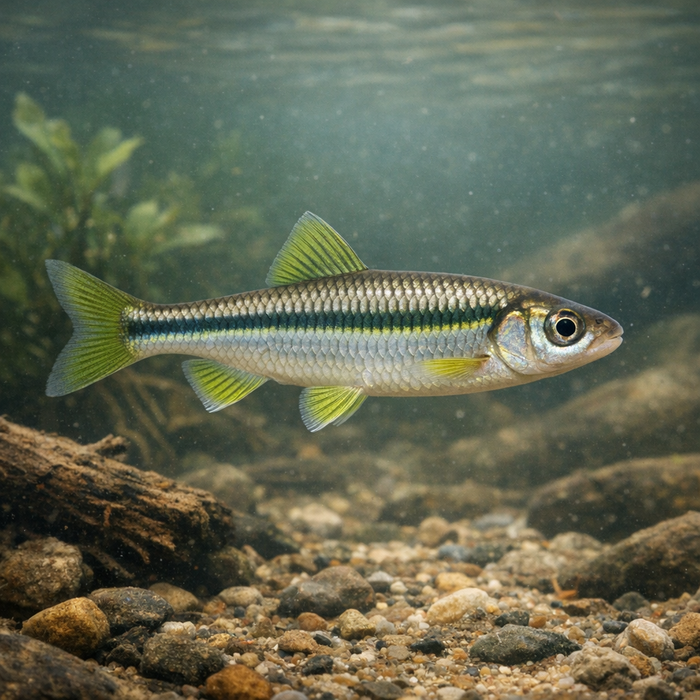
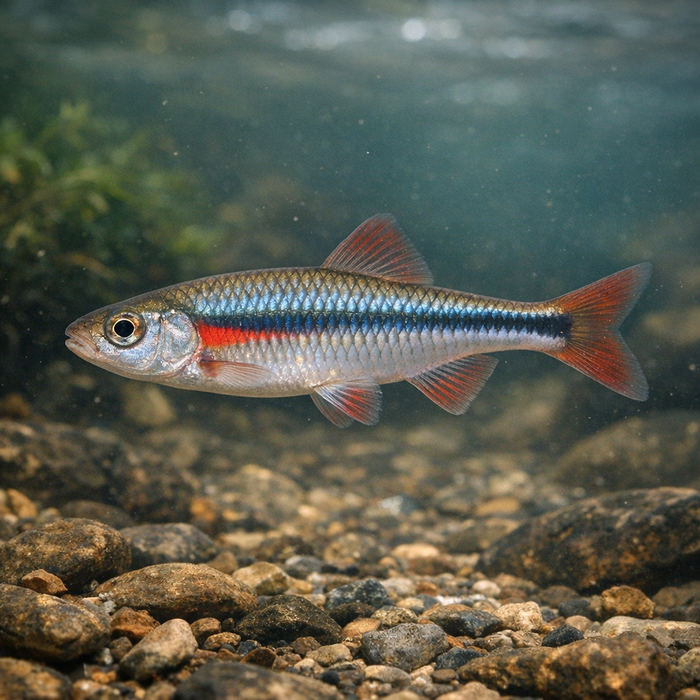
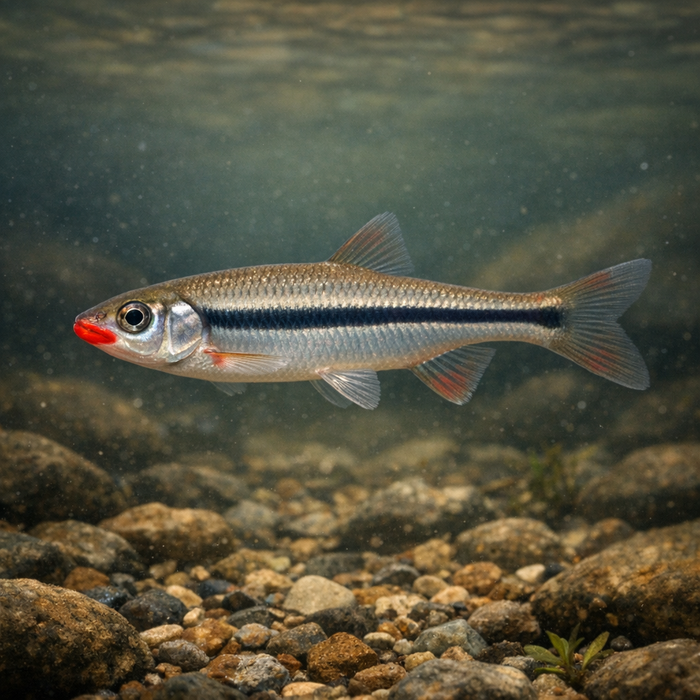
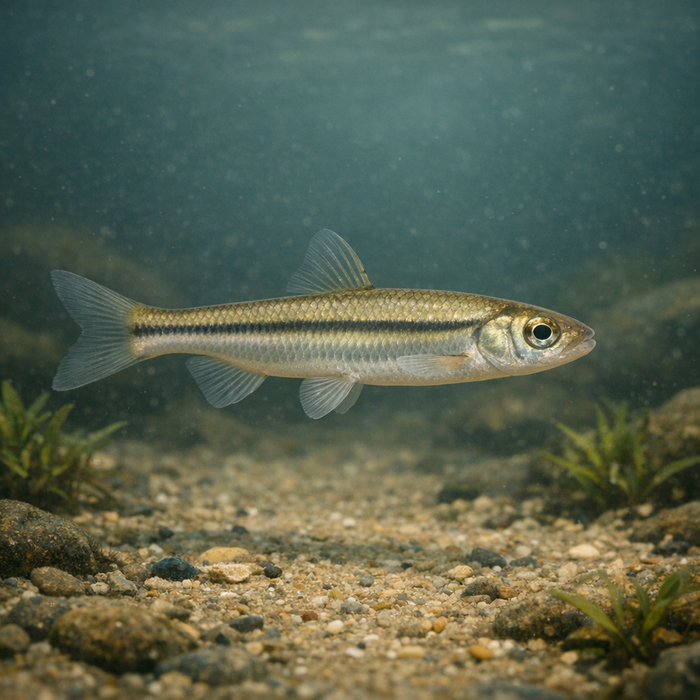
Pinewoods Shiner (Lythrurus matutinus): Dawn-colored speedster of the Carolina sandhillsIntroductionThe Pinewoods shiner is proof that not every worthy catch needs a big net or a brag board. This tiny, tea-stained torpedo blinks in and out of blackwater glare, then wrecks your micro hook like a pickpocket. If you're curious, patient, and just a little bit obsessive, the Pinewoods shiner becomes a very fun puzzle. Consider this your crash course in Pinewoods shiner facts, with an eye toward what matters to anglers.What Makes the Pinewoods shiner Unique?Start with the name: matutinus means morning, and that's not a coincidence. At first light, males fire up with rosy fins and a metallic sheen, then throttle back as the sun climbs. The Pinewoods shiner also embraces sand like it's currency. Clean, shifting grains are its stage for schooling, spawning, and sprinting. And while plenty of minnows sparkle, this one throws color with attitude during the warm season, making it surprisingly photogenic for a fish that rarely tops three inches.Habitat & Global RangeHere's the headline Pinewoods shiner habitat note: think Southeastern sandhills and coastal plain creeks, especially blackwater trickles shaded by pines, cypress, and wiregrass. Picture tannin-stained flows, undercut banks, and root-laced bends with patches of bright, sugar-fine sand. Depth is modest; most action lives in knee-deep runs or shin-deep glides. These fish value clean substrates and gentle current, ducking into woody cover when spates roll through. Distribution is regional rather than continental, which is why most anglers outside the Southeast have never heard of them.Behavior & TemperamentThe Pinewoods shiner is a schooler with jitters. It'll stage midwater over sand, slide around a root ball, then ghost downstream in the surface shimmer. Dawn is go-time; they graze drifting inverts, nip at micro bits, and posture in short, flashy sprints. Spawning unfolds across the warm months in pulses, not just one big blast. They're not bruisers, but on 2-pound mono or a 3-weight, a darting school of Pinewoods shiner can still bend your fun meter. Presentation matters: soft landings, tiny hooks, and low-profile approaches outfish heavy-handed plunking.Ecological ImportanceSmall fish, big job. The Pinewoods shiner turns insect production into calories for the food web, bridging bugs to bass and sunfish. In blackwater creeks where visibility runs like iced tea, these minnows help cycle energy through shallow runs that bigger fish ignore until feeding time. Their fast turnover keeps populations resilient after droughts, but also vulnerable if sand beds clog with silt. When Pinewoods shiner schools thin out, it's often a red flag for habitat getting choked or flow regimes getting weird.Conservation & Environmental PressuresThe Pinewoods shiner is generally considered secure where habitat stays clean. That's the catch: sandhills streams don't love bulldozers, straightened ditches, or chronic sediment. A single storm after poor erosion control can paste over spawning patches for a season. Add low summer flows and warmed-up water, and things slide fast. Because the Pinewoods shiner leans on specific substrates and modest current, it doesn't shrug off alteration the way some rough-and-tumble minnows can.The FishyAF TakeIf you want to broaden your angling brain, chase a Pinewoods shiner. Not for dinner, not for clout, but for the thrill of cracking a tiny code. Kneel by a sand patch, shade your eyes, and watch the midwater flickers. You'll learn stealth, precision, and how to read current that barely ripples. You'll also pick up a deep respect for these blackwater threads that stitch together the southeastern pinewoods. Collect your Pinewoods shiner facts on the water, one subtle take at a time, and you'll come away with a new appreciation for small fish doing big ecosystem work.