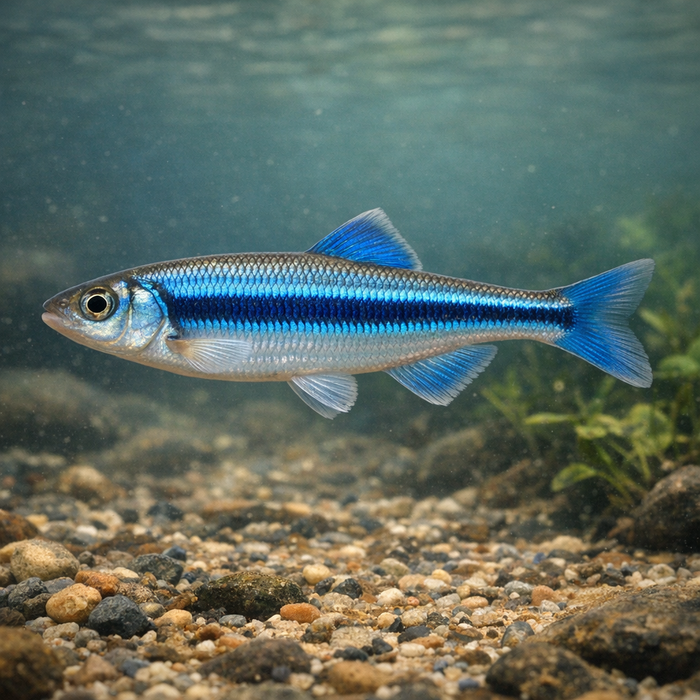
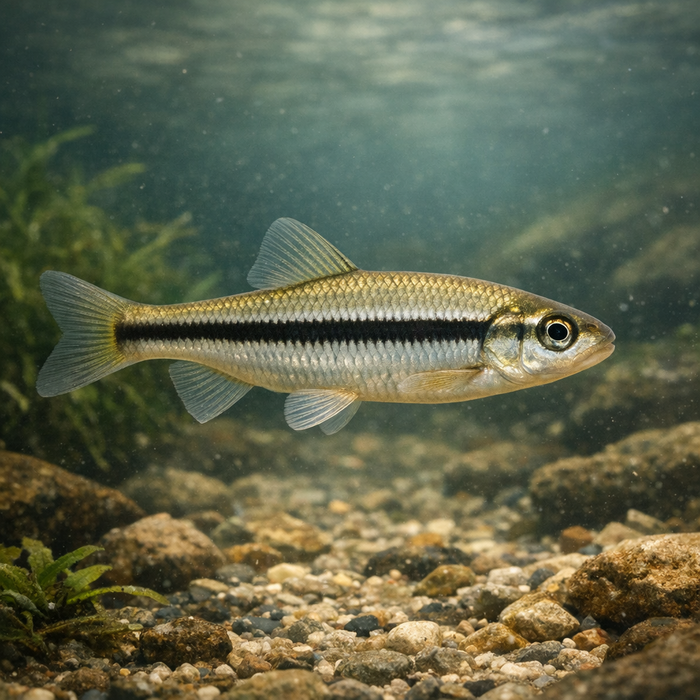
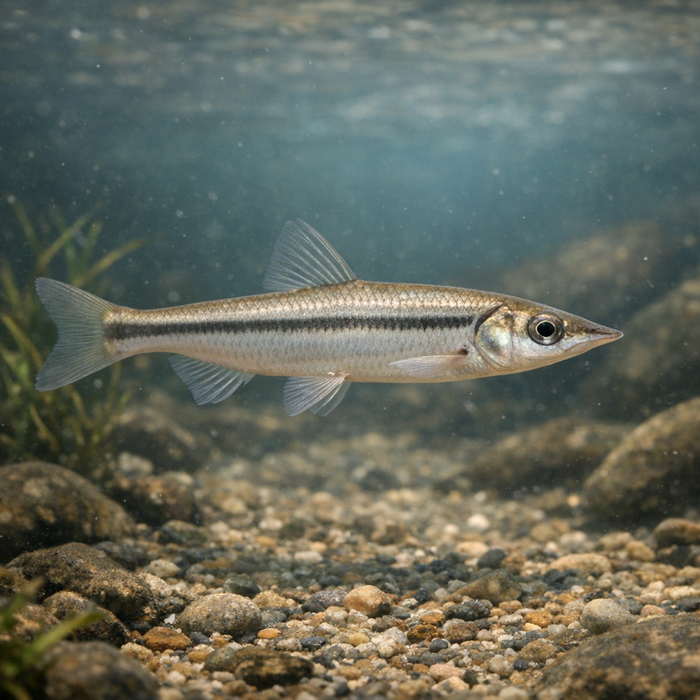
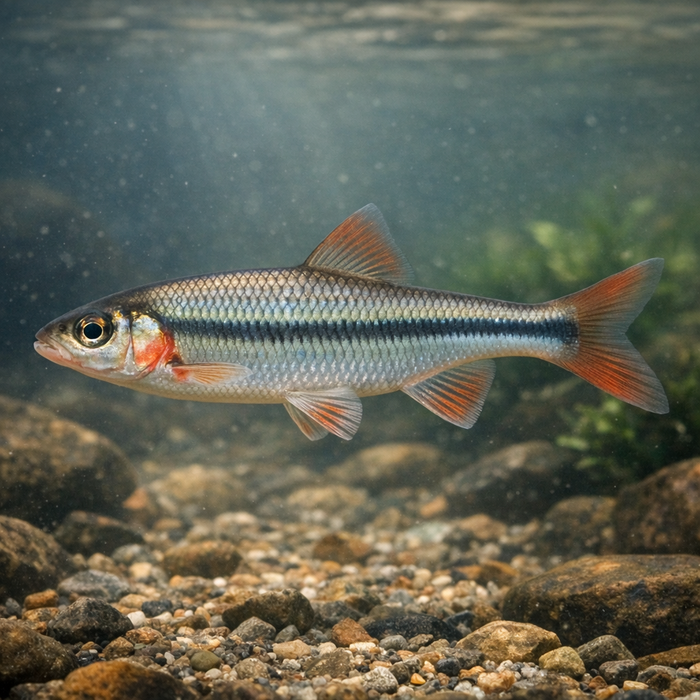
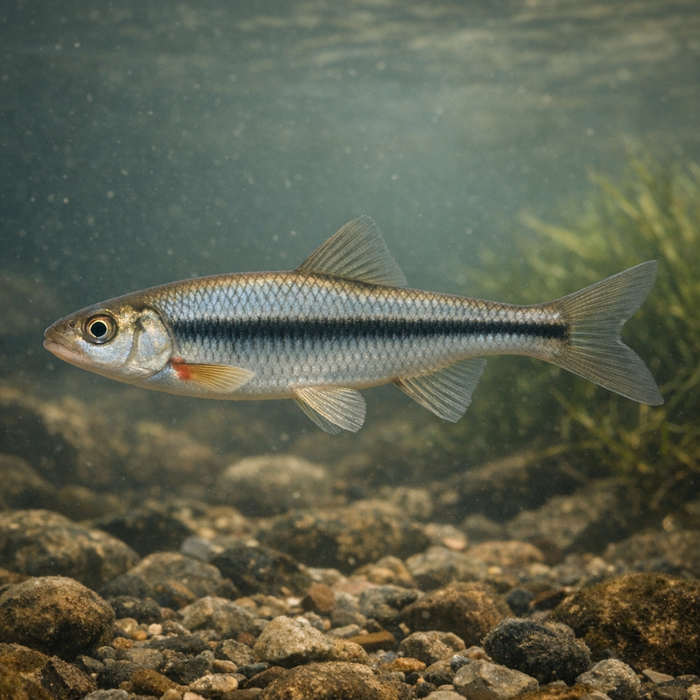
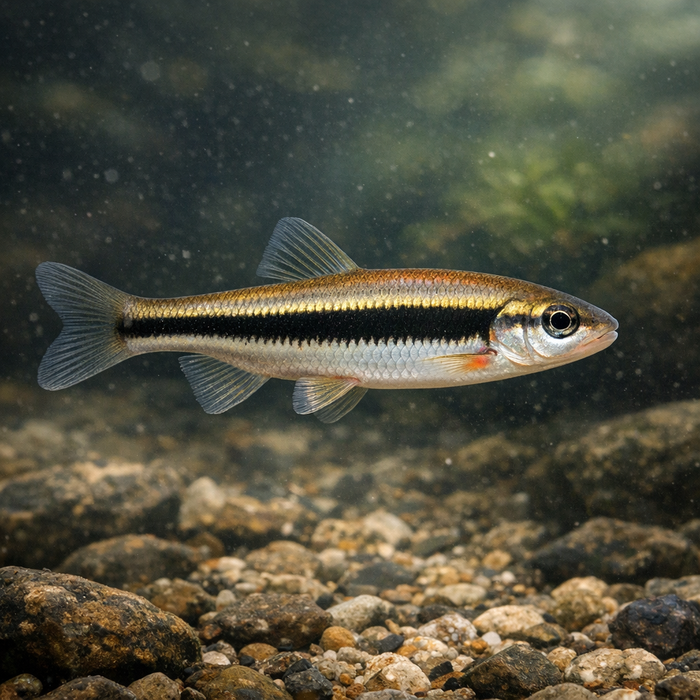
Spotfin Chub (Cyprinella monacha): A Bold, Memorable Hook LineIntroductionThe spotfin chub is the kind of fish that proves small doesn't mean boring. Flashy breeding colors, turbocharged sprints in skinny water, and a reputation tighter than a sealed drag make this little native minnow a cult favorite among microfishing nerds and biologists alike. You won't be chasing records or coolers with it. You'll be chasing a glimpse. And that single clean look is worth the effort. If you're digging for Spotfin chub facts or curious about genuine Spotfin chub habitat, you're in the right riffle.What Makes the Spotfin chub Unique?Three things. First, the look: during spawning, males ignite into electric turquoise with white fin tips and gritty breeding tubercles. It's like a tropical reef cameo in an Appalachian river. Second, the hardware: that black blotch on the leading edge of the dorsal fin is the namesake "spotfin" signature, crisp even in drab seasons. Third, the lifestyle: this fish is a clean-water specialist that demands polished gravel and oxygen-rich current. Lose the clarity, lose the chub. The spotfin chub may be small, but it's unapologetically high-maintenance.Habitat & Global RangeYou won't find this one everywhere. The spotfin chub is a southeastern U.S. native centered on the Tennessee River system, with scattered, often isolated populations tied to specific shoals. Think knee-to-waist-deep runs, cobble and pea-gravel beds, and sunlit, gin-clear current. Silt is the enemy; turbidity shuts down courtship and smothers eggs. The fish holds midwater in broken flow, sliding just off the heaviest push to intercept drifting invertebrates. Short seasonal moves concentrate fish on the cleanest shoals in late spring through mid-summer, then spread them into adjacent runs when temperatures and flows shift.Behavior & TemperamentThe spotfin chub is nervous, fast, and social. Schools hover in broken light where predators see poorly and snacks drift by. They're not bruisers, but hook one on micro gear and you'll get a few quick, panicked bursts before it calms. During the spawn, males posture and bump, then pair off for seconds-long egg drops into gravel crevices. Outside the romance window, they feed in pulses, often tied to steady daylight and stable flows rather than dramatic dusk blitzes. Stealth matters; one sloppy step that clouds the shoal and the school vanishes like a magic trick.Ecological ImportanceThis fish is a water-quality telltale. Where spotfin chub thrive, substrates are clean, flows are stable, and upstream erosion is under control. They help convert drifting insect biomass into forage for larger natives, add sparkle to the midwater guild, and serve as an indicator species for intact riffle-run habitats. Protect their shoals and you protect a full neighborhood of darters, shiners, mussels, and the mayfly factories that keep everything fed.Conservation & Environmental PressuresThe spotfin chub has taken hits from damming, sedimentation, and the death-by-a-thousand-cuts of land use. Fragmented habitats and occasional poor water quality pinch already small populations. The upside: targeted restoration, hatchery supplementation, and barrier work are bringing some shoals back online. This is one of the rare minnows with a playbook that includes captive propagation and reintroductions. Success hinges on gravel kept clean, banks kept tight, and stormflows that don't sandblast nests.The FishyAF TakeThe spotfin chub is the river's neon check engine light. When you see it, things are tuned right. When you don't, something upstream is sloppy. Anglers who respect this fish treat the encounter like a privilege: soft steps, barbless hooks, and quick releases where handling is even legal. You won't brag about its size, but you'll absolutely brag about the water that held it. For a tiny fish, the spotfin chub leaves a huge afterimage-cooler than a brown trout selfie and twice as hard to earn.