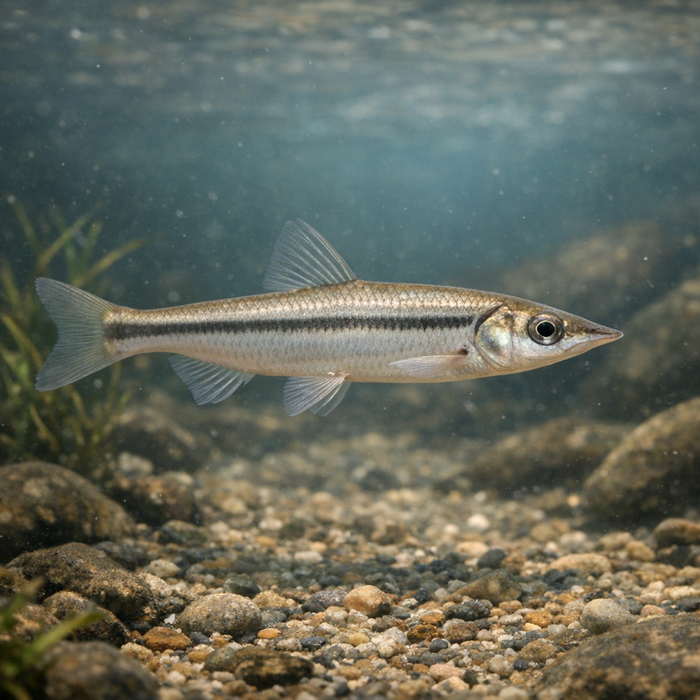
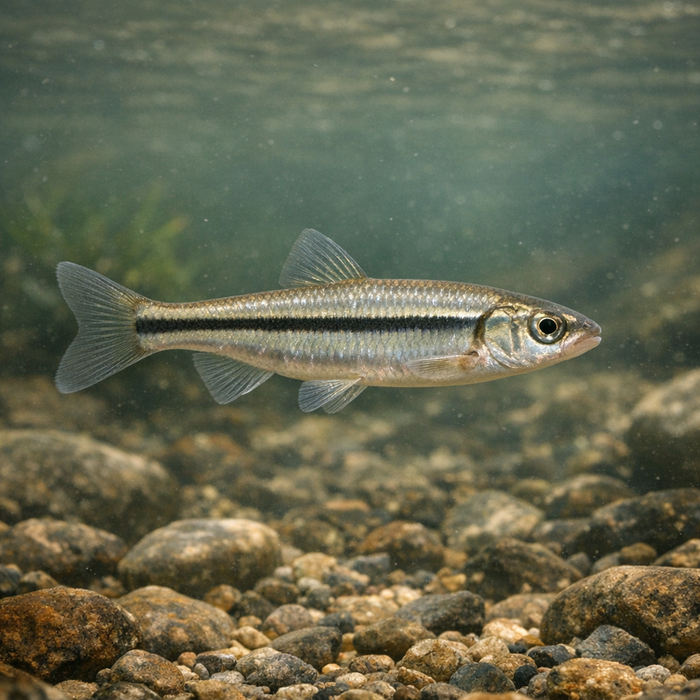
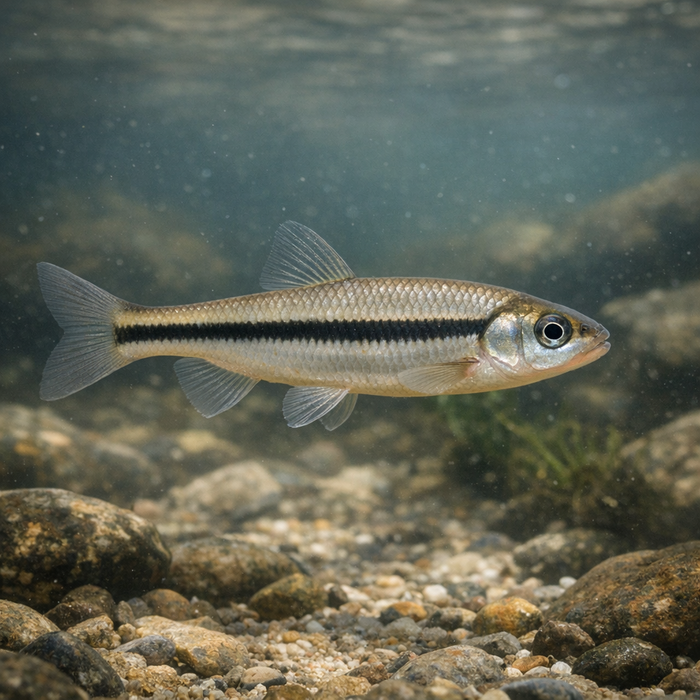
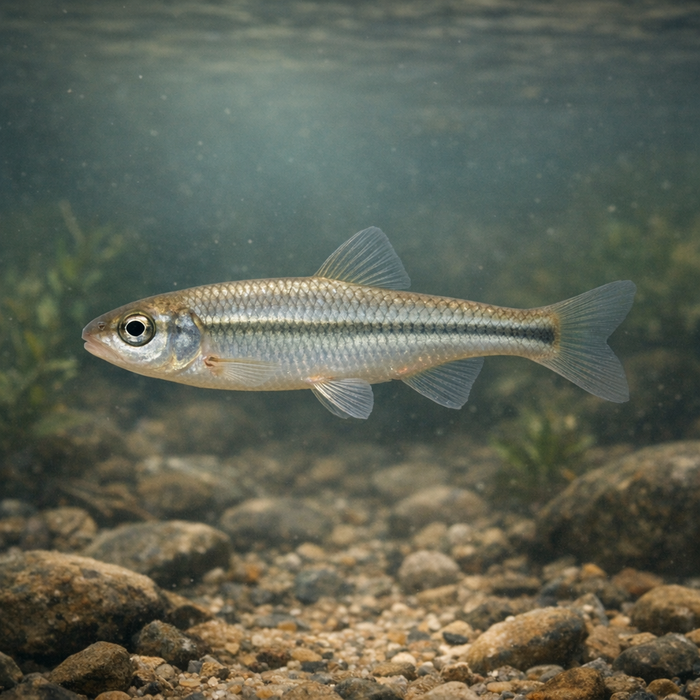
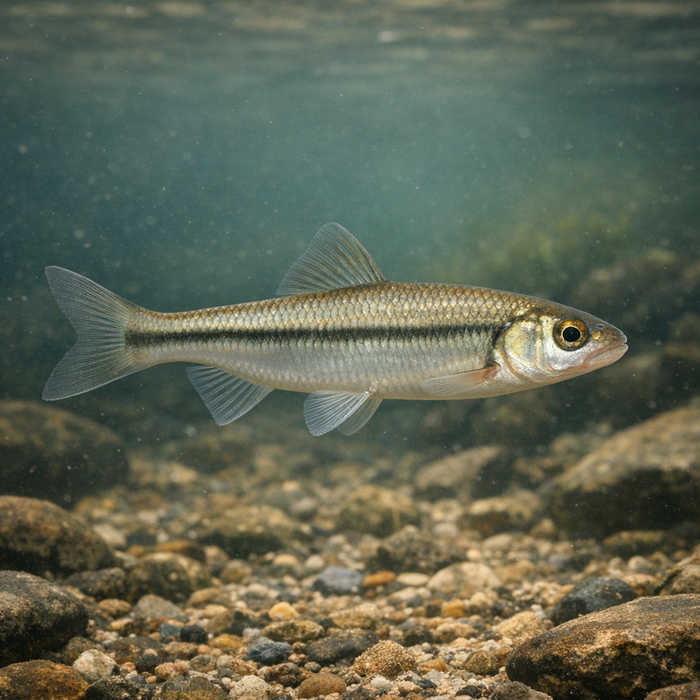
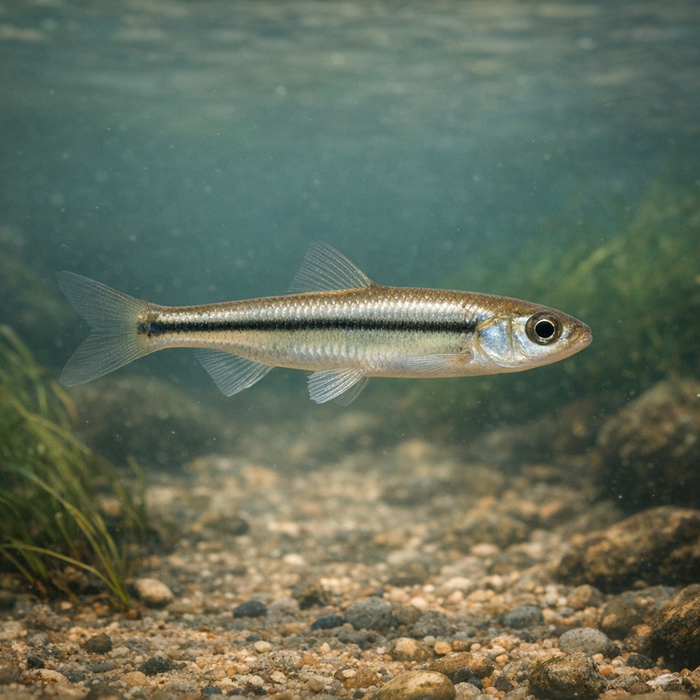
Devils River Minnow (Dionda diaboli): A Bold, Memorable Hook LineIntroductionIf you want a fish that proves small doesn't mean simple, meet the Devils River minnow. Thumb-length, riffle-strong, and survival-minded, this little native is the heartbeat of some of Texas's clearest spring runs. Think supercar handling in a matchbox body. You won't chase it for grip-and-grin photos. You respect it because it outlasts droughts, floods, and the clumsy footsteps of people who should know better.What Makes the Devils River minnow Unique?First, design. The Devils River minnow carries a sleek, bulletlike profile with a subterminal mouth tuned to scrape algae and biofilm off limestone. That odd mouth isn't an afterthought; it's a precision tool for high-octane, low-calorie living. Second, it's an endurance athlete. While bigger fish draft giant boulders, this one works behind pebbles and cobbles, surfing micro-eddies with uncanny poise. Third, the color shift. In breeding mode, fins glow with a lemon wash and the lateral stripe goes bold, a subtle fireworks show in water so clear it looks polished. These aren't generic minnow features. This is a custom build for incessant current.Habitat & Global RangeHere's the headline Devils River minnow habitat truth: it's a spring-flow specialist. It thrives in cold-to-cool, calcium-rich water rocketing over clean gravel and polished limestone. Constant, dependable flows keep the temperature and chemistry steady, which the fish translates into stable growth and frequent spawning pulses. The common name says plenty about origin, but its story ties to a network of spring-fed creeks where clarity, current, and clean substrate do the heavy lifting. Mess with any of those three and the wheels come off fast. If you're collecting Devils River minnow facts, start with this one: stable, transparent, fast water is non-negotiable.Behavior & TemperamentDon't expect ambush theatrics. The Devils River minnow is a grazer with hustle. It stacks in small schools, noses down, making short, efficient darts as it rakes periphyton from rocks. It isn't bold like a sunfish or flaky like some shiners. It's more like a metronome set to riffle speed. When flows jump, it snaps behind cobbles and into crevices, using structure like a shield. Wariness runs high in clear water. Any shadow overhead and the school compresses, then slithers deeper into the fast stuff where clumsy predators struggle to track them.Ecological ImportanceThe Devils River minnow is a translator between rocks and everything that eats algae-grazers. By shaving biofilm off stones, it keeps the conveyor belt of primary productivity moving. In simple terms, it turns sun-powered slime into fish-food currency. Remove it and you don't just lose a species; you jam an energy pathway in a famously efficient spring system. Because it's small and short-lived, it responds fast to good years and bad, broadcasting quick population changes that telegraph the river's overall health.Conservation & Environmental PressuresThe usual villains apply, but here they feel magnified. Pump groundwater hard and spring discharge drops. Add invasive species and you get competition and predation the native playbook didn't plan for. Let silt and nutrient loads creep up and those postcard-clear riffles go fuzzy, smothering the algae the fish actually wants. The Devils River minnow is federally endangered for a reason: it depends on a constant, narrow band of conditions. Lose the constancy and you don't just shrink its world, you erase it.The FishyAF TakeAs anglers, we love fighters and freaks. The Devils River minnow is neither; it's a specialist. But specialists are the soul of a place. Treat this fish like a rare instrument: look, learn, and keep your hands off the strings. If you want hero points, champion the flows, the springs, and the clean limestone that keep it ticking. Photograph the current, brag about the clarity, and leave the schools unbothered. That's how you "catch" a Devils River minnow without ever tying a knot.