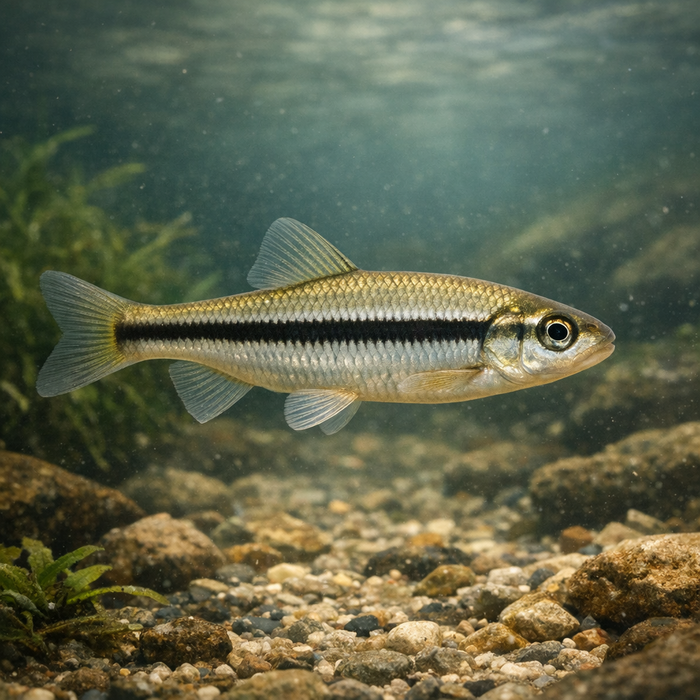
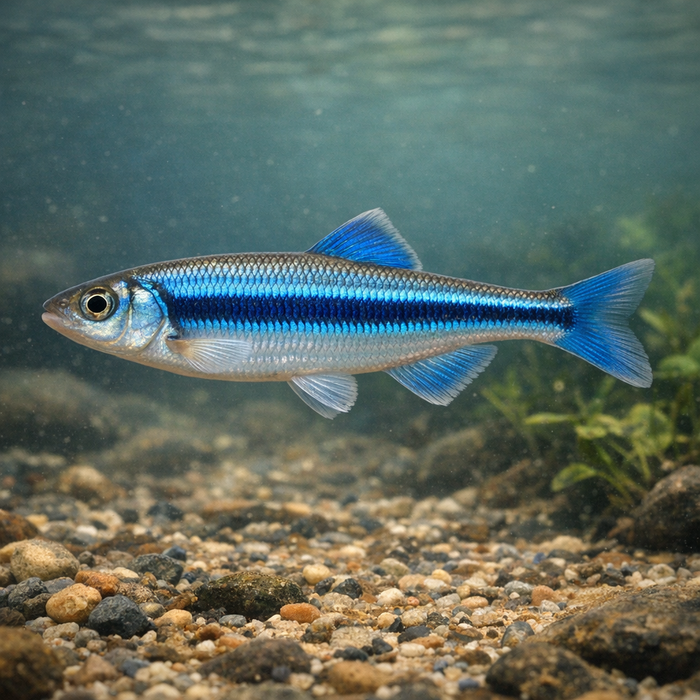
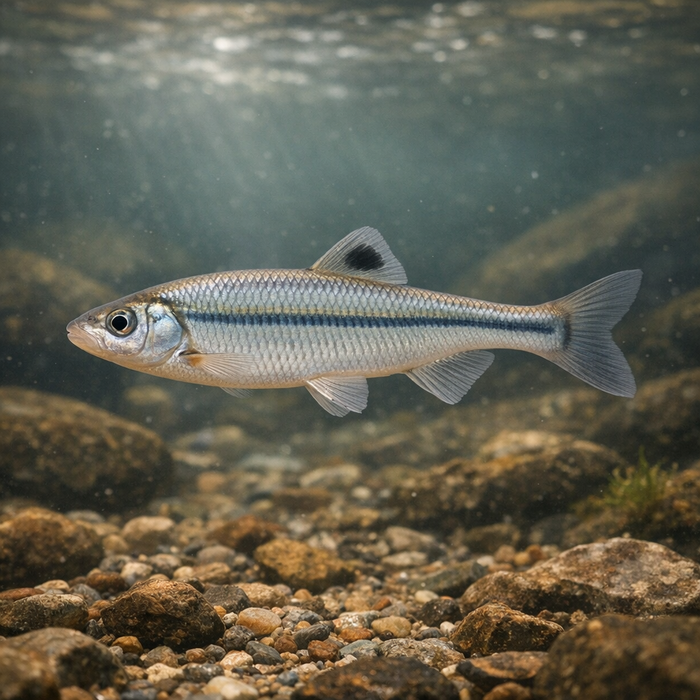
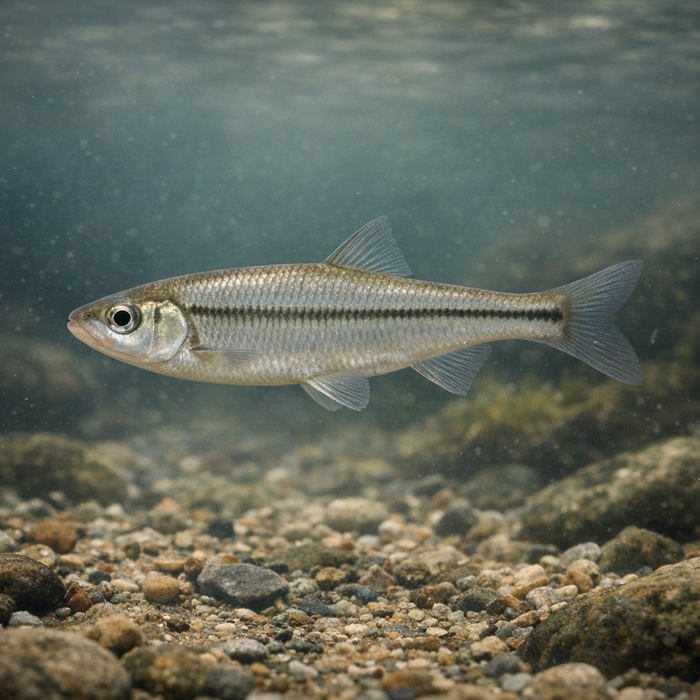
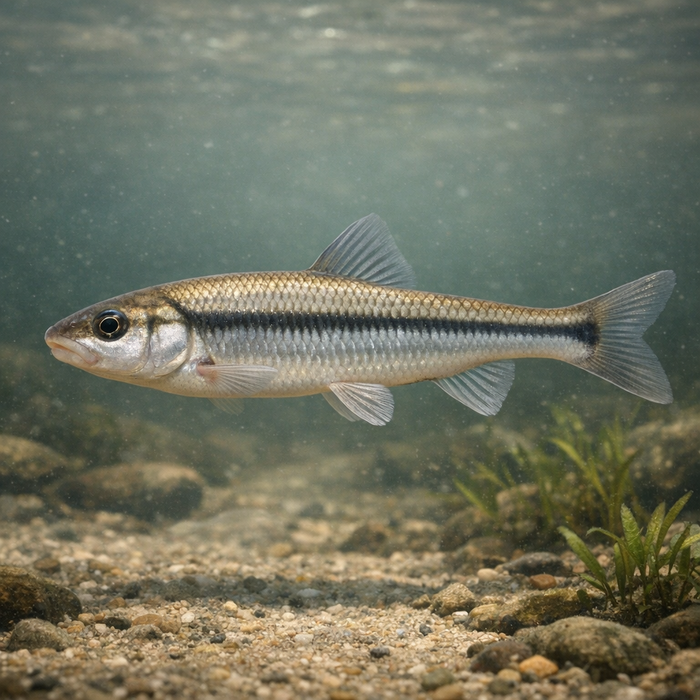
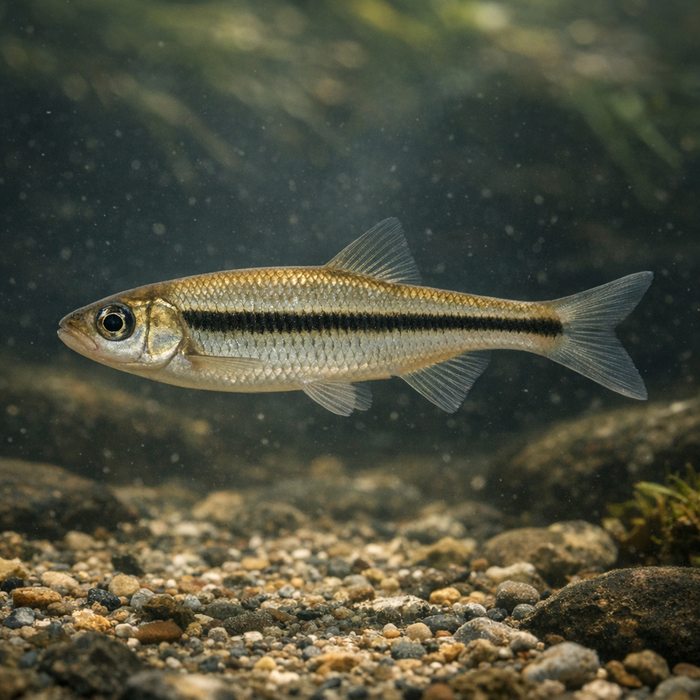
Sharpnose Shiner (Notropis oxyrhynchus): A pocket-rocket minnow built for muddy, fast-flowing Texas riversIntroductionMeet the sharpnose shiner, the little fish with a big dependency on moving water. It's not a target for brag-board photos, but it might be the most instructive fish in Texas for understanding what rivers need to stay wild. Small, quick, and specialized, the sharpnose shiner thrives when flows pulse, sand shifts, and the water looks like chocolate milk. If you want Sharpnose shiner facts that actually matter to anglers and river rats, start with this: everything about it screams flow.What Makes the Sharpnose shiner Unique?First, that needle-nosed profile. The sharpnose shiner wears a pointed snout and a sleek, torpedo build that slices through current and reduces drag. Second, its entire reproductive strategy is geared for flood pulses. It's a pelagic broadcast spawner with semi-buoyant eggs that drift for miles. No conveyor belt, no babies. Third, the species is a river nomad, schooling midwater above shifting sand and riding high flows to new real estate. Those traits together make the sharpnose shiner a highly tuned machine for a very specific lane of river life.Habitat & Global RangeIf you're hunting for Sharpnose shiner habitat, think turbid, warm, sand-bed prairie rivers. This fish is a Texas specialist, historically in the Brazos River basin and select forks and tributaries. It prefers broad, shallow channels with steady to swift current, minimal vegetation, and room for sandbars to breathe. Clear, stagnant backwaters? Hard pass. Elevated salinity or muddiness after storms doesn't spook it; in fact, stained water is normal. This narrow habitat lane is why the species feels tied to geography. Fragment the river with reservoirs and you've just cut the moving sidewalk needed for eggs to drift and hatch.Behavior & TemperamentThe sharpnose shiner isn't a lurker. It's a midwater schooling hustler that keeps above the sand and follows flow cues. Spawning cues ride in with summer thunderstorms, and adults can move meaningful distances when conditions roll their way. It feeds small, fast, and opportunistically on tiny invertebrates, using speed and numbers rather than ambush. It's not picky about structure because the structure is the current itself: dunes, bars, and riffled slicks that constantly reshape.Ecological ImportanceThis minnow is a signal flare for river function. Its presence tells you the system still has pulse, sediment transport, and long free-flowing reaches. Those semi-buoyant eggs don't just drift; they time the river's heartbeat, turning storm surges into recruitment pulses. Lose the surge, lose the shiner. In turn, the sharpnose shiner helps transfer energy from aquatic insects up the food web, feeding larger fishes and birds. Think of it as micro currency for a big economy.Conservation & Environmental PressuresThe sharpnose shiner is federally listed as endangered, and for good reason. Dams, prolonged low flows, and channel changes slice up the habitat playbook it needs. Reservoirs flatten the hydrograph, slow the egg conveyor belt, and create gauntlets of still water where drifting embryos sink and die. Water withdrawals and drought magnify the issue. Restoration isn't about building perfect habitat units; it's about getting flow right across long, connected river miles. Protect the pulse and you protect the fish.The FishyAF TakeNo, the sharpnose shiner won't test your drag or smash a topwater. But it will test your understanding of rivers. The species is the purest expression of "flow or bust" you'll meet. Want real Sharpnose shiner facts? Here you go: free-flowing water makes fish; dead water makes excuses. If you spot one while microfishing or doing legit survey work, treat it like a rare autograph. Respect the law, keep the water moving, and the sharpnose shiner will keep writing its story in muddy ink across Texas sand-bed channels.