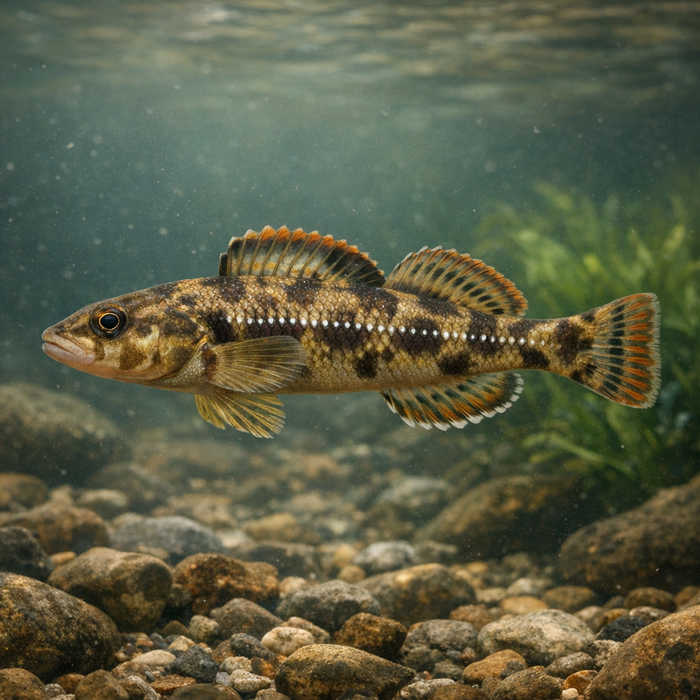
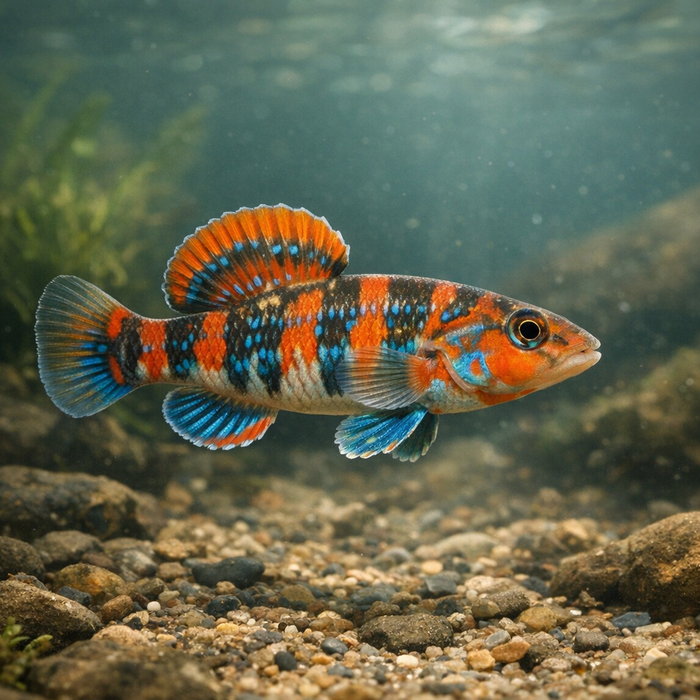
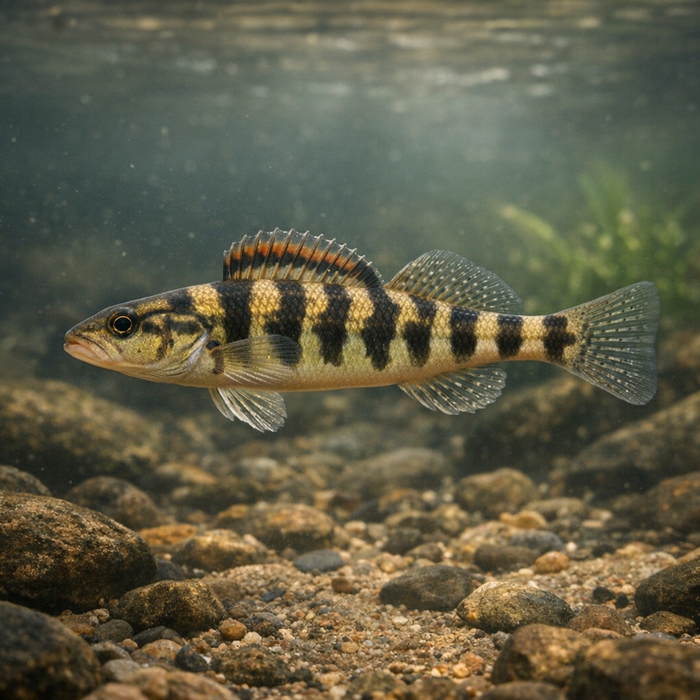
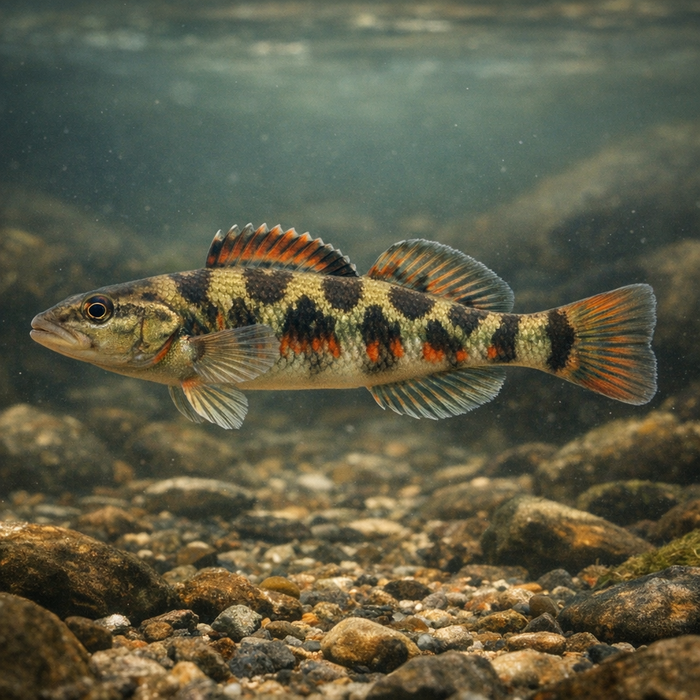
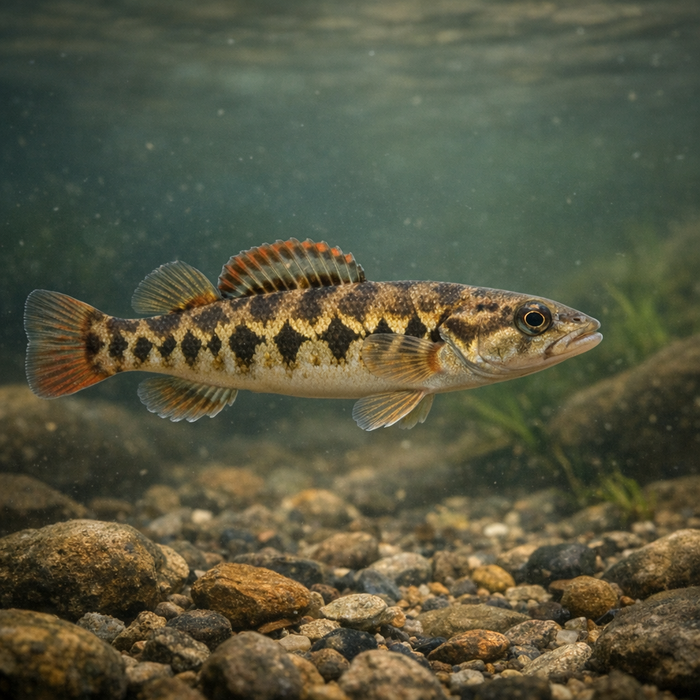
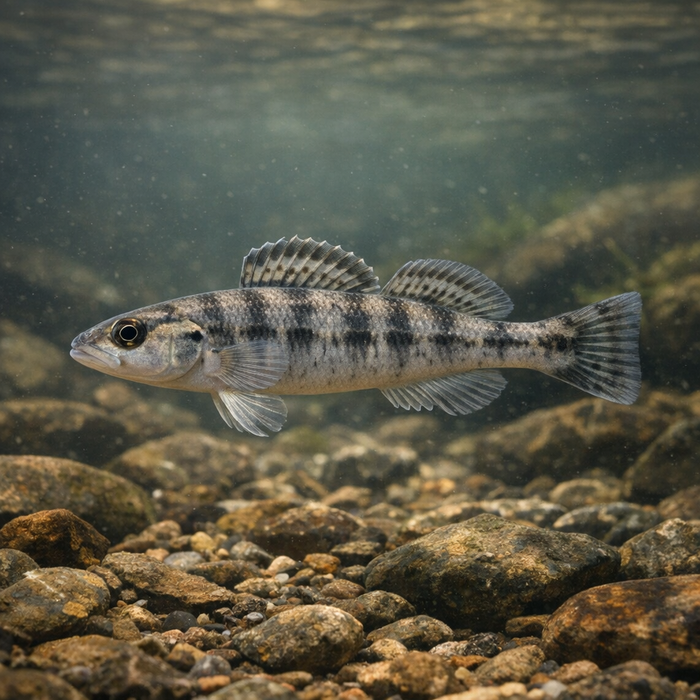
Bluegrass Darter (Etheostoma jimmycarter): A tiny riffle rocket with a presidential namesakeIntroductionMeet the Bluegrass darter, the pint-size powerhouse that lives where the river gets loud and the rocks get clean. This fish isn't here for your crankbait collection or your big-fish ego. It's a micro-treasure, a flash of blue and attitude that turns fast water into a racetrack. If you're after Bluegrass darter facts that matter to anglers, think stealth, precision, and a love affair with clean gravel.What Makes the Bluegrass darter Unique?For starters, the name. Etheostoma jimmycarter honors a president known for environmental stewardship, and the fish backs that up with a demand for pristine flow. The Bluegrass darter is small even by darter standards, typically under two and a half inches, which means every approach is a finesse operation. Come spring, breeding males glow with electric blue bars and crisp fin accents that look like someone turned the saturation to eleven. In a world of camo fish, this one struts for a few critical weeks, then blends right back into the riffles.Habitat & Global RangeThe phrase Bluegrass darter habitat translates to one thing: clean, fast, well-oxygenated water over gravel and pebble. Picture shallow riffles and runs where your boots hum with current. Silt is the enemy, clarity is king, and the fish hunker tight to the bottom using big pectoral fins as anchors. You won't need a boat. You will need quiet feet, a low profile, and patience. Its range is naturally tight, which is part of its charm and challenge, but wherever you find bright, cobbly riffles in the right region, you've got a shot.Behavior & TemperamentThe Bluegrass darter is a consummate ambush sprinter. It holds station behind pebbles and in micro-eddies, then blasts forward a few inches to inhale drifting invertebrates. It rarely roams far, preferring a home turf the size of a pizza box. Spawning season ramps up the drama: males carve out tiny territories, flash those signature blues, and posture like heavyweight champs despite being smaller than your pinky. They're wary but not impossible; if your shadow sweeps the riffle, they vanish. Keep your presentation tight to the stones and your movements surgical.Ecological ImportanceThis fish is more than a microfishing trophy. The Bluegrass darter is a riffle report card. When gravels stay clean and flows hold steady, darters thrive. When sediment loads rise or runoff spikes, they're the first to suffer. That makes them a living indicator for stream health and a vital link in the food web, converting insect pulses into protein for larger predators. Healthy darter populations usually mean balanced invertebrate communities and stable riffle habitat, a win for the entire river corridor.Conservation & Environmental PressuresSiltation, poorly managed construction runoff, and flashy stormwater are the darter's biggest villains. A single high-mud event can smother gravel interstices and shut down feeding or spawning for days. Water withdrawals that flatten seasonal flows, or channelization that erases riffle-pool rhythm, are equally brutal. The Bluegrass darter's tight range compounds the risk: local problems can have species-scale consequences. The good news is that smart watershed work pays off quickly. Riparian buffers, erosion control, and cold, clean baseflow are like rocket fuel for this fish's tiny world.The FishyAF TakeThe Bluegrass darter is proof that big joy comes in small packages. You won't fill a cooler and you won't need a net bigger than a pancake flipper. What you will get is pure sight-fishing finesse. It's a master class in reading micro-current and putting a speck of bait in a teacup-sized window. For anglers chasing Bluegrass darter facts that actually help, here's the play: go quiet, keep your presentation on the deck, and pretend every rock has eyes. When that flash of blue slides out, you'll forget all about pound-test and brag boards. This fish is a reminder that clean riffles matter, precision matters, and sometimes the most memorable catch could hide under a single skipping stone.