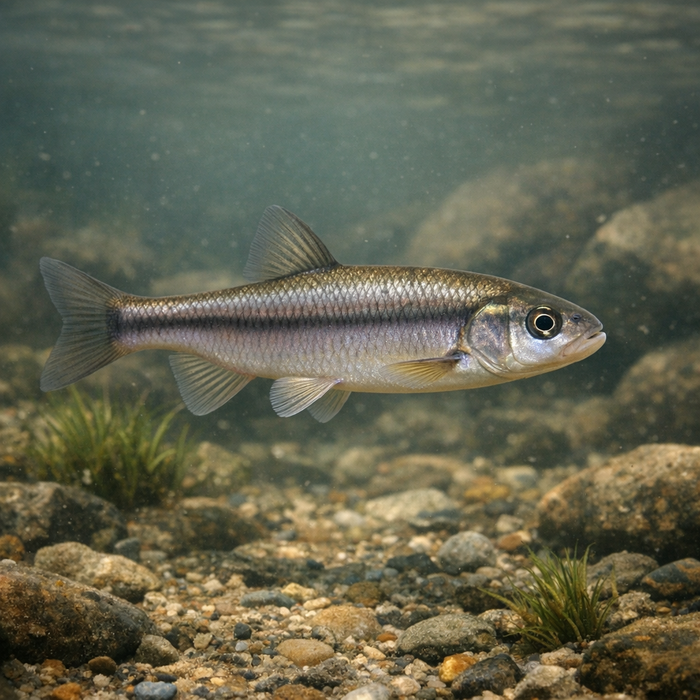
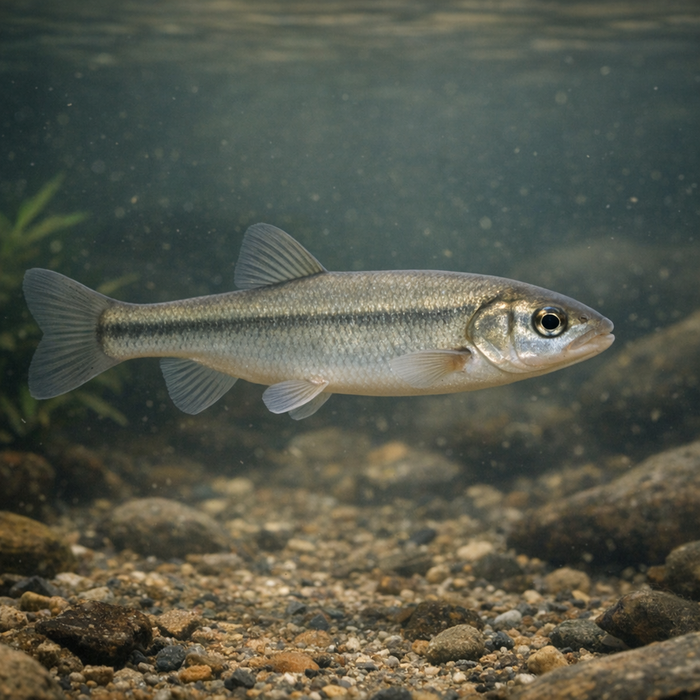
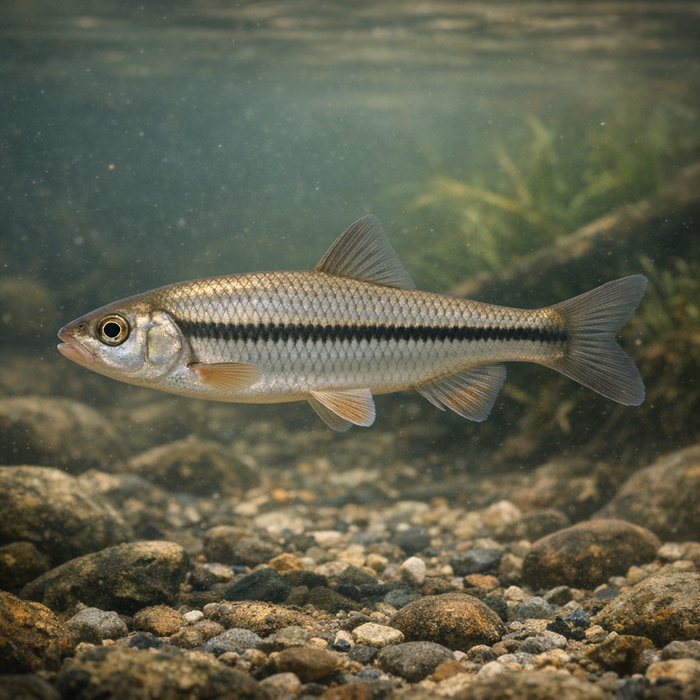
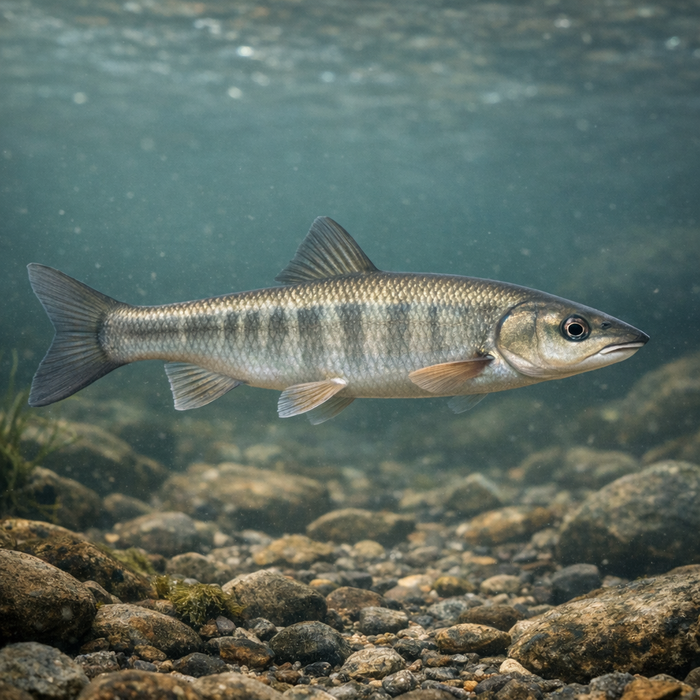
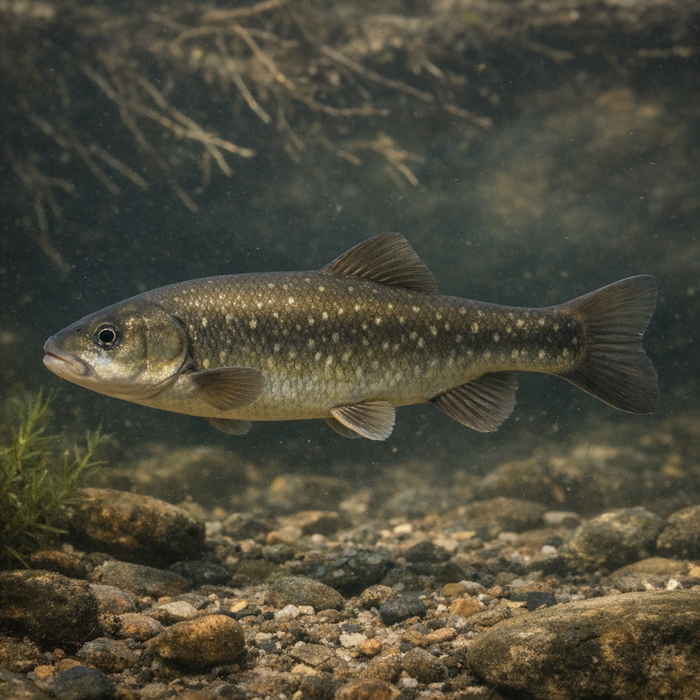
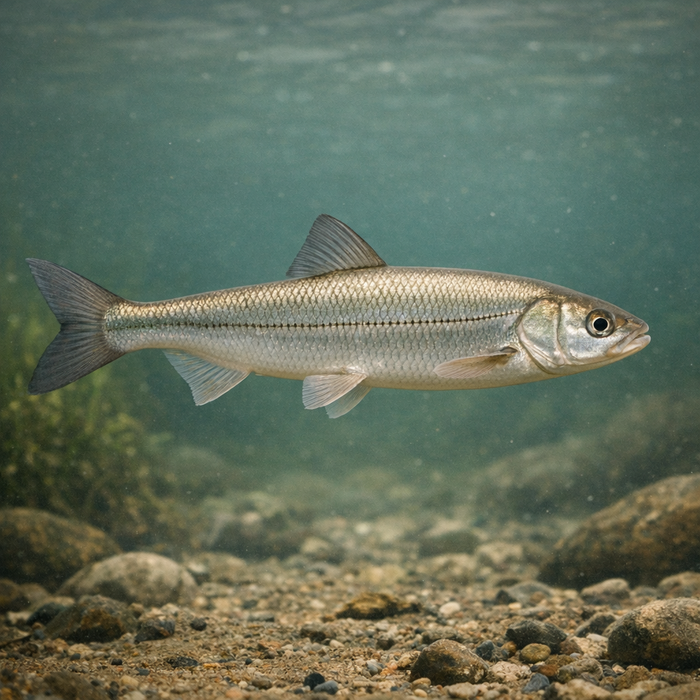
Bonytail (Gila elegans): A Bold, Memorable Hook LineIntroductionThe Bonytail is the Colorado River's ghost athlete, a native minnow built like a torpedo with a tail so skinny it looks photoshopped. It does not headline tournaments, and you are not keeping one for a hero shot. But if you care about wild rivers, evolution under chaos, and the strange royalty of desert fish, the Bonytail is your rabbit hole. This is a species shaped by floods, silt, and heat, still hanging on thanks to hatcheries and relentless conservation.What Makes the Bonytail Unique?Start with the namesake tail: a pencil-thin caudal peduncle that cuts water like a scalpel. That lean geometry pairs with a small, sleek head and long, efficient fins, letting the Bonytail cover miles of open channel with surprising ease. In spawn season some fish flash orange along the belly and fin edges, a quiet blaze on an otherwise smoky gray frame. These are not dainty creek fish. Bonytail evolved for violence and volume, built to ride roiling current and survive the feast-or-famine pulse of a desert system. If you wanted Bonytail facts that stick, here you go: it is minimalist design perfected by messy water.Habitat & Global RangeThe Bonytail is a native of the Colorado River basin, historically cruising the mainstem and large tributaries from the upper reaches to the desert canyons. Today, the heartland is big-water habitats like Lake Mohave and Lake Mead, along with targeted reintroductions in reaches of the Green and Yampa Rivers. Think broad channels, coves, and shorelines with cobble or coarse substrates. Bonytail habitat once transformed seasonally with snowmelt floods. Dams throttled that script, but the fish is still keyed to temperature swings and flow pulses when they exist.Behavior & TemperamentBonytail roam. They are not glued to boulders or logjams, and they do not spend afternoons pecking topwater. Most feeding happens midwater to near-bottom, with cruising sweeps along current seams and open flats. Call their aggression low but their endurance high. In spring as water warms, adults stage along shorelines and gentle slopes for spawning, then drift back toward open water travel lanes. Hooking one on purpose is unlikely, but accidental encounters happen where stockings persist and forage drifts are dense.Ecological ImportanceThis fish is a native plank in the Colorado River food web, a mid-level omnivore that processes drifting insects, small invertebrates, and organic matter while trading calories to larger native predators that once ruled these waters. Its body shape and travel behavior helped move energy across long river corridors. In a system now crowded with nonnative predators and altered flows, keeping the Bonytail on the roster preserves function, not just history.Conservation & Environmental PressuresBonytail are critically endangered, plain and simple. Big dams flattened seasonal floods, reservoirs changed temperature regimes, and introduced predators piled on. Hatchery programs tag and stock fish to rebuild age structure and genetic diversity, but recruitment is a constant battle. Managing flows to mimic natural pulses, controlling nonnative predators, and protecting shoreline spawning habitats are the levers. It is hard, expensive work, and it matters.The FishyAF TakeThe Bonytail is not your next weekend target. It is the fish that reminds you why targets exist at all. If you want Bonytail habitat to thrive, you fight for smart flows and intact shorelines. If you want more Bonytail facts, go hold a map of the Colorado River and imagine it loud again. Should you accidentally hook one, the trophy is a clean release and a better river story than any grip-and-grin. This fish is elegance under pressure, a minimalist built for maximum water. Respect the lineage.