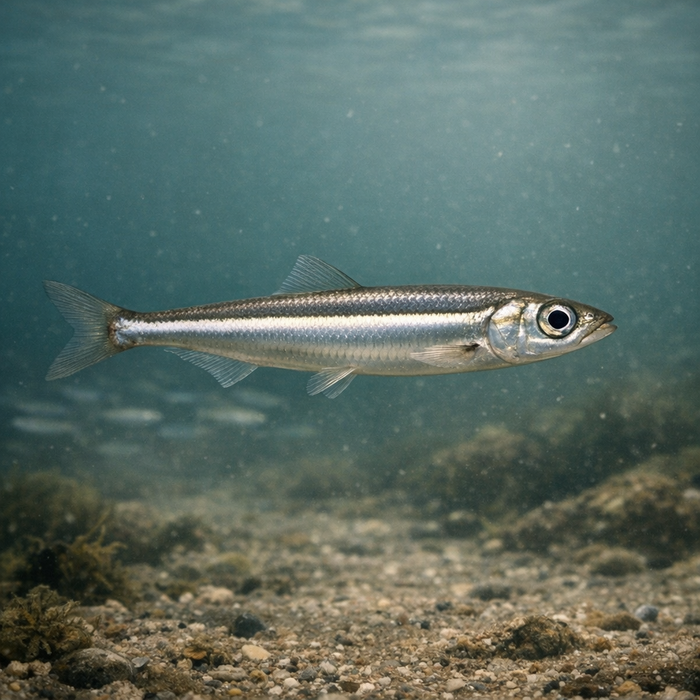
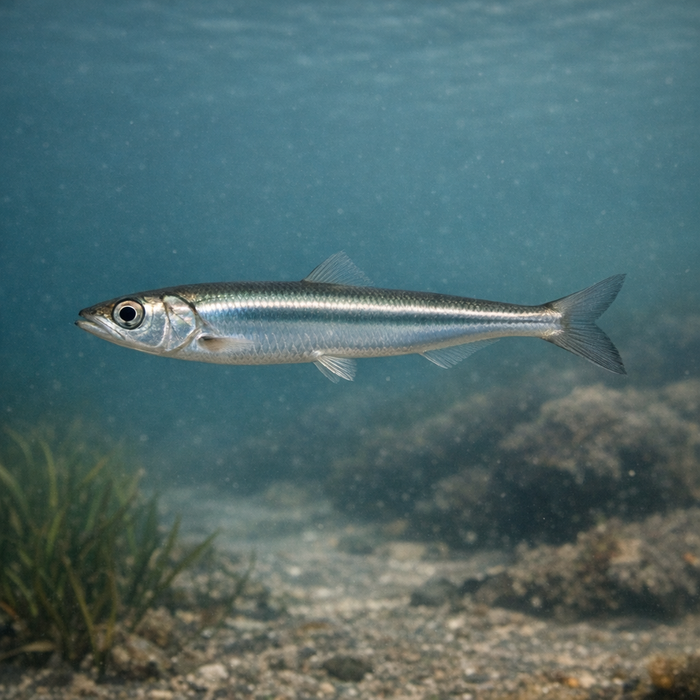
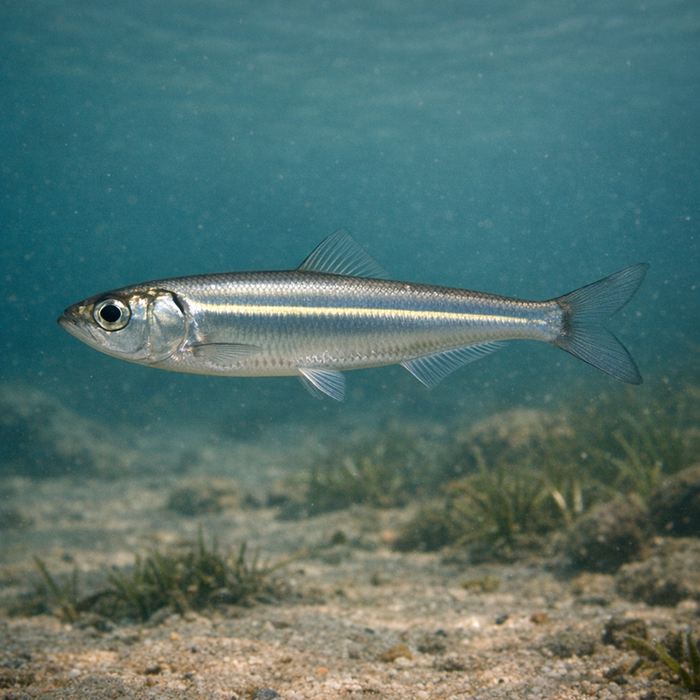
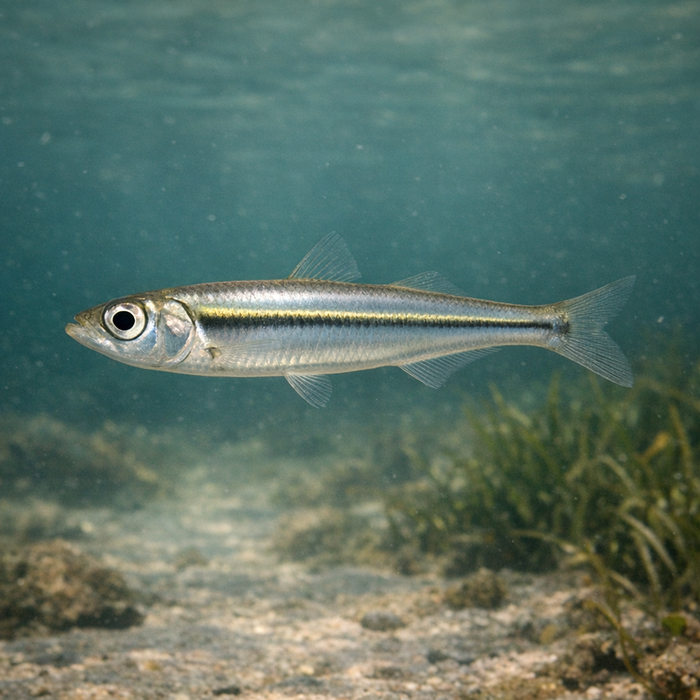
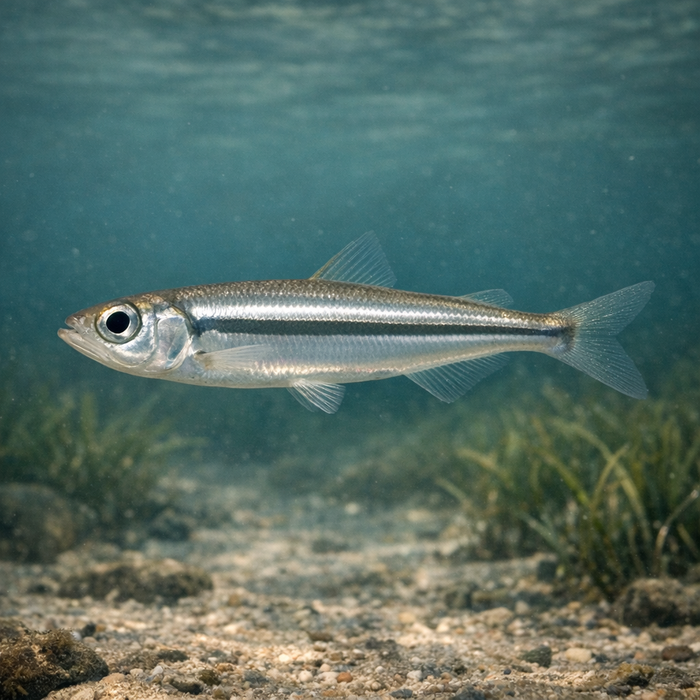
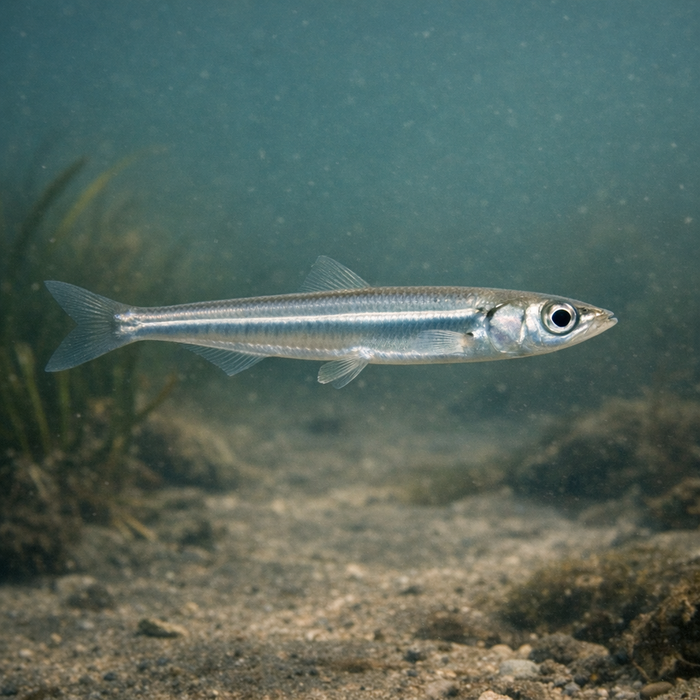
Broad-striped Anchovy (Anchoa hepsetus): A Bold, Memorable Hook LineIntroductionIf you fish the Atlantic coast, you've met this little glitter bomb. The broad-striped anchovy is the neon runway model of baitfish, throwing a fat silver stripe that screams "eat me" to everything with teeth. It's the species that turns calm inlets wild when lights flick on and predators start patrolling. You might not brag about catching one, but you'll thank them for every snook, mackerel, and tarpon you stick right after.What Makes the Broad-striped anchovy Unique?Two things jump out fast: the obvious broad lateral stripe and a seriously oversized mouth that hinges behind the eye. That combo isn't just for looks. The stripe reflects light downslope through a school, helping the mass move like a single organism. And the mouth? It lets the fish switch gears from precise pecking to full-on filter feeding using dense gill rakers. Add in fast, batch-style spawning that turbocharges summer recruitment, and you've got a baitfish that shows up big and often when predators want a snack.Habitat & Global RangeIf you're hunting broad-striped anchovy habitat, think warm, moving water near the coast: estuaries, inlets, beach troughs, and passes with current. They roam the Western Atlantic from the Northeast down through the Southeast and Gulf, then onward into the Caribbean and South America. They hug the top few feet when tides push and lights glow, especially around piers, bridges, and seawalls where micro-eddies stage plankton. On calm days they smear out in sprawling surface slicks; when wind and tide kick, they stack on current seams like silver frosting.Behavior & TemperamentThe broad-striped anchovy is nervous in the best way. Schools constantly shape-shift, pulsing between open-water drifts and tight bait balls the second predators lean in. They're classic low-light players, popping hardest at dusk, dawn, and under pier lights when amphipods and copepods ride the flow. Despite their jittery nature, they're not especially wary of terminal tackle; tiny sabiki flies or micro jigs work fine if you scale down line and hooks. Current is their conveyor belt, and they surf it with finesse.Ecological ImportanceAnchor this in your head: the broad-striped anchovy is fuel. It converts a sea of microscopic life into bite-sized rockets that power everything above them. Gamefish, seabirds, and dolphins all cash checks written by anchovies. Their fast growth and rapid, repeated spawning mean they rebound quickly in good years, then boom hard when conditions line up. If you're into Broad-striped anchovy facts, here's a big one: their seasonal pulses are so dependable that biologists use them to read coastal productivity.Conservation & Environmental PressuresListed as Least Concern, the species isn't ringing alarm bells, but it lives on the edge of human chaos. Estuary quality, freshwater flow, nutrient pulses, and shoreline lighting all decide how strong their runs look. Heavy rain can flip salinity, harmful algal blooms can suffocate pockets overnight, and chronic turbidity messes with feeding. They're also a bycatch staple in small-mesh nets. Resilience is their superpower, but anchovy abundance is still a weather report for the coast's health.The FishyAF TakeThe broad-striped anchovy is the unsung MVP of inshore mayhem. When they're thick, everything eats. If you want to understand a fishery fast, check the anchovy scene at sunset: how tight the schools are, which seams they choose, and what's shadowing them. That's your forecast. For anglers, they're easy, honest bait with a side of spectacle. For ecosystems, they're the spark plug. Call it what you want, but when that big stripe starts flashing under the lights, you're about to have a night.