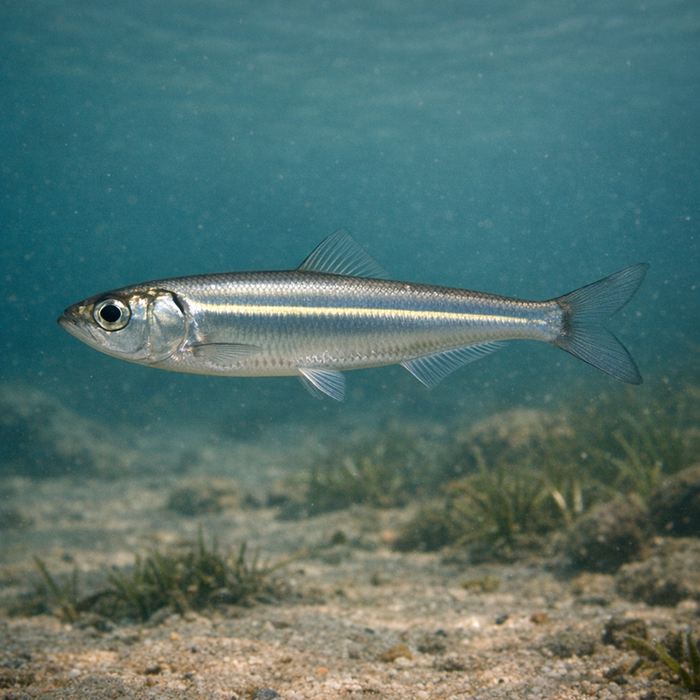
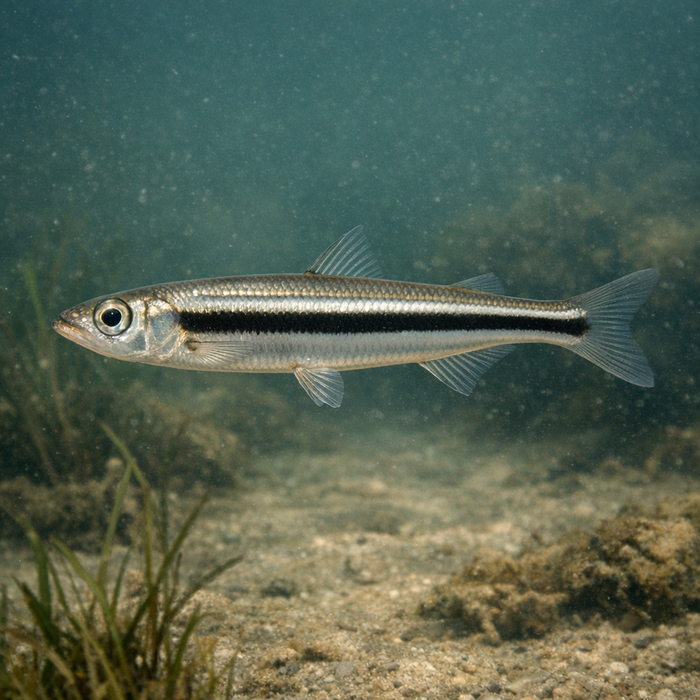
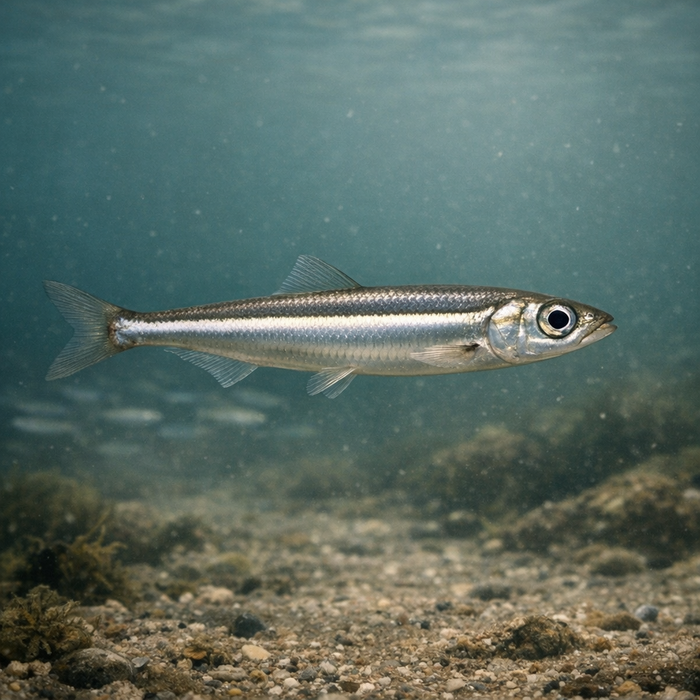
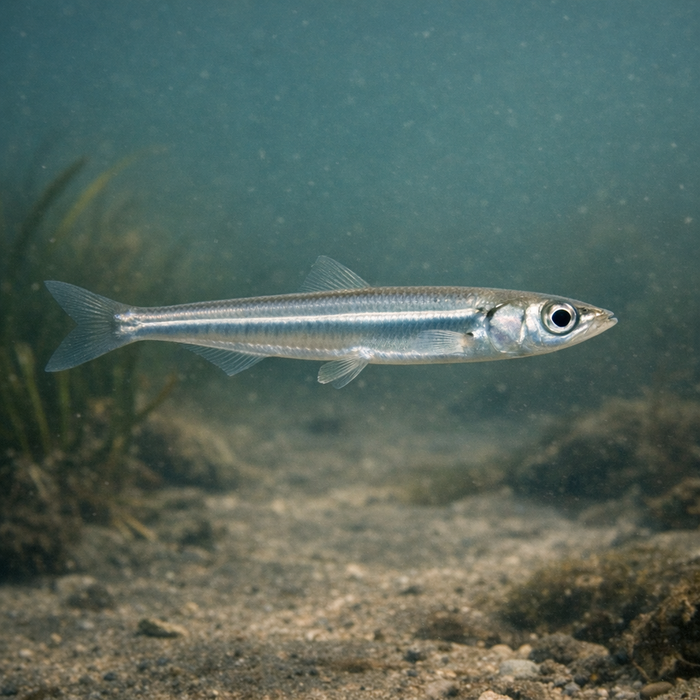
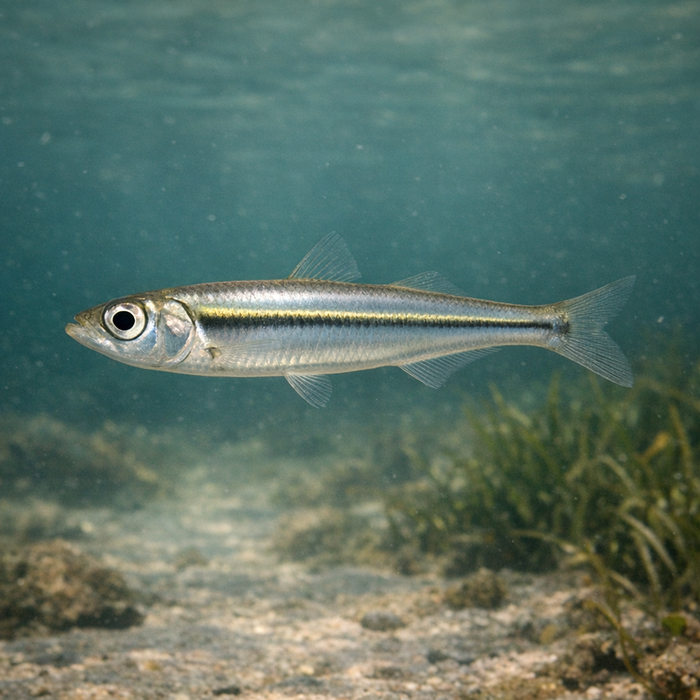
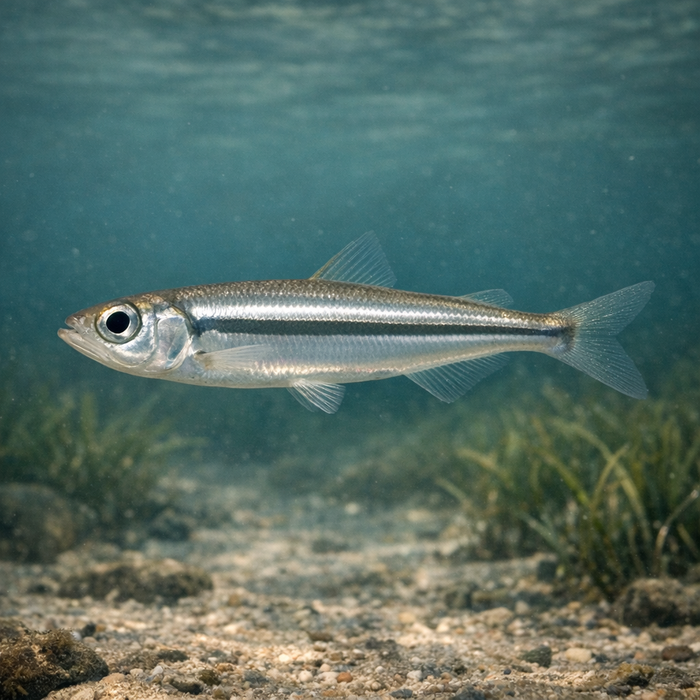
Californian Anchovy (Engraulis mordax): The Little Fish That Runs The CoastIntroductionThe Californian anchovy is the tiny engine that powers a massive chunk of the Pacific food web. It looks like a sliver of chrome with a heartbeat, but when the schools roll in, the whole coastline pays attention. Birds dive-bomb, dolphins cartwheel, and boats suddenly have a reason to chum. If you've ever asked for Californian anchovy facts or wondered why harbors suddenly boil at night, this is your fish.What Makes the Californian anchovy Unique?First, it's a shapeshifter feeder. The Californian anchovy can switch from filter-feeding to snapping individual prey in a blink, adapting to whatever the ocean serves that day. Second, it scales up its presence like few species can. One quiet week turns into walls of bait the next, driven by cool-water upwelling and plankton blooms. Third, it's insanely efficient at turning microscopic groceries into dense calories for bigger predators. Small body, big consequence.Habitat & Global RangeWhen anglers talk Californian anchovy habitat, they're really talking about the Pacific's conveyor belt of productivity. These anchovies thrive along the West Coast's upwelling zones, from Baja's lee shores to foggy bays of Northern California and into the Pacific Northwest. They split time between open-water schools and current-swept estuaries, sliding shallow at night and during plankton peaks, then spreading midwater when the sun's up. Harbors and piers stack with them under lights. Offshore, they ride rips, color lines, and the edges of kelp forests. Temperature is the throttle: cool, nutrient-rich water and they bloom; warm, stagnant stretches and they thin out or shift.Behavior & TemperamentThe Californian anchovy is schooling to the core. Safety in numbers is the whole game. They flash at the surface when they're feeding, flicker like rain over sonar when they're midwater, and panic in synchronized chaos when something fast shows up. They're not fighters in the angler sense; they're fast, twitchy, and delicate. But they're incredibly tuned to current. Find the flow, find the bait. They also key on light, which is why piers become bait factories after dark.Ecological ImportanceIf sardines are the seasonally famous cousin, the Californian anchovy is the steady grinder. It eats low on the food chain, then becomes dinner for practically everything with a mouth: salmon, halibut, striped bass, rockfish, seabirds, sea lions, and whales. When anchovy numbers boom, entire fisheries perk up. When they dip, predators improvise or suffer. The species also wears a lab coat in absentia: scientists read anchovy bones and catch records to decode decades of ocean cycles. This fish is a living climate index with fins.Conservation & Environmental PressuresThe stock rides long, natural swings tied to climate patterns, especially the Pacific Decadal Oscillation and El Niño. Fishery managers juggle that natural yo-yo with commercial demand, setting quotas and watching egg and larval surveys. Right now it's generally listed as Least Concern, but localized shortages happen. Warm-water years push schools around and thin out strong year classes. Coastal development and pollution add stress in the very harbors that can supercharge feeding. The short life cycle helps recovery, but it's not magic.The FishyAF TakeDon't overthink it. The Californian anchovy is humble, hyper-reactive, and absolutely central to good coastal fishing. Want tuna, halibut, bass, or seabird chaos? Root for anchovy. If you're collecting Californian anchovy facts for trivia night, keep this one: a bait ball can look like a thunderstorm on radar and a blue tarp on your sonar. For anglers, they're tickets to everything else. Treat them like currency, not confetti. Handle them gently, fish them quick, and pay attention to current and light. When anchovy stack, the coast wakes up.