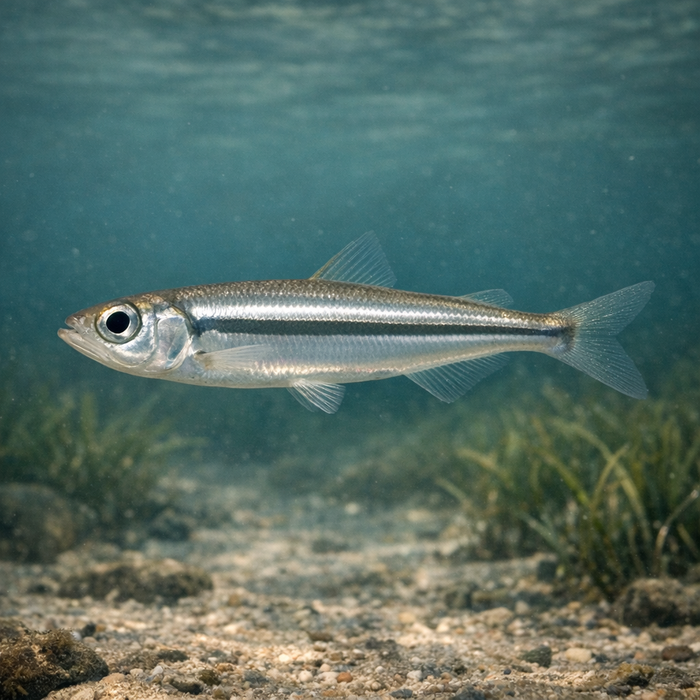
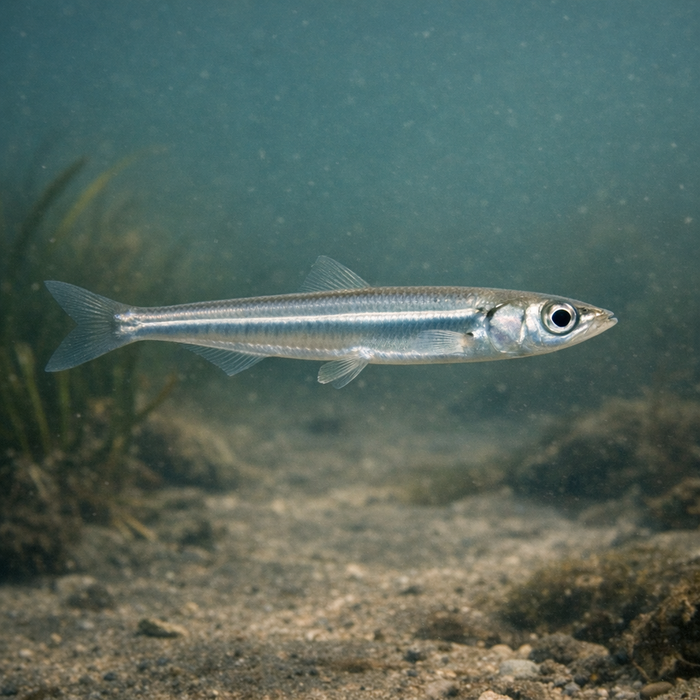
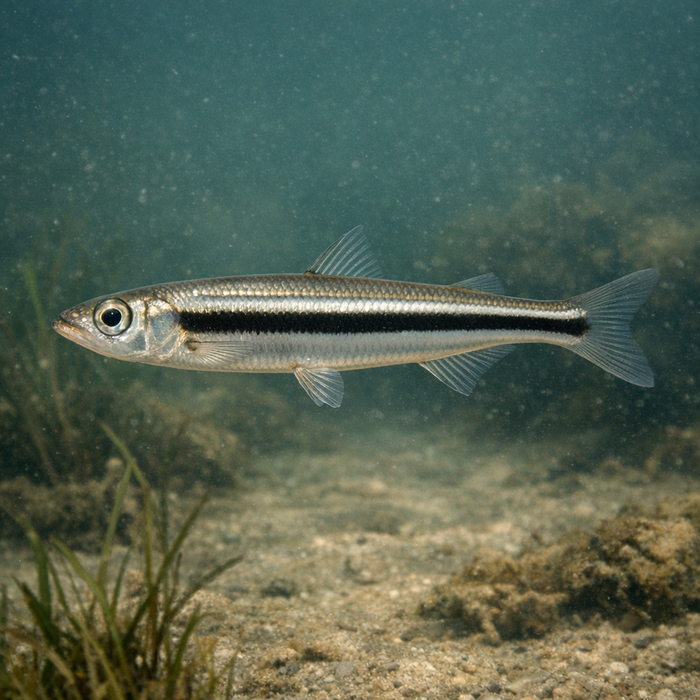
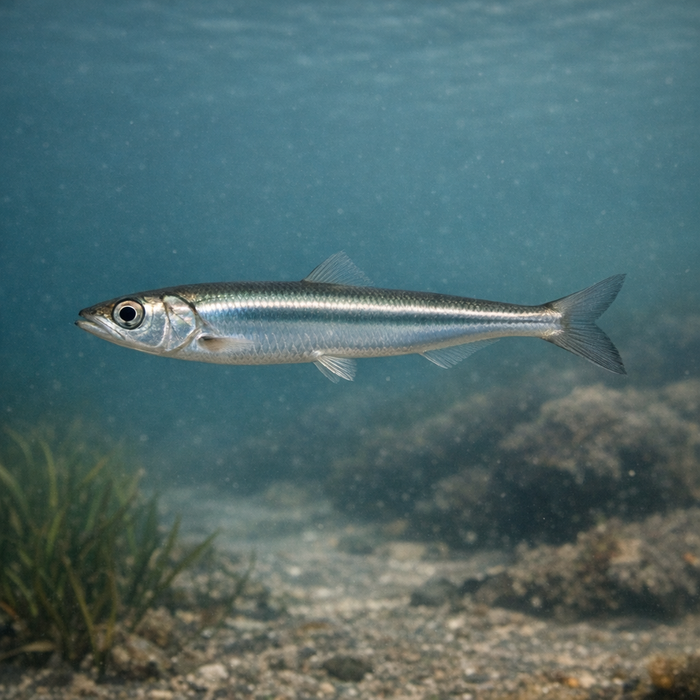
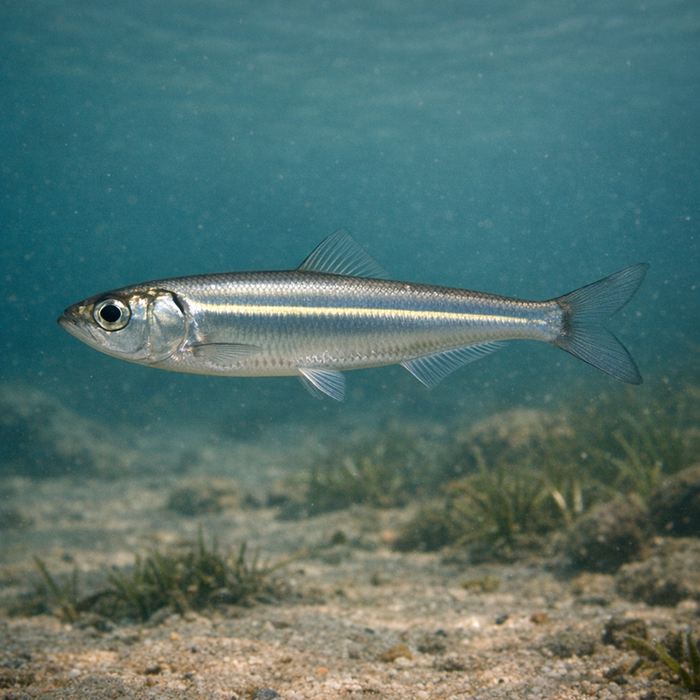
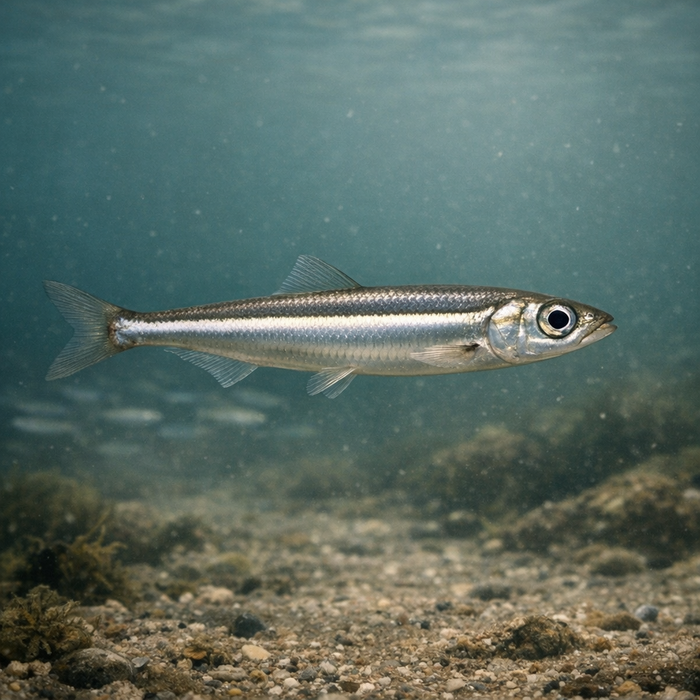
Cuban Anchovy (Anchoa cubana): Small Fish, Huge StoryIntroductionThe Cuban anchovy is the silver spark behind so many coastal blowups. Blink and a thousand bodies flicker as one. It's the fuel that lights up tarpon, snook, and mackerel parties, and the reason your cast net feels heavy with life. Most anglers meet this species as bait, but don't sleep on the Cuban anchovy story. It's fast, fragile, wildly efficient, and central to healthy tropical shorelines. If you came for Cuban anchovy facts, you'll leave respecting the little engine of the food web.What Makes the Cuban anchovy Unique?Start with pace. The Cuban anchovy hits maturity in months, not years, then spawns repeatedly through warm seasons. That rapid life cycle lets populations rebound quickly, even with nonstop predation from every toothy neighbor. Second, its hardware is tuned for tiny prey. Fine gill rakers sweep zooplankton like conveyor belts, letting huge schools vacuum-feed in turbid water without burning energy. Third, schooling is the superpower. Thousands move like a single organism, confusing predators and amplifying survival odds. No solo heroics here, just flawless team tactics.Habitat & Global RangeCuban anchovy habitat reads like a postcard with working docks. Think warm estuaries, mangrove creeks, sheltered harbors, and channel edges across the Caribbean, the Gulf Coast, and the tropical Southeast. They thrive where tide and current push food into tight lanes. Murky water isn't a problem; it's an advantage. Shorelines with soft bottoms, seawalls, and marinas provide both current breaks and night lights that stack plankton. When people search Cuban anchovy habitat, they're really asking where coastal life hums: right where freshwater meets the sea and bait clouds never clock out.Behavior & TemperamentThe Cuban anchovy runs on rhythm. Tides trigger movement. Low light concentrates them shallow, especially under pier lights. Schooling stays dense; a spooked group darts as a mirrored sheet, then resets to graze again. Vertical shifts are subtle: a foot or two up or down to track plankton layers. They're not brawlers or lone hunters. They are precision grazers, engineered to live fast and swarm smarter than their enemies.Ecological ImportanceCall them bait, but say it with reverence. The Cuban anchovy is a keystone snack, converting microscopic life into calories that power tarpon, snook, jacks, mackerel, pelicans, and dolphins. Their eggs are buoyant, hatching quickly and flooding nursery zones with forage. Even their oils matter; crushed schools throw off a rainbow sheen that ignites feeding chains. Without these anchovies, a lot of flashy predators would starve, and your highlight reel would be a lot shorter.Conservation & Environmental PressuresGood news: the Cuban anchovy reproduces quickly and can rebound. Bad news: it's still vulnerable to habitat loss, polluted runoff, and shoreline hardening. Kill the mangroves, overlight the water, or choke the estuary with silt and you'll thin out the plankton buffet anchovies rely on. Add heat waves and low-oxygen events and schools can vanish overnight. Monitoring bait schools sounds unsexy, but it's an early warning system for coastal health.The FishyAF TakeCuban anchovy isn't a trophy photo; it's the reason trophies exist. Respect the silver confetti. If you're netting your own bait, you're reading tides, tracking current, and learning the exact places life stacks up. That's an education predators already have. Master the Cuban anchovy and you're halfway to mastering everything that eats it. Small fish, big leverage. That's the real Cuban anchovy facts play.