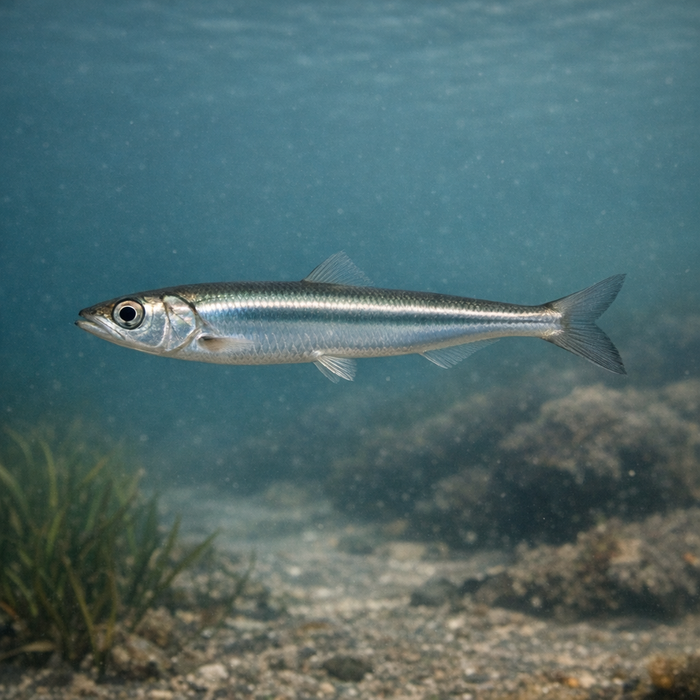
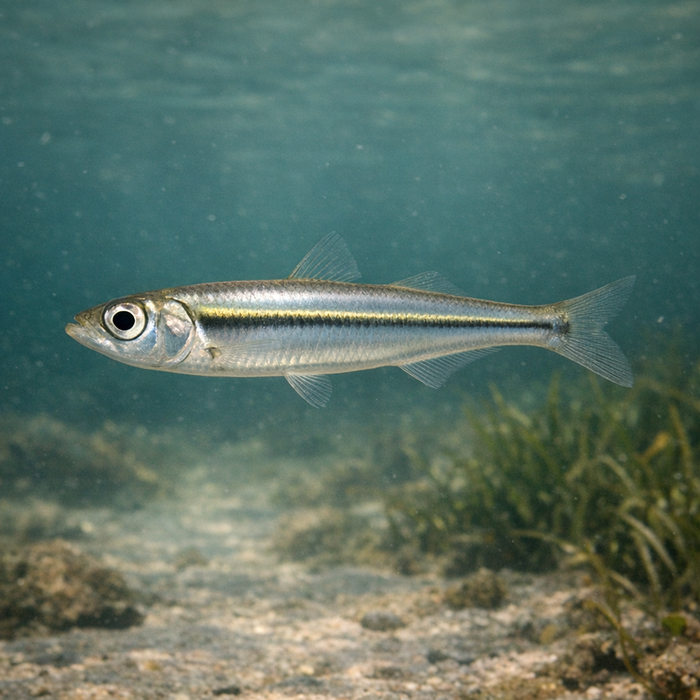
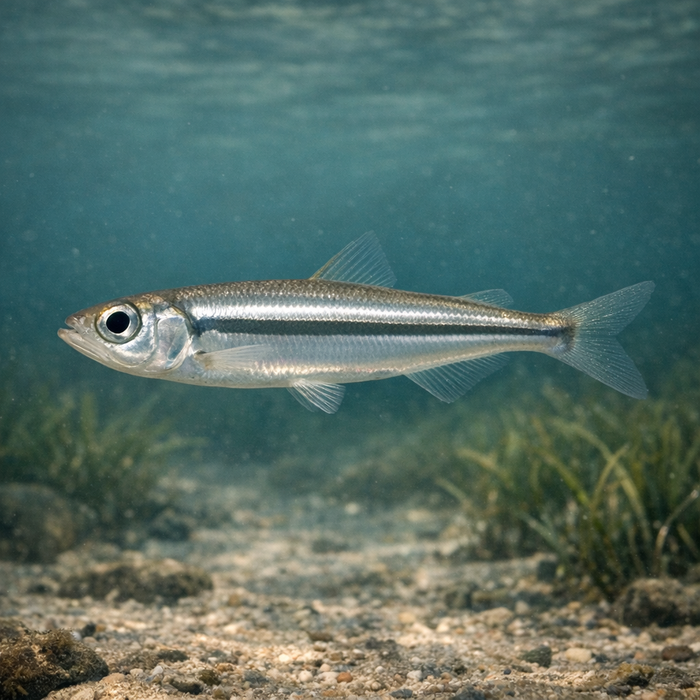
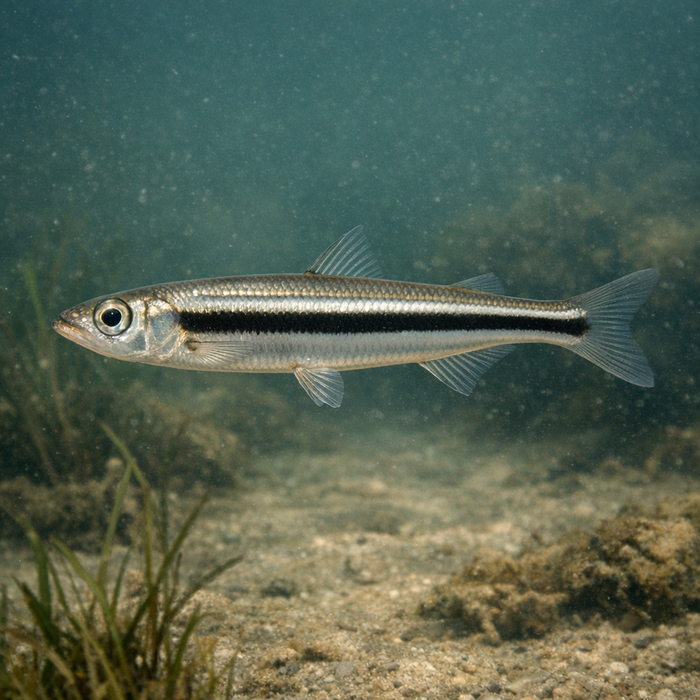
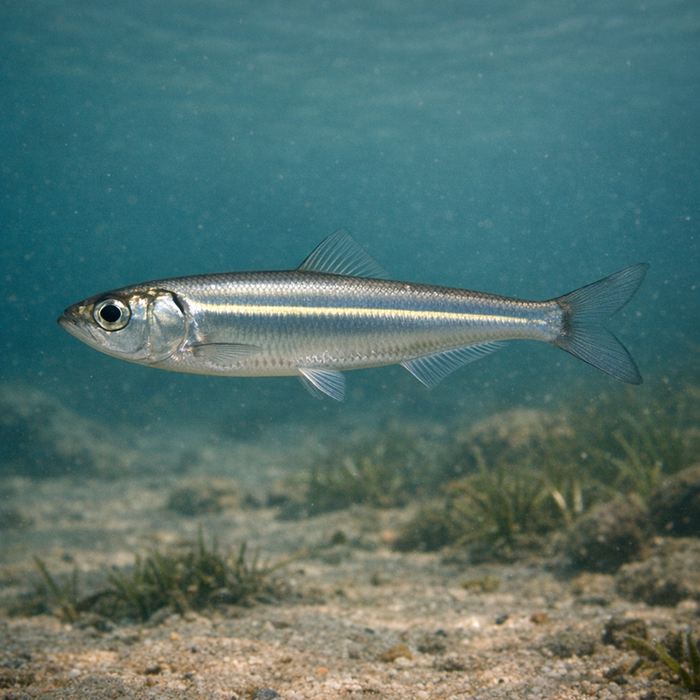
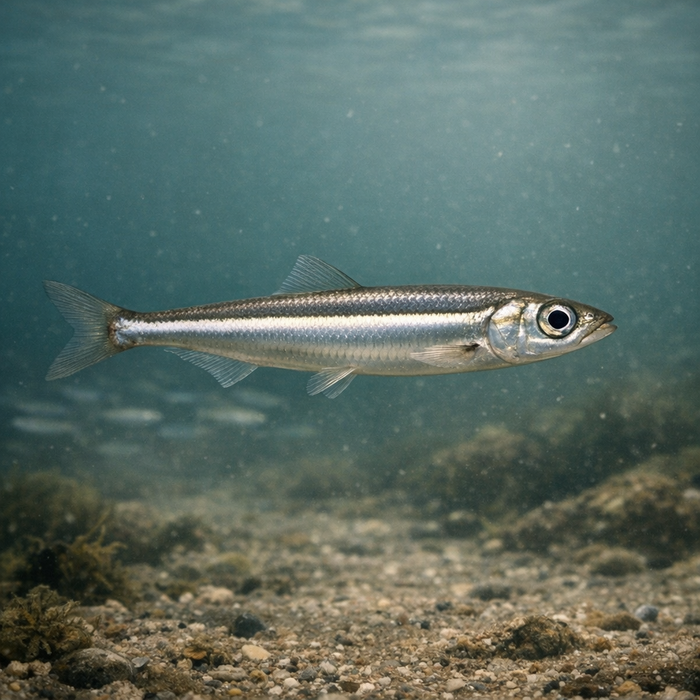
Slough Anchovy (Anchoa delicatissima): Estuary Glitter With A Job To DoIntroductionThe slough anchovy is the little silver conveyor belt that keeps estuaries humming. Blink and the school has shifted, gleaming just under the surface, vacuuming micro-life, and fueling everything from halibut to pelicans. You won't book a charter to chase them, but if you fish coastal bays long enough, you'll realize these tiny rockets are the grease in the food-web gears. Here's your crash course in slough anchovy facts and why they matter.What Makes the Slough anchovy Unique?Start with the name: Anchoa delicatissima is exactly that, delicate. Their scales slough off at the slightest mishandling, leaving a glitter trail that betrays the school's path. They also pack absurdly fine gill rakers, turning their mouths into plankton sifters capable of harvesting clouds of microcrustaceans. And unlike their offshore cousins, the slough anchovy is a brackish specialist, thriving where freshwater meets salt in muddy creeks, back-bays, and calm inside corners others skip. All of that, packed into a body that tops out around the length of your pinky.Habitat & Global RangeIf you're after slough anchovy habitat, think edges: mudflats, eelgrass fringes, tidal creeks, and man-made pockets with a gentle current. They ride the tides like public transit, taking the flood up-channel and slipping back with the ebb. Their range centers on Pacific Coast estuaries of the eastern Pacific, especially central and southern California and northwestern Baja. You'll spot them where light meets plankton: marina lights at night, sunlit shallows during clear, calm mornings, and murky seams stirred by tidal pulses. They're comfortable in wide salinity swings and can pack into water barely deep enough to cover their backs.Behavior & TemperamentSlough anchovy are pure schoolers. The unit is the swarm, and the swarm acts like a single living thing: compress to dodge birds, widen to feed, surge forward when current rips, then stall out behind a piling when the tide slacks. They're not aggressive by gamefish standards, but they'll tap a tiny sabiki, especially if you tip it with a sliver of shrimp. They spend most time near the surface and midwater, rising higher when plankton stacks and ducking a touch deeper under bright sun or heavy harassment. They don't brawl when hooked; the "fight" is a flutter and a sparkle.Ecological ImportanceThis is the bait that makes other fish possible. A slough anchovy condenses plankton into protein pellets for predators with bigger plans. Striped bass, halibut, leopard sharks, corbina, terns, pelicans, and seals cash checks written by anchovy schools. When they flood into inside waters each warm season, you'll see everything perk up: clearer sign on flats, more bird life, and bait dimpling everywhere. They also move nutrients through the maze of marsh channels, a mobile bridge between microscopic life and everything anglers actually chase. Without slough anchovy, your bay would feel empty and eerily quiet.Conservation & Environmental PressuresThe slough anchovy isn't a headline species, which is a blessing and a blind spot. Estuary health drives their fortunes. Polluted runoff, reduced tidal exchange, dredging, and habitat loss squeeze the quiet corners they use. Warm-water spikes can shuffle plankton timing and push schools into odd places. Because they're tiny and short-lived, populations can rebound fast when conditions ease, but they're also the first to register trouble. If your local slough goes silent on bait, look upstream: flow, nutrients, and clarity all matter.The FishyAF TakeYou don't fish the slough anchovy for glory. You fish around it for everything else, and you watch it to read the water. Find the dimpled slick under dock lights and you've got a grocery store for halibut on the adjacent drop. See nervous, flashing bait in a marsh channel and you know something sharp-toothed just clocked in. If micro-angling is your thing, a tiny sabiki and a cup of chopped shrimp will load a bait bucket quickly. The slough anchovy won't rip drag, but it will tell you exactly when your bay is alive. That's the kind of intel you can't buy, and the kind of Slough anchovy facts worth remembering.