Candiru (Vandellia cirrhosa): The Tiny Catfish That Makes Another Fish Pay for Dinner
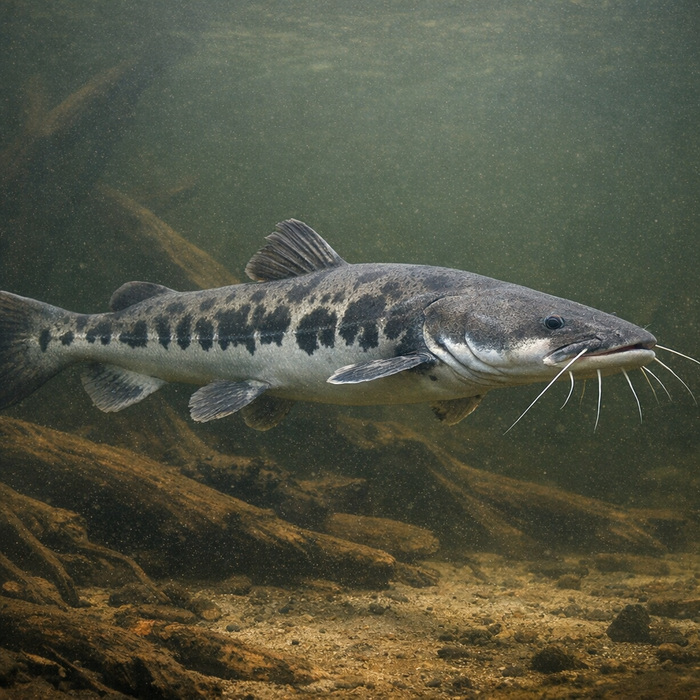
The Candiru does not need a spectacular strike or a screaming drag to earn your attention. Its actual feeding routine is stranger than most fishing stories: enter another fish’s gill chamber, open a blood vessel, take a meal, and leave. This freshwater member of the Trichomycteridae family is a blood-feeding parasite, not a miniature version of the bottom-feeding catfish anglers usually picture. Its reputation also comes loaded with sensational stories about humans, but those claims deserve scrutiny rather than another breathless retelling. The real animal is interesting enough without giving it a horror-movie script. Start with the biology, leave the campfire embellishments behind, and this little specialist becomes considerably more impressive.
What Makes the Candiru Unique?
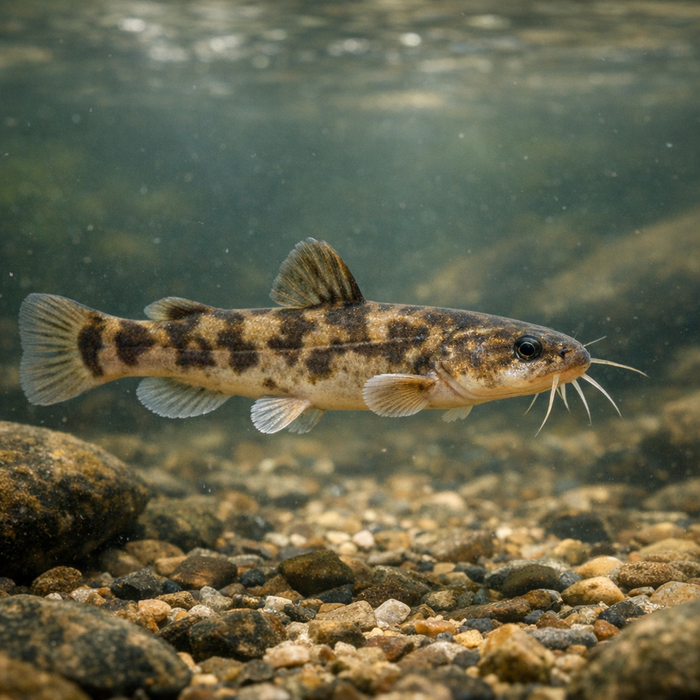
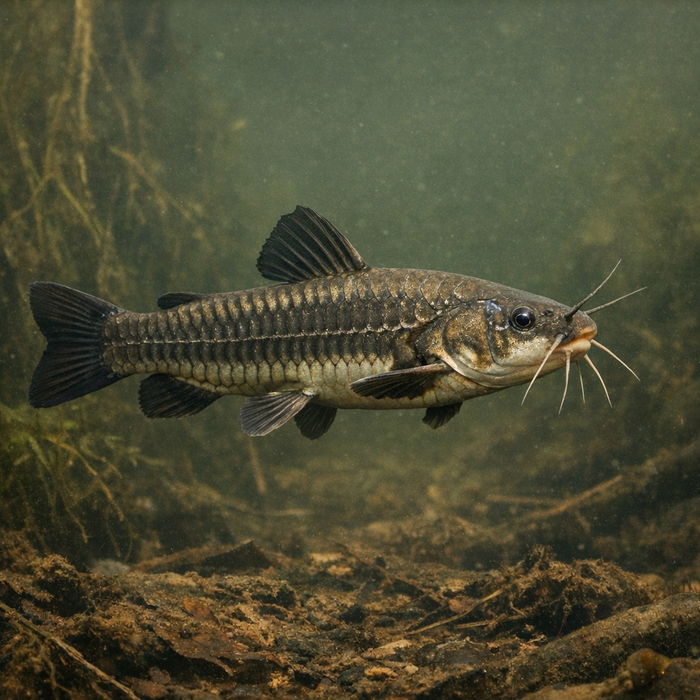
Three features define this fish: a body built for tight spaces, equipment for staying attached, and an unusually direct route to dinner. Its narrow, elongated body is translucent, while backward-facing spines around the gill covers help anchor it during feeding. The Candiru uses fine, sharp teeth to cut a host’s blood vessel. Researchers concluded that the host’s own blood pressure can drive blood into its digestive tract, making the familiar description of a blood-sucking fish mechanically misleading. Think less suction pump, more unauthorized plumbing connection. That distinction is one of the best Candiru facts because it replaces a vague monster label with a genuinely remarkable feeding mechanism. Small does not mean simple, and this fish makes that point rather forcefully.
Habitat & Global Range
Candiru habitat centers on tropical South American freshwater, particularly the Amazon basin. Documented distribution includes Bolivia, Brazil, Colombia, Ecuador, and Peru; occurrence in the Orinoco basin is treated more cautiously in some summaries. Shallow river margins with sandy or muddy bottoms are important habitat, and inactive individuals can bury themselves in soft substrate. That puts the emphasis on the riverbed and its small inhabitants, not on dramatic rock walls or offshore structure. For anglers, a famous river name is not a fishing location. A distribution map establishes where a species occurs; it does not establish dependable access, local abundance, or a recreational fishery worth booking.
Behavior & Temperament
This is a persistent host-seeking specialist, not an aggressive game fish in the conventional sense. Observed feeding begins with an approach toward a larger fish’s gill region, followed by attempts to enter beneath the gill cover. Hosts can resist by closing the cover or sweeping the intruder away with a pectoral fin. The Candiru’s behavior therefore makes more sense as a contest over access than as a chase ending in a swallowed prey item. Neither fish is cooperating. Claims about routine attacks on humans should remain separate from this documented fish-on-fish behavior; the evidence behind the notorious human stories has been questioned in a scientific review. Reputation is not a substitute for observation.
Ecological Importance
The Candiru occupies a distinctive feeding niche by taking blood from other fishes. That relationship adds a form of parasitism to a food web anglers often imagine mainly as bigger fish eating smaller fish. Its ecological significance does not require claiming that it controls host populations or keeps entire rivers healthy; those broader effects are not established by the feeding observations. The useful lesson is more grounded. A river community includes relationships that never produce a surface boil, a recognizable bite, or a photograph beside a measuring board. Understanding those relationships gives anglers a fuller picture of the water they fish, even when the species involved never belongs on their target list.
Conservation & Environmental Pressures
The Candiru is listed as Least Concern, consistent with the species profile. That classification should not be stretched into a claim that every local population is secure. Amazonian aquatic ecosystems face pressures from pollution, mining, dams, and changes to river habitats and connectivity. For a fish dependent on both suitable habitat and living hosts, concern about those changes is a reasonable ecological inference, not proof of a measured species-wide decline. Its conservation story should therefore stay proportionate: acknowledge the current category, protect river systems, and avoid inventing population trends. An unpleasant reputation is no reason to dismiss an animal’s place in its native ecosystem.
The FishyAF Take
This species is a lousy candidate for a conventional fishing challenge and an excellent candidate for a reality check. The species profile identifies no established recreational tackle, bait, or rod-and-line technique. Calling it an expert challenge does not magically create a fishery. The Candiru earns respect through specialization, not sporting credentials. Do not sell anglers a secret rig, a miracle bait, or a guaranteed month when none has been validated. And do not let the human-horror legend eclipse the actual fish. The honest version is already outrageous: a tiny catfish making its living inside the breathing apparatus of larger fishes. Appreciate it, identify it carefully, and leave the imaginary trophy campaign at the dock.