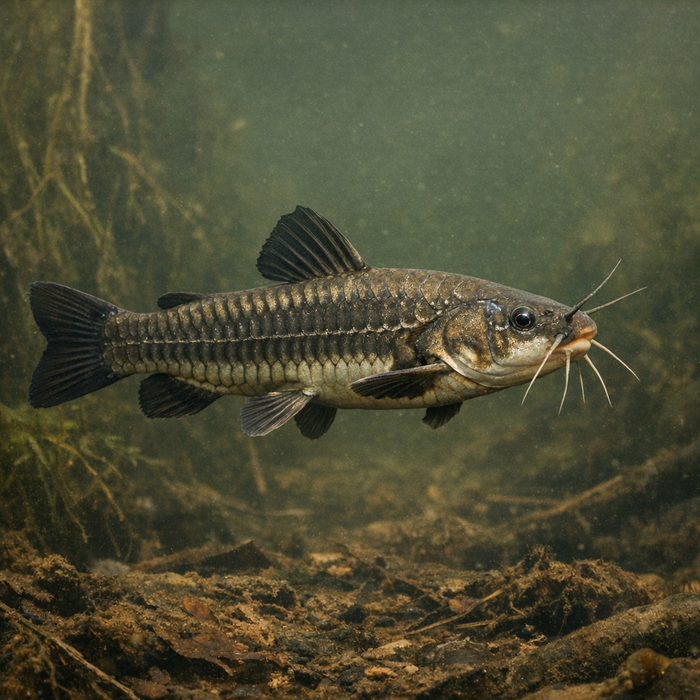
Mekong Giant Catfish (Pangasianodon gigas): A Toothless Heavyweight With a River-Sized Problem
Some fish earn their reputation with teeth. The Mekong Giant Catfish does it with sheer mass, an unlikely plant-based menu, and the ability to make ordinary freshwater tackle look optimistic. This Southeast Asian giant belongs to the shark catfish family, but the name does not make it a shark or a flesh-hunting river villain. Adults feed principally on algae and detrital material. Think enormous river grazer, not underwater chainsaw.
For anglers, its appeal is obvious: extraordinary size and a genuinely demanding encounter. But there is a boundary worth drawing immediately. A stocked fishing lake offers a very different proposition from targeting a critically endangered fish in its native river. Those two worlds should never be casually confused.
What Makes the Mekong Giant Catfish Unique?
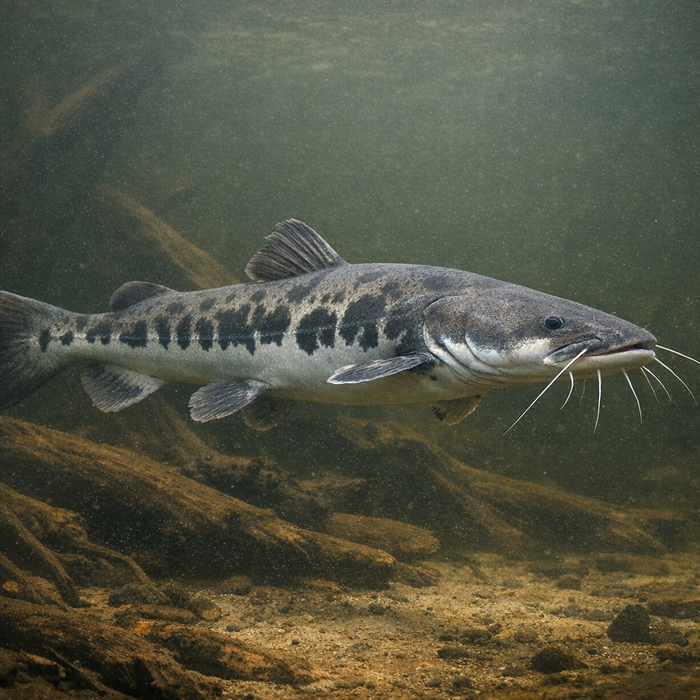
The first standout is scale. A wild specimen netted in northern Thailand in 2005 weighed 646 pounds, placing the species among freshwater fishing's most astonishing heavyweights. That fish was not a rod-and-line sporting record, and its weight should not be confused with the approved 260-pound angling benchmark. Either way, “giant” is doing honest work here.
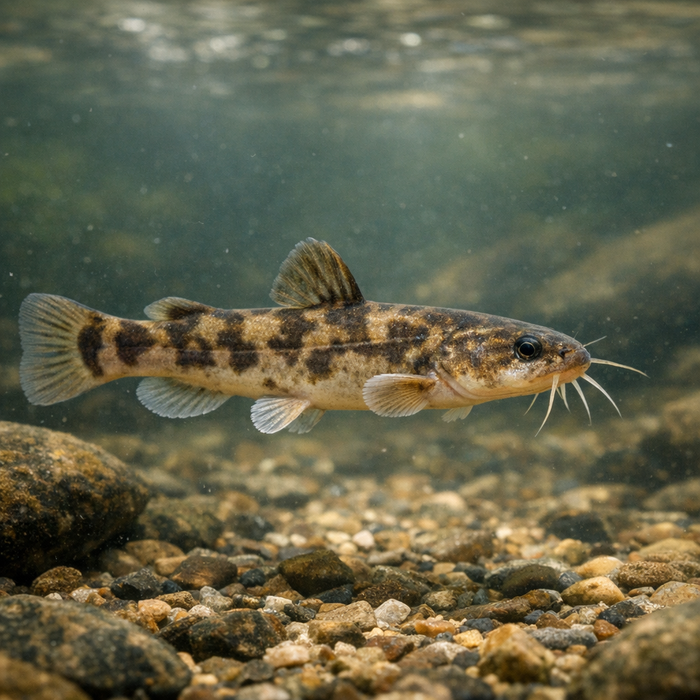
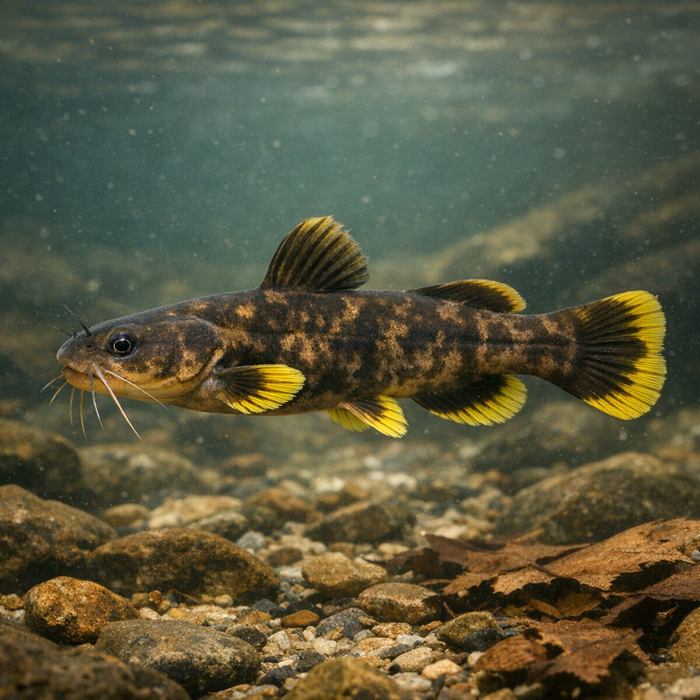
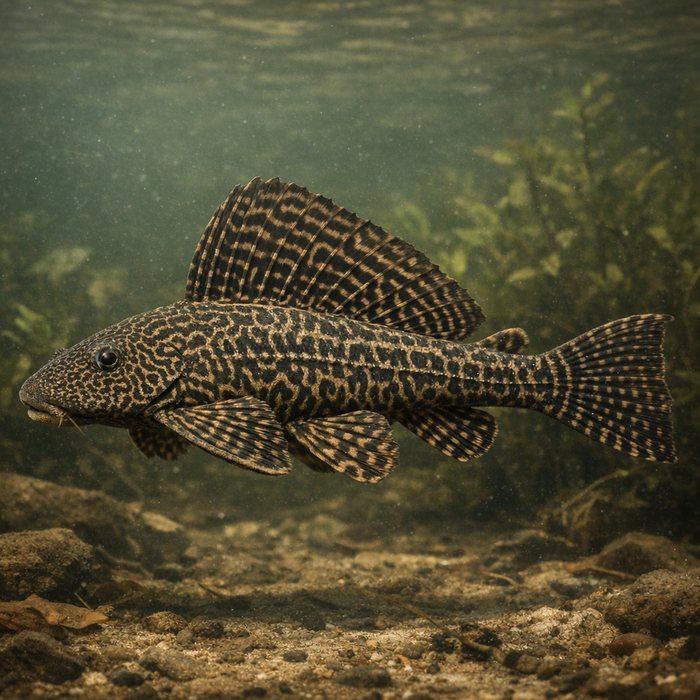
The second is its changing anatomy. Small juveniles possess oral teeth and developed barbels. As they grow, oral teeth disappear and the chin barbels become rudimentary. Adults consequently lack the prominent whiskered appearance many anglers expect from a catfish. Gill rakers also diminish or disappear during development. This is not simply a familiar catfish enlarged several times; its transformation involves a substantial redesign of the feeding apparatus.
Among the most useful Mekong Giant Catfish facts is that enormous adult size does not imply a predatory diet. Its bulk and feeding ecology make a memorable combination: a freshwater heavyweight without the usual monster-fish dental equipment.
Habitat & Global Range
Natural Mekong Giant Catfish habitat centers on the Mekong basin, where large river channels, deep pools, and connected seasonal habitats matter more than a single favorite hole. Historical records describe a wider distribution than the scattered modern encounters anglers might imagine. Its native setting is a functioning river network, not an isolated trophy pond.
Deep river areas are particularly important during the dry season. Cambodia's Tonle Sap system also features in its life history, with the connecting river providing a migration corridor. Exact routes and spawning locations remain incompletely understood, so tidy maps can imply more certainty than the evidence supports.
Thailand's managed fisheries provide a separate angling setting. Stocked lakes make encounters possible outside the species' natural river routine, but they cannot tell the whole story of its wild habitat requirements.
Behavior & Temperament
The Mekong Giant Catfish is migratory, with movement associated with changing river conditions and reproduction. That makes connectivity a basic requirement rather than an optional habitat upgrade. A deep pool is useful; a deep pool cut off from the rest of the life cycle is another matter entirely.
Its adult feeding strategy also changes the angling conversation. In captivity, it accepts foods beyond its natural river diet. Bread and rice-bran presentations are established offerings at managed Thai fisheries, where feeding history and local practice influence the approach. Its herbivore classification does not mean every stocked fish eats only wild vegetation.
On the rod, this is a serious heavy-tackle challenge. Historical record-catch accounts describe a prolonged fight, not a quick lift over the rail. The sensible response is preparation, controlled pressure, and professional landing help—not theatrical light-tackle heroics.
Ecological Importance
This giant represents a river functioning at a scale that small habitat patches cannot replace. Its needs connect feeding areas, seasonal refuges, and migration corridors. Protecting those connections also means protecting the wider aquatic community that depends on them.
The species carries cultural importance as well as biological weight. In Cambodia, its Khmer name translates as “royal fish,” an appropriately grand label for an animal that commands attention without a mouthful of weapons. Its conservation story therefore reaches beyond trophy photographs into the relationship between people and the river.
Conservation & Environmental Pressures
The Mekong Giant Catfish is critically endangered. Overharvesting, habitat deterioration, and barriers to movement threaten its future. Hydropower development is especially consequential for a migratory species because dams can interrupt journeys and alter the river conditions on which those journeys depend.
Captive breeding is valuable, but a lake full of large fish is not evidence that wild populations have recovered. Maintaining fish under managed conditions and rebuilding a self-sustaining river population are different achievements. Conservation requires suitable habitat and surviving wild fish, not merely impressive stocking lists.
For visiting anglers, the practical distinction is straightforward: choose a properly operated managed fishery, follow its tackle and handling rules, and keep conservation—not possession—at the center of the encounter. Staff-assisted handling in water is a far better finish than dragging a giant onto a bank.
The FishyAF Take
The Mekong Giant Catfish deserves better than being reduced to a weight on a bragging board. Yes, the size is outrageous. Yes, the tackle needs respect. But the most interesting part is the contradiction: a toothless grazer with heavyweight presence and a wild future that remains precarious.
Fish for the experience, not ownership. Bring enough tackle, accept staff guidance, and let the photograph happen only if the fish is doing well. The best story ends with a controlled release, not a longer pose. Big fish deserve big respect; this one deserves a functioning river, too.