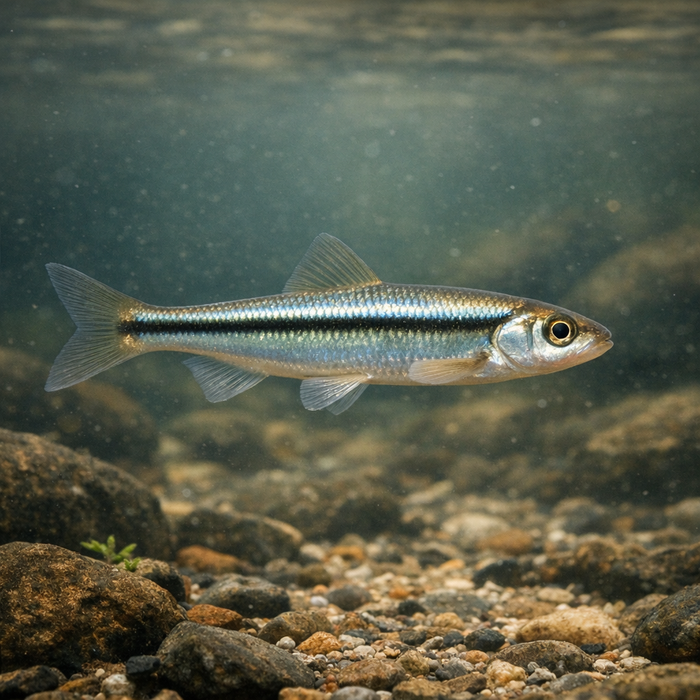
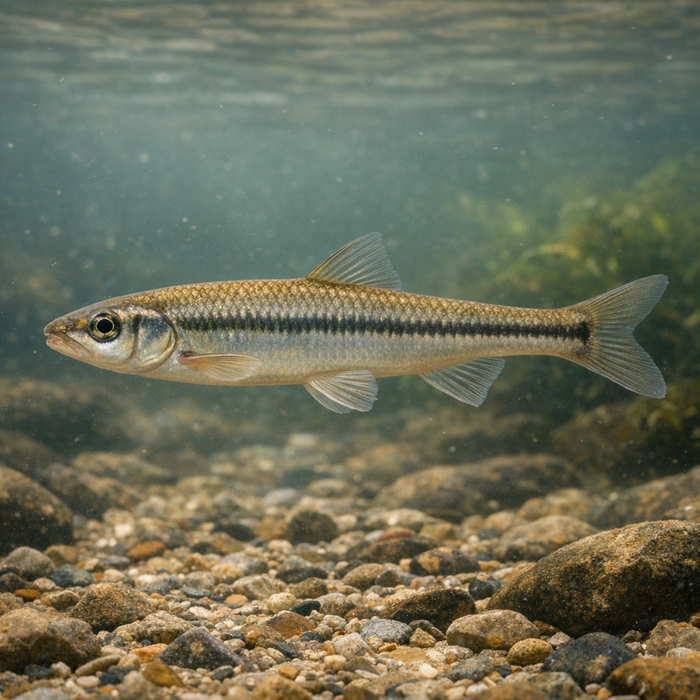
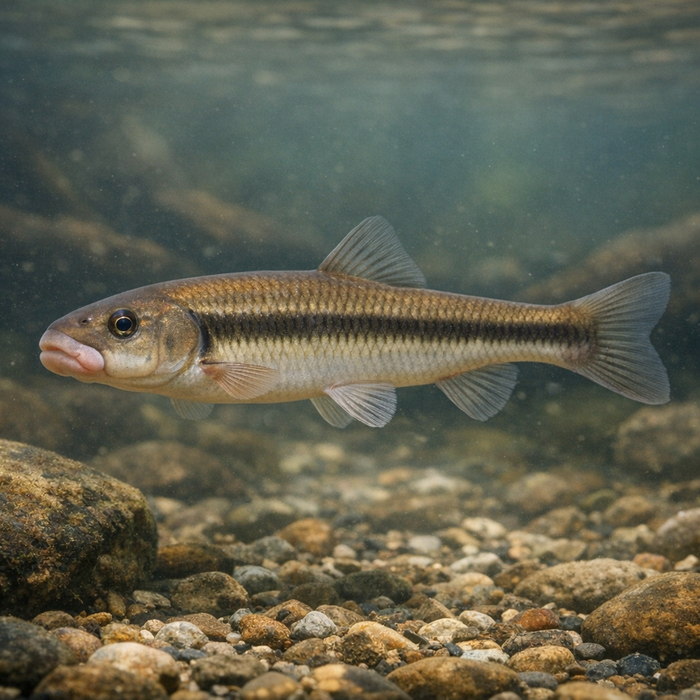
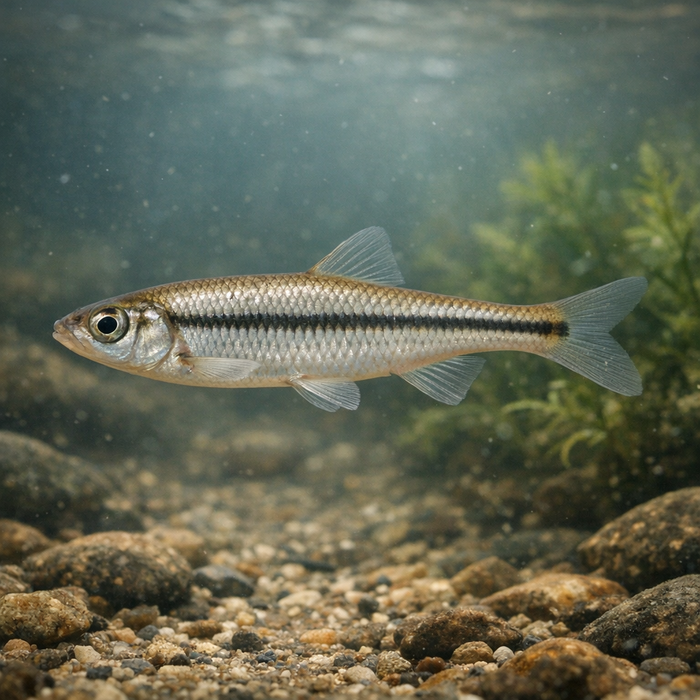
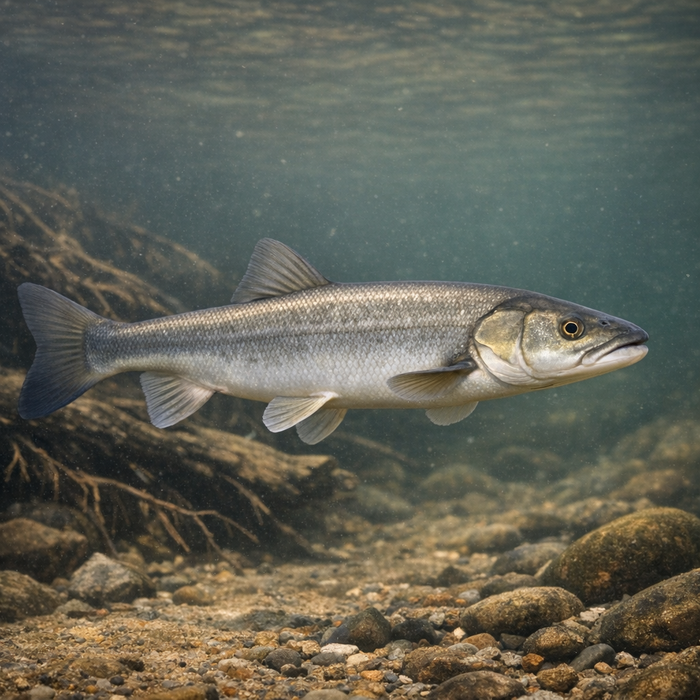
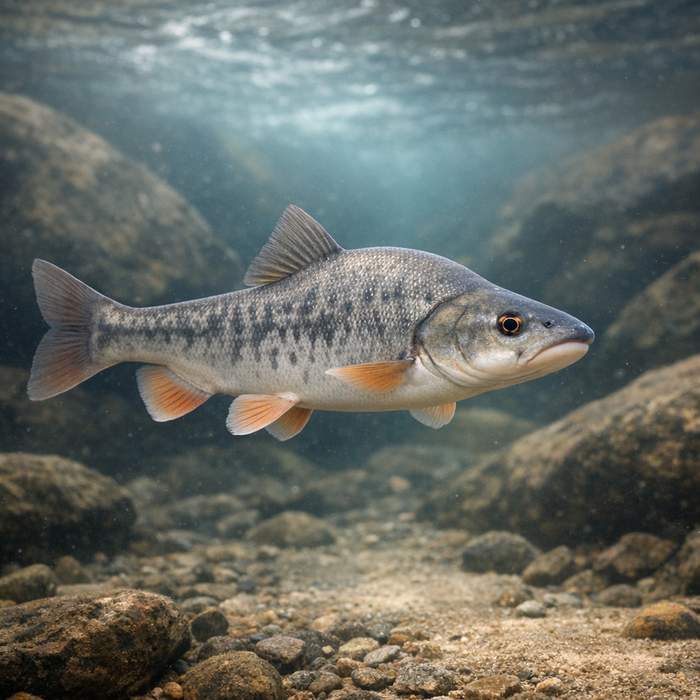
Cape Fear Shiner (Notropis mekistocholas): A tiny yellow ghost of the Carolina Piedmont that demands respect more than pursuit.IntroductionThe Cape Fear shiner is the fish equivalent of a rare vinyl pressed in microscopic quantities-beautiful, specific, and off-limits. Endemic to North Carolina's Cape Fear River basin, this minnow flashes bright gold in spring and disappears into tea-stained runs the rest of the year. Anglers spot them while microfishing for common shiners, then immediately realize this isn't a target but a conservation story. So yes, learn the Cape Fear shiner habitat, its rhythms, and what keeps it alive. Then keep the hooks pointed elsewhere.What Makes the Cape Fear shiner Unique?First, the color show. Breeding males can turn electric-canary, a flash of sunshine drifting above clean gravel. Second, the plumbing. The scientific name, Notropis mekistocholas, points to a long intestine, which is perfect for grazing biofilm, algae, and detritus rather than hunting fish. Finally, its home address is shockingly narrow-just a handful of Piedmont creeks and small rivers, stitched together by riffle-pool sequences and clean substrate. The Cape Fear shiner is a specialist doing specialist things.Habitat & Global RangeThere is no global range to brag about. The Cape Fear shiner lives in the Cape Fear basin, period. It prefers moderate-flow runs feeding into shallow pools, with clean sand and gravel underfoot and woody debris at the margins. Think knee-deep or less, sunlight flickering through overhanging trees, and little seams of current that carry insect bits and algae downstream. Sediment is the villain here; it smothers the gravel, chokes eggs, and erases the fine-scale habitat this minnow needs. If you're assembling Cape Fear shiner facts, start with this: clean substrate is non-negotiable.Behavior & TemperamentThis is a schooling fish that favors safety in numbers. When flows tick up in spring, they stage near riffles and spawn as water temperatures climb into that temperate sweet spot. They're not brawlers, they're grazers-picking, scraping, and nibbling along the current. The Cape Fear shiner uses structure like rootwads and undercut banks, holding tight but moving as conditions shift. Floods push them to calmer pools; droughts concentrate them in refuges where a single logjam might mean survival.Ecological ImportanceDespite the size, the Cape Fear shiner plays a bigger role than most anglers would think. By grazing biofilm and algae, it helps keep the benthic buffet in balance and recycles nutrients through the food web. It's prey for larger fishes and a canary for stream health-when these shiners blink out, the stream's other residents are usually in trouble too. Protecting this fish means protecting the whole riffle-to-pool neighborhood.Conservation & Environmental PressuresThe species is federally endangered and IUCN Critically Endangered. The usual suspects are all here: sediment from development, altered flows from dams, drought, and water quality issues. Because the Cape Fear shiner's world is so small, one bad subdivision or a poorly timed flood can hit like a hammer. Biologists have leaned in with captive propagation and reintroductions to historic spots like the Deep and Rocky rivers, alongside habitat restoration that targets silt and flow. Progress is real but fragile.The FishyAF TakeFish this one with your eyes. The Cape Fear shiner is a bucket-list sighting, not a bucket-list catch. If you're microfishing for unprotected species nearby, run barbless hooks, two-pound line, and keep fish wet; avoid repeat drifts through known shiner schools. Better yet, grab a camera, admire the gold flashes, and leave the fish alone. The flex here isn't grip-and-grin-it's knowing the creek, the season, and the conservation work well enough to spot a Cape Fear shiner and keep it thriving.