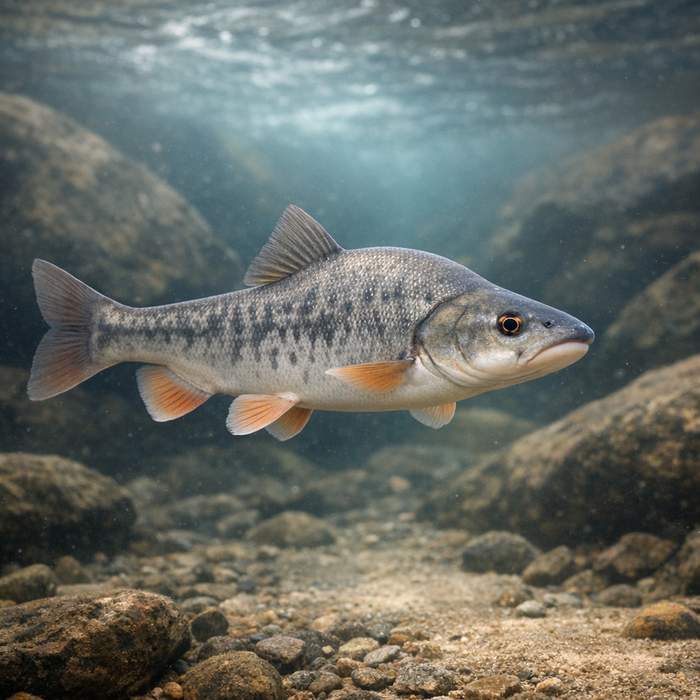
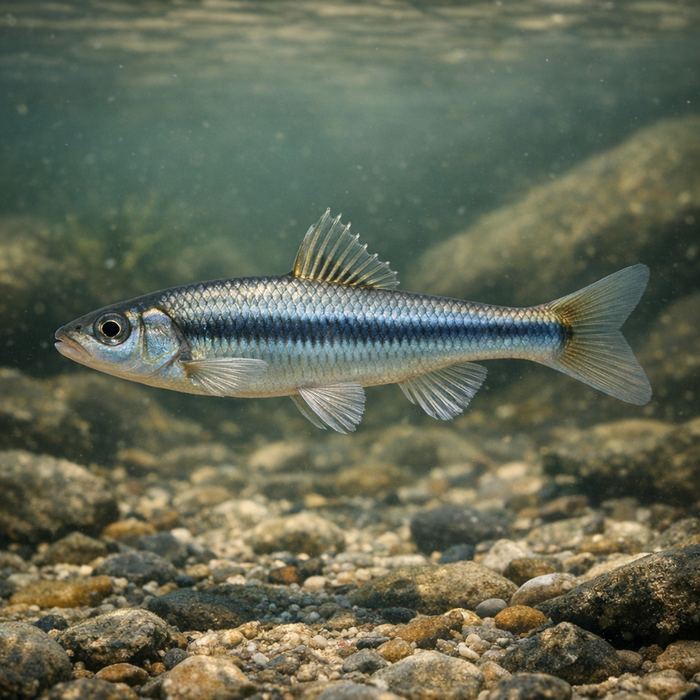
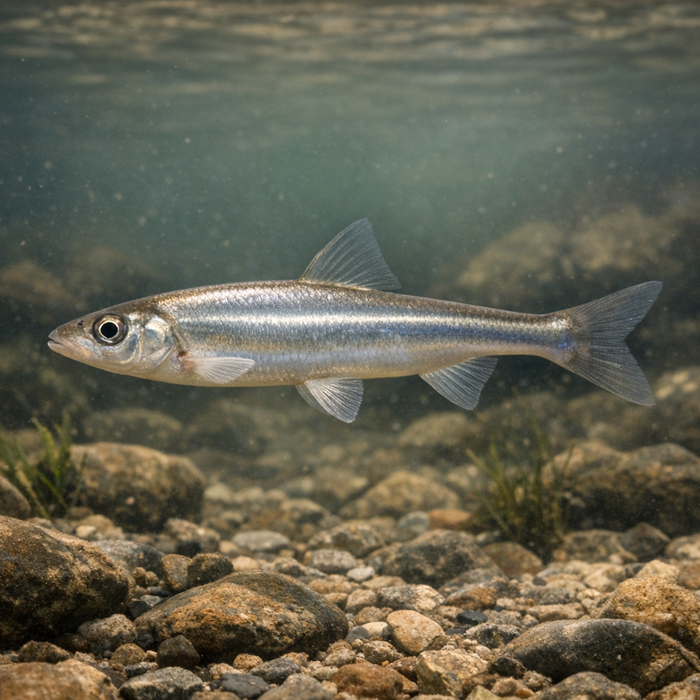
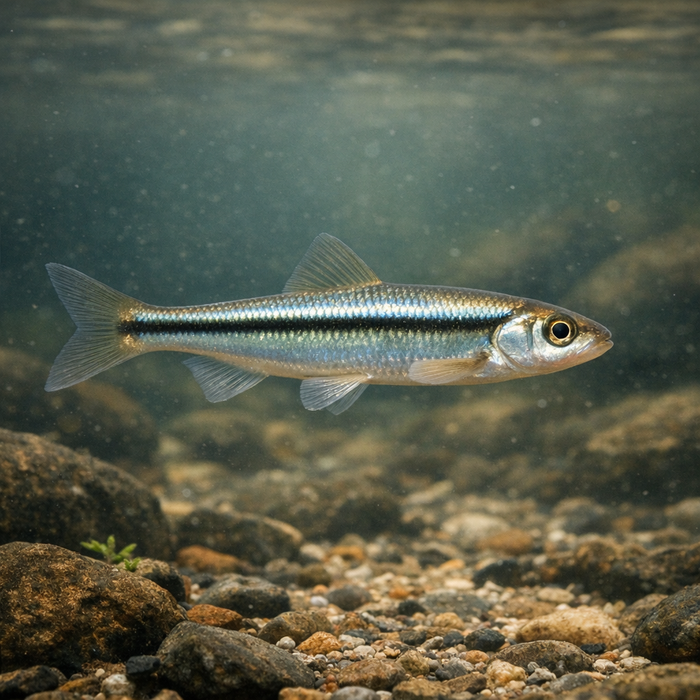
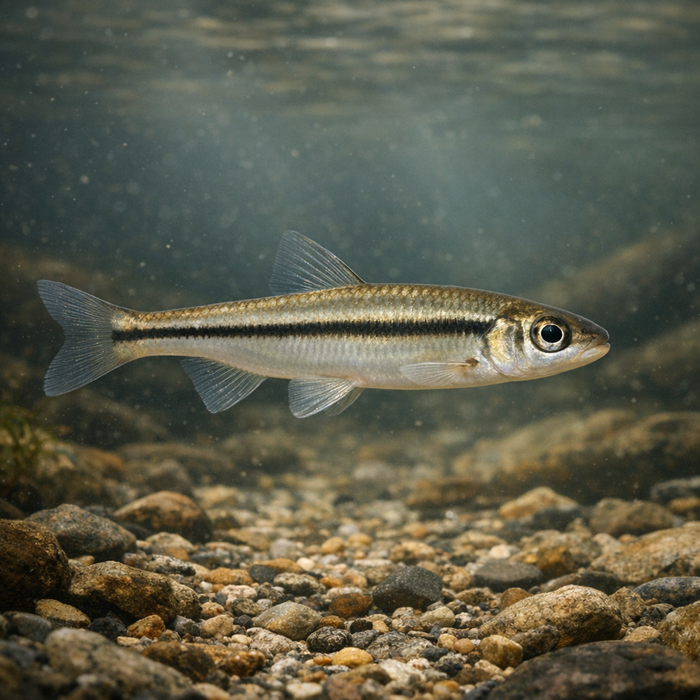
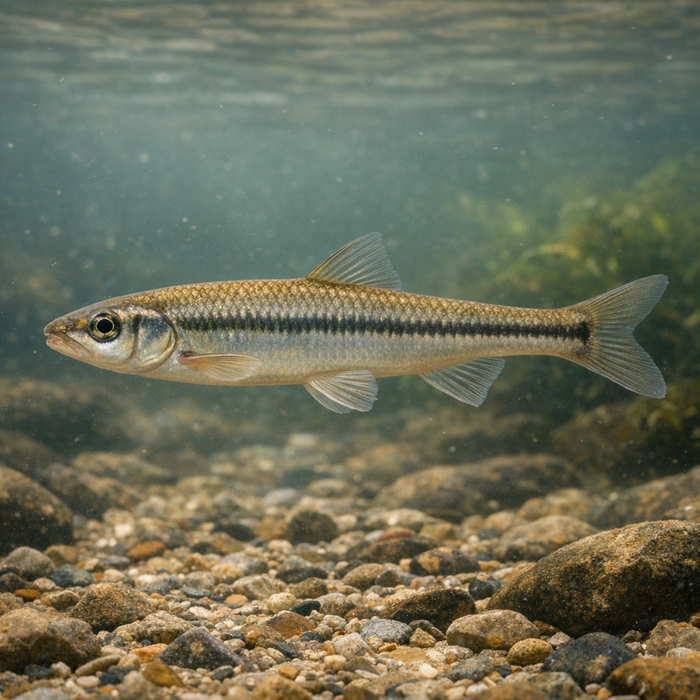
Colorado Pikeminnow (Ptychocheilus lucius): River torpedo, ancient instincts, big-water mystiqueIntroductionThe Colorado pikeminnow is the desert river enigma anglers whisper about and biologists obsess over. It's the largest native minnow in North America, a long-distance migrant built like a spear, and a survivor in a basin reshaped by dams and diversions. If you're here for Colorado pikeminnow facts, buckle up. This fish has outlasted boom-and-bust flows, canal dreams, and a century of bad ideas. It remains a symbol of what a wild river can still do when given half a chance.What Makes the Colorado pikeminnow Unique?First, scale up your idea of "minnow." The Colorado pikeminnow is a brawny predator, not a bait bucket extra. Its torpedo frame, cavernous mouth, and pharyngeal teeth are designed for eating other fish, fast. Second, this species is a marathoner. Adults can travel more than 200 miles to spawn on the same cobble bars year after year, homing with eerie precision. Third, it's a time capsule: individuals can live over four decades, carrying the river's memory in scar tissue and scale rings.Habitat & Global RangeDespite the name, "global range" is laughably small. The Colorado pikeminnow is a Colorado River Basin specialist, keyed to large, warm, turbid rivers like the Green, Yampa, Colorado, San Juan, Gunnison, and White. Think big water, shifting sand, cobble riffles, canyon eddies, and sprawling runs. Ideal Colorado pikeminnow habitat includes summer-warmed flows that hit the mid-to-upper 60s Fahrenheit, stable spring peaks that refresh spawning bars, and slackwater nurseries for drifting larvae. Fragmented reaches and cold tailwaters pinch these needs, but restoration work is re-stitching pieces of the puzzle.Behavior & TemperamentThe Colorado pikeminnow is a current-savvy sprinter that ambushes in heavy flow, then patrols edges, seams, and back-eddies. Adults tend to roam more than school, especially outside spawning windows. Feeding jumps during warm, stable conditions and eases when flows yo-yo. They're not topwater showboats; most action happens midwater to near-bottom around seams and travel lanes. Hook one and you'll feel torque, not acrobatics-think bullheaded drive in a conveyor belt of current.Ecological ImportanceThis fish is a native apex-style predator within its warmwater guild, balancing suckers, chubs, and other prey that evolved alongside it. Its migrations redistribute energy across miles of river, and its larvae depend on seasonal pulses that build sandbars and floodplains. In short, the Colorado pikeminnow is a barometer for river function: when flows, temperature, and sediment line up, populations respond. When they don't, you get silence where wild churn used to be.Conservation & Environmental PressuresDams cooled and flattened flows, nonnative predators crowded the buffet, and migration paths fractured. Compound that with altered sediment loads and you've got a master-class on how to sideline a specialist. The species is federally endangered, but not doomed. Flow management, fish passages, nonnative control, and habitat rehab have sparked real wins in places like the Green and Yampa. Recovery takes patience measured in river miles and decades, not press releases.The FishyAF TakeThe Colorado pikeminnow is the soul of the basin. You don't chase it for hero shots or meat; you tip your hat when a survivor ghosts out of a seam and reminds you rivers make their own rules. If you wanted Colorado pikeminnow facts, here's the one that matters: protect the rhythm-warmth, pulses, gravel, nursery slackwater-and the fish handles the rest. Respect closures, celebrate incidental encounters, and root for flows that let this native torpedo write the next chapter.