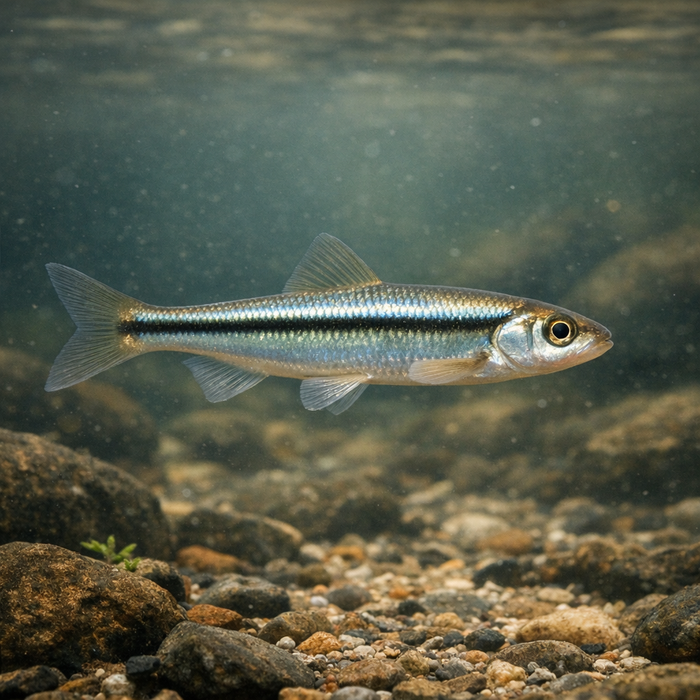
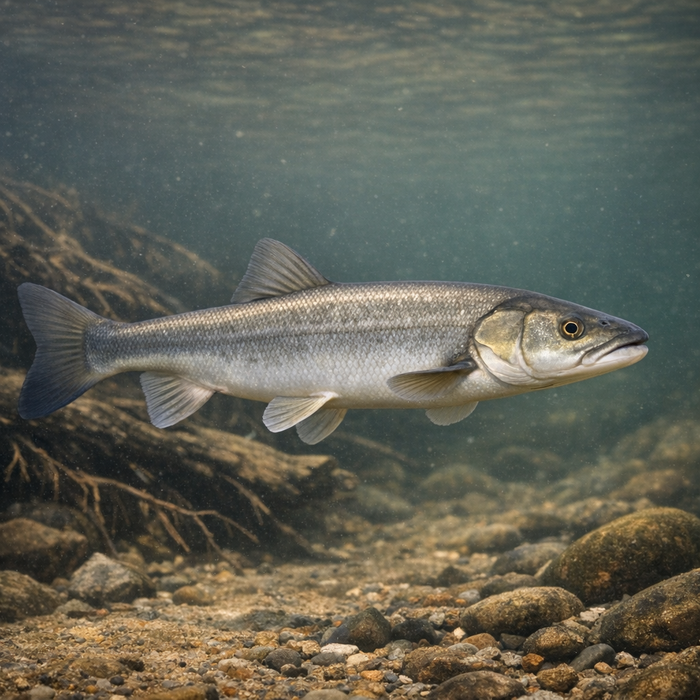
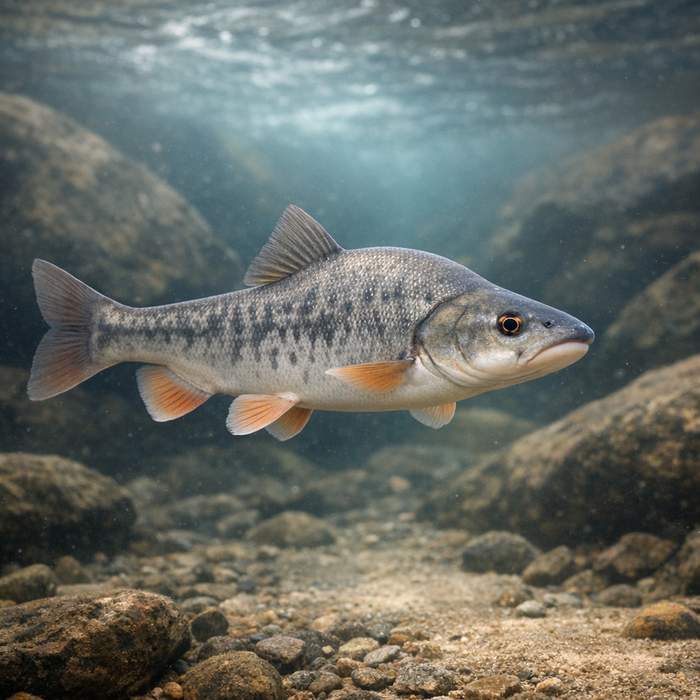
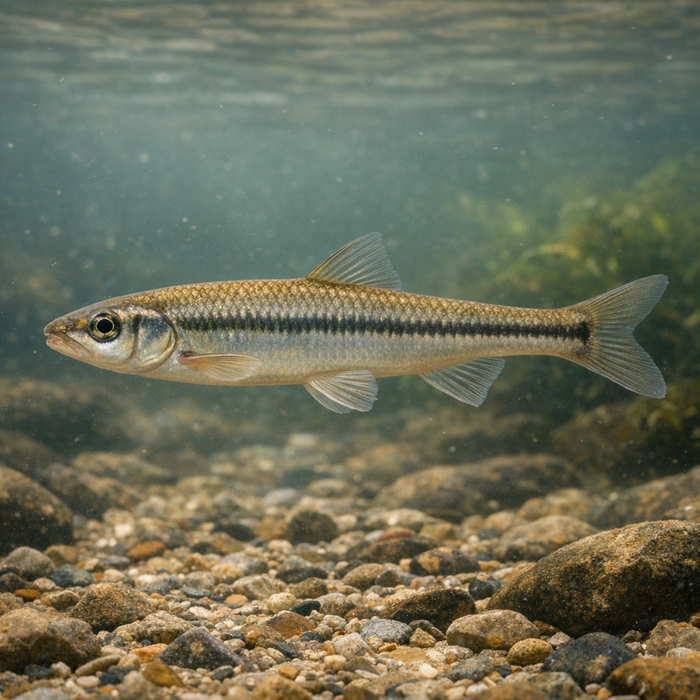
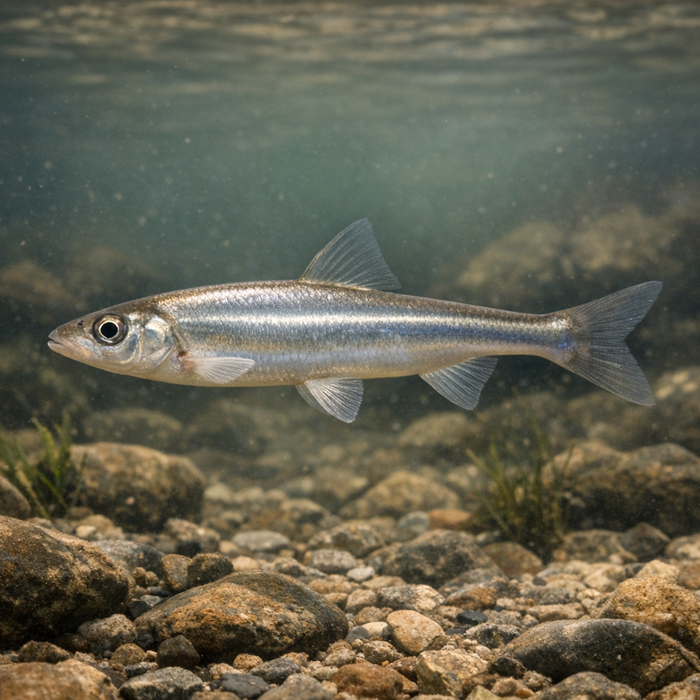
Spikedace (Meda fulgida): A Bold, Memorable Hook LineIntroductionThe Spikedace is a pocket-rocket minnow built for desert rivers, a chrome flash that grips fast water like it owns the riffle. It won't win any size contests, but if you're into gritty Southwest streams and fish with attitude-to-ounce ratios off the chart, this one's your spirit animal. Consider this your deep dive into Spikedace facts and the bigger story holding this species together.What Makes the Spikedace Unique?Start with exclusivity. The Spikedace is the only member of its genus, Meda, a monotypic oddball evolved for warm, swift desert flows. It wears a gleaming metallic sheen, especially during the breeding season, when males go brassy-gold and roughen up with tiny tubercles. The body is slim, the fins are soft and purposeful, and everything about the shape screams efficiency in current. Short lifespan, quick maturity, and a life timed to pulses of flow make the Spikedace a master of boom-and-bust hydrology.Habitat & Global RangeSpikedace habitat is the desert branch of freshwater: shallow, swift riffles and gentle runs over sand and fine gravel within the Gila River basin of Arizona and New Mexico, historically nudging into northern Sonora. It's a river specialist. Think ankle-to-knee-deep lanes with honest current, clean substrate, and just enough nearby slack to catch a breath. Dams, diversions, and silted channels punish it; restored, connected riffle-run sequences revive it. This is a fish that tells the truth about a watershed's pulse.Behavior & TemperamentThe Spikedace feeds like a drift sniper, intercepting invertebrates washed along midwater rather than rooting the bottom. It schools loosely, surging into productive seams when flows rise and easing back when they fall. Maturity arrives in the first year, spawning follows warm-season flow bumps, and a two-year life is normal. It's not cagey like a big trout, but it's hyper-tuned to current speed and substrate. If you read riffles, you're reading this fish's playbook.Ecological ImportanceTiny fish, huge job. The Spikedace converts desert river invertebrates into energy for higher tiers: birds, larger fish, and riparian wildlife. By keying on specific riffles, it also flags water-quality and habitat integrity with surprising precision. When Spikedace numbers crash, it's rarely a mystery; it's a headline about groundwater, temperature, connectivity, or invasive predators.Conservation & Environmental PressuresThe Spikedace is federally listed as endangered in the United States. Habitat fragmentation, reduced base flows, warming temperatures, channelization, and silt have all hit hard. Non-native predators and competitors added insult: bass, sunfish, and other introduced species reshape community dynamics and shred recruitment. Conservation has leaned into barrier management, flow protection, invasive control, and reintroduction at carefully chosen sites. Progress is real but fragile. One dry year, one poorly timed drawdown, and gains can evaporate.The FishyAF TakeThe Spikedace is the desert-river litmus test: if you've got clean, connected, seasonally honest riffles, you've probably got hope for this species. If not, you've got work to do. It's not a target for your bucket list, it's a reason to keep that bucket wet and flowing. Respect closures, keep hooks tiny and barbless when you're around sensitive water, and let this minnow recalibrate how you judge a fishery. Big is fun. Resilient is better. The Spikedace reminds us why moving water matters, and why we should fight for every riffle that still hums.