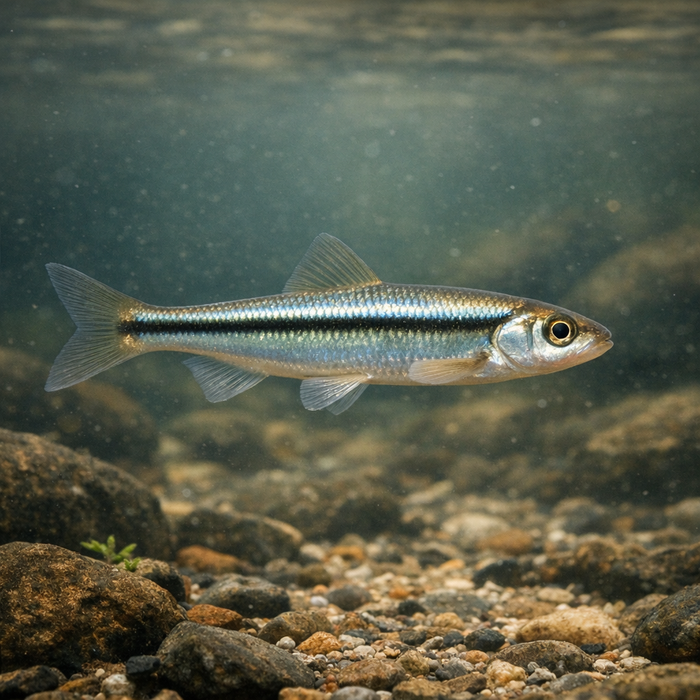
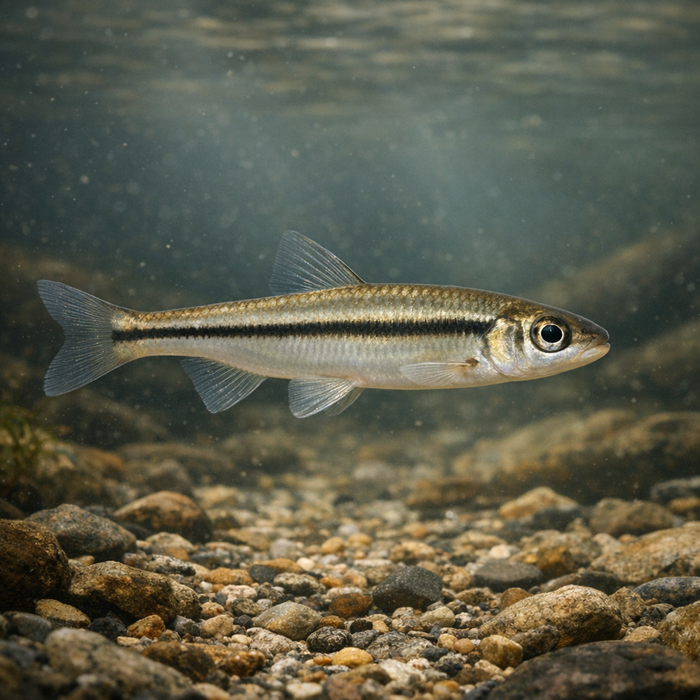
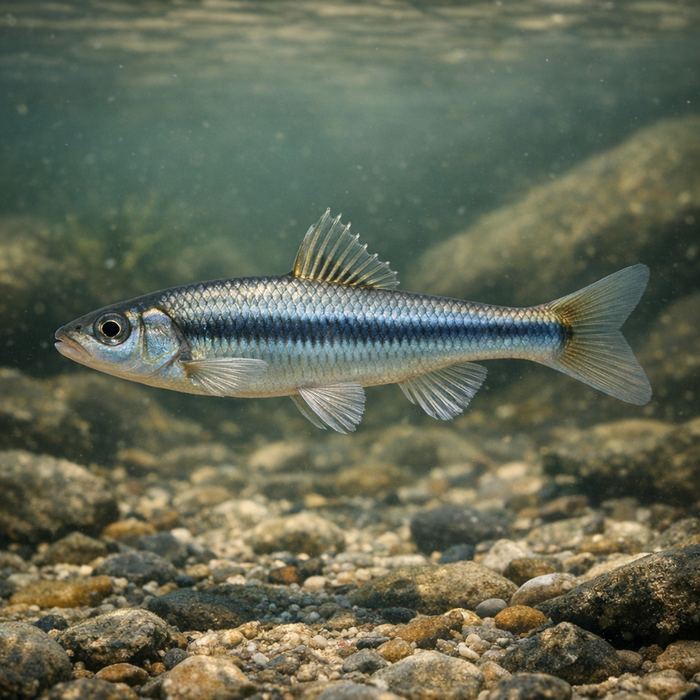
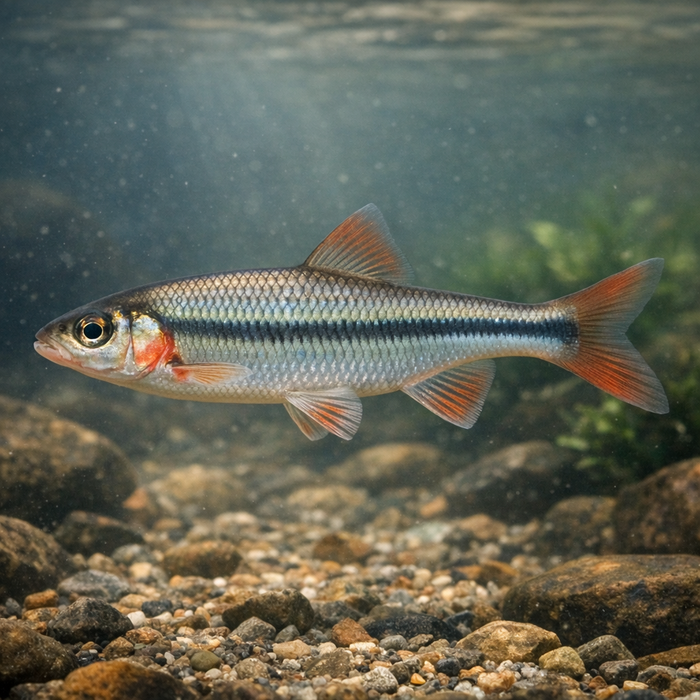
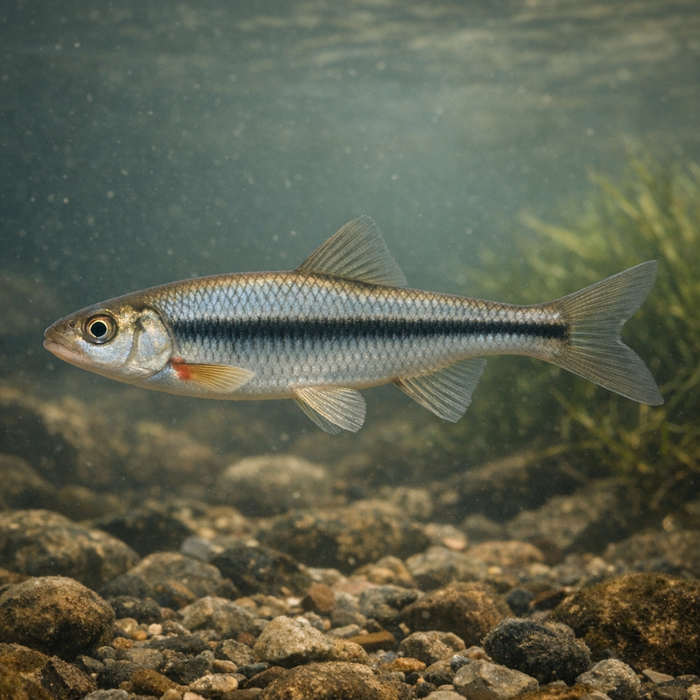
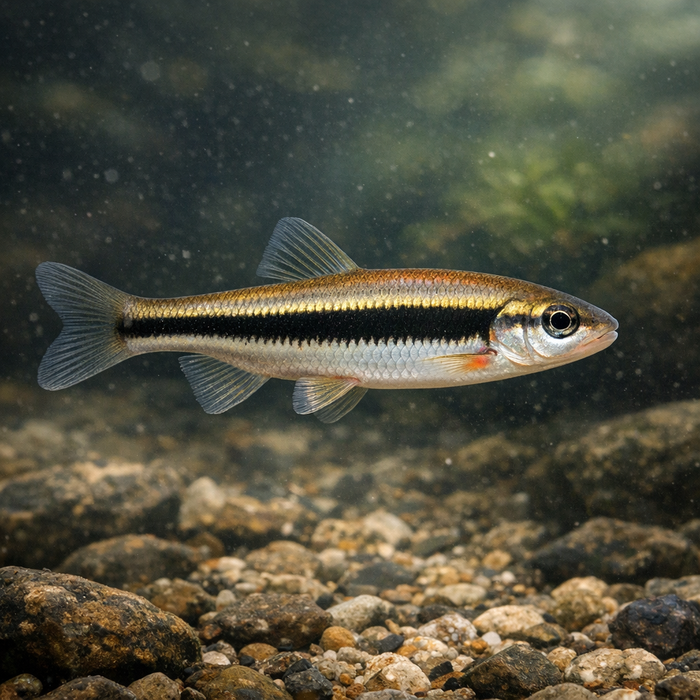
Slender Chub (Erimystax cahni): The rare riffle shadow that keeps biologists humble.IntroductionIf you fish long enough, you learn some species are legends you never hook. The slender chub is one of those. It is a tiny, silvery minnow with a loyal following among ichthyology nerds and microfishing diehards, but it is also federally protected and hanging on by a thread. Think of it as the riffle's white whale, just scaled down to pencil size. Slender chub facts almost always circle back to one point: protect clean gravel and steady current or you lose the fish.What Makes the Slender chub Unique?First, size and shape. The slender chub is absurdly streamlined, built like a toothpick with a heartbeat, made for hugging quick seams without getting tossed. Second, its life strategy is picky in all the wrong ways for today's rivers. It depends on clean, unsilted gravel to lay eggs, which is a tough ask below dams and in watersheds that bleed sediment. Third, it is a conservation symbol. The species has been detected in recent years by environmental DNA where nets came up empty, a modern ghost story with science receipts. Few fish are this small, this rare, and this good at dodging confirmation.Habitat & Global RangeThe slender chub is a Southeast specialist tied to free-flowing tributaries of the upper Tennessee River drainage, especially the Clinch and Powell systems. Slender chub habitat is a short checklist: clear water, moderate to swift current, and angular gravel or small cobble. You will see them over riffles and runs more than pools, often midwater just off bottom, sheltering behind tiny stones the way a trout uses a boulder. Their world is local. Barriers, altered flows, and silt can compress that world to just a handful of suitable riffles.Behavior & TemperamentCall it cautious by design. A slender chub reacts to shadow and vibration fast, sliding laterally into micro-eddies as if pulled by magnets. It feeds primarily on drifting invertebrates, nipping with a subterminal mouth built to sip, not smash. Schooling is loose and momentary, more like a handful of fish sharing a seam than a tight baitball. Spawning cues line up with warming spring flows, and movements are likely short hops to the right gravel rather than long migrations. Everything about its behavior screams efficiency and low profile.Ecological ImportanceFor a fish this small, the slender chub carries big indicator energy. If they are present, riffles are likely clean, oxygen rich, and intact. Lose them and you probably lost a lot more than a minnow. They thread energy from insects up the food chain and convert clean substrate into future recruits. Because they are specialized, their decline flashes red for sedimentation, poorly timed dam releases, and watershed abuse. Keeping slender chub around keeps a whole riffle community stable.Conservation & Environmental PressuresThe slender chub is listed as endangered, with historic localities now fragmented by dams and choked by sediment pulses from development, agriculture, and bank erosion. Cold, peaky tailwater releases can scramble natural cues. Invasive species can complicate the food web. The bright spot is science: recent environmental DNA hits suggest pockets still persist, and targeted habitat restoration can flip conditions from marginal to suitable. Real conservation for this fish means gravel that stays clean through storms, steady seasonal flow patterns, and watershed work that stops silt before it starts.The FishyAF TakeFor anglers, the slender chub is not a target. It is a litmus test. If your home river can support a species this particular, you are doing a lot right. If not, the fix is not a new lure, it is better flow management and less mud. Want a chase? Apply that obsession to protecting riffles and you might earn a rare sighting of silver flashes where science says they still hang on. That is the kind of flex that actually matters, and it keeps the legend alive. Those are the real slender chub facts worth bragging about.