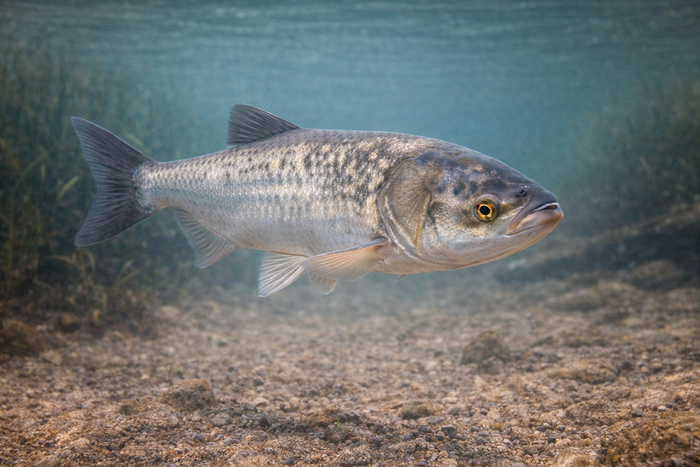
Catla (Labeo catla): The Big-Headed Carp That Makes You Fish Above the Bottom
Catla looks like a carp built with the head-size slider pushed too far. Broad forehead, deep silver body, oversized mouth: subtle it is not. But the real surprise is where it feeds. This heavyweight makes much of its living above the bottom, gathering tiny food from the upper water column rather than rooting through mud. That changes the angling equation immediately. You can have the right bait, the right water, and a perfectly respectable rig—and still be fishing underneath dinner. Its upturned mouth is your first clue. Pay attention to it.
What Makes the Catla Unique?
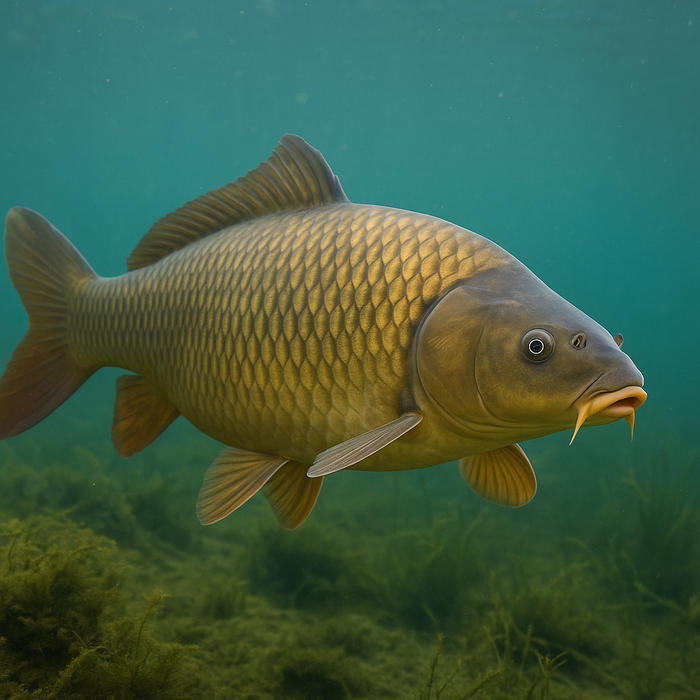
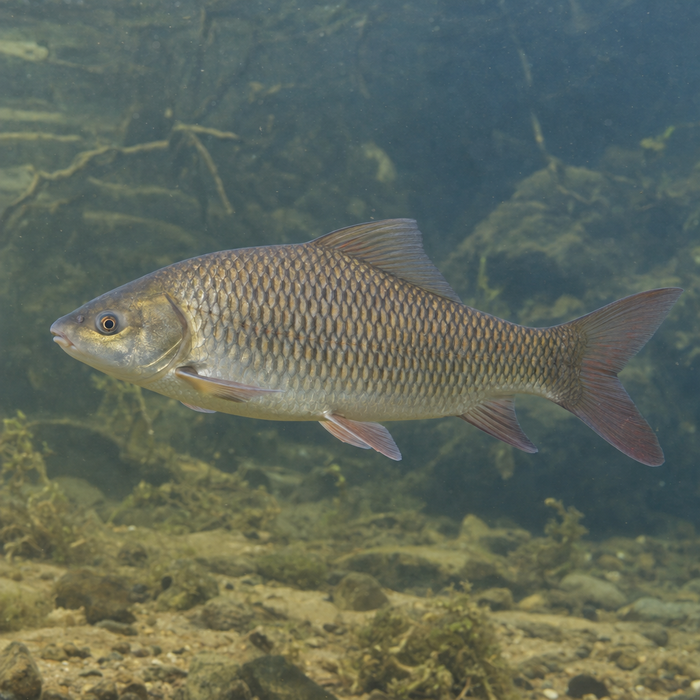
Three features tell its story: that enormous head, the upward-facing mouth, and long, fine gill rakers that help separate small food organisms from water. The projecting lower jaw gives it a distinctive profile, while its deep, laterally compressed body carries large scales. Unlike common carp, it has no barbels. These are useful identification details, not decorative trivia. They distinguish a fish equipped for collecting suspended food from the familiar image of a whiskered carp working the lakebed.
Among the most useful Catla facts is that omnivore does not mean indiscriminate scavenger. Animal plankton is especially important, alongside algae and other plant material. The fish can become impressively large on food that an angler would barely notice in a glass of water. Big mouth, tiny groceries: an excellent reminder that body size does not predict prey size.
Habitat & Global Range
Catla habitat centers on warm freshwater: lowland rivers, connected floodplain waters, lakes, reservoirs, and managed ponds. Its native distribution includes India, Bangladesh, Pakistan, Nepal, and Myanmar. Stocking and aquaculture have carried it beyond that native footprint, including Sri Lanka and additional parts of Southeast Asia. Native river populations and stocked reservoir populations belong to the same species, but they do not necessarily live under the same ecological conditions.
For anglers, the listed fisheries stretches from Srisailam and Pong reservoirs to Powai Lake, Kaptai Lake, and Udawalawe Reservoir. Treat those names as starting points, not open invitations. Fishing rights, stocking history, shoreline access, and water levels matter more than a famous name on a map. A productive commercial fishery is not automatically a public recreational fishery, either. Make the access call before making the travel plan.
Behavior & Temperament
Catla is not a lure-chasing predator wearing carp scales. Its feeding biology favors a patient bait approach, with presentation depth doing much of the work. Start with the recommended float-and-paste method in upper or middle water, then adjust to evidence rather than stubbornness. A bait resting on the bottom should not be your automatic default. This is a practical inference from its feeding niche, not a promise that every fish stays at one depth.
Reproduction adds movement to the picture. Monsoon conditions stimulate riverine spawning migrations, with breeding associated with shallow marginal areas and flooded habitat. These are freshwater movements, not ocean journeys. Rising water can change where fish congregate and which banks are usable, so yesterday's comfortable swim may become tomorrow's inaccessible shoreline. Seasonal concentration is also a reason to respect spawning protections rather than treating every gathering as an opportunity.
Ecological Importance
Catla connects plankton production with substantial fish biomass. That makes it important both in freshwater food webs and in food production. In traditional mixed-carp culture, its upper-water feeding niche complements species using other portions of the pond. The arrangement is not simply several carp thrown together and wished good luck; different feeding habits help farmers use available resources more effectively.
Its commercial importance also changes how anglers should understand a waterbody. A reservoir may support livelihoods, stocking programs, and organized harvest alongside recreation. Those interests deserve acknowledgment. The fish at the end of your line can be a sporting target and part of a much larger food economy without either identity canceling the other.
Conservation & Environmental Pressures
Catla is listed as Least Concern, but that global category is not a clean bill of health for every river. The assessment underlying that listing is dated, and wild populations still face habitat degradation, pollution, harvesting pressure, and barriers that interfere with movement. Abundant farm production cannot tell you whether a particular native population retains healthy recruitment or genetic diversity.
Protecting connected river habitat matters because spawning and early life stages depend on more than a pond full of adults. Responsible stocking, sensible harvest, and cleaner water are more useful than assuming a widely cultured species is beyond environmental trouble. For recreational anglers, that translates into respecting closures, avoiding unauthorized transfers, and handling released fish carefully.
The FishyAF Take
Stop treating every carp like a bottom-feeding clone. This one rewards looking up, thinking vertically, and resisting the urge to solve every blank session with more bait. The Intermediate difficulty rating fits that lesson: accessible equipment, but presentation still matters. Bring a forgiving rod, a working drag, and a landing net worthy of a deep-bodied fish. Then let the float tell you something. The smartest part of the setup should not be the fish.