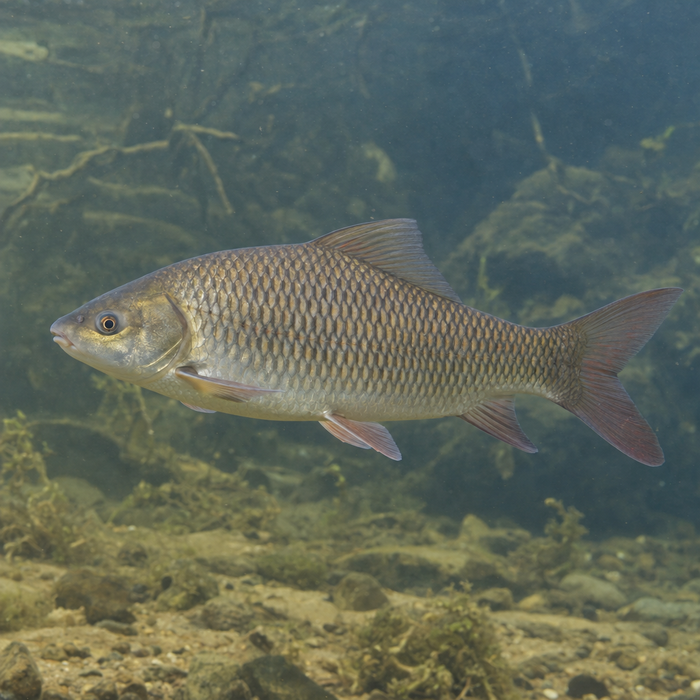
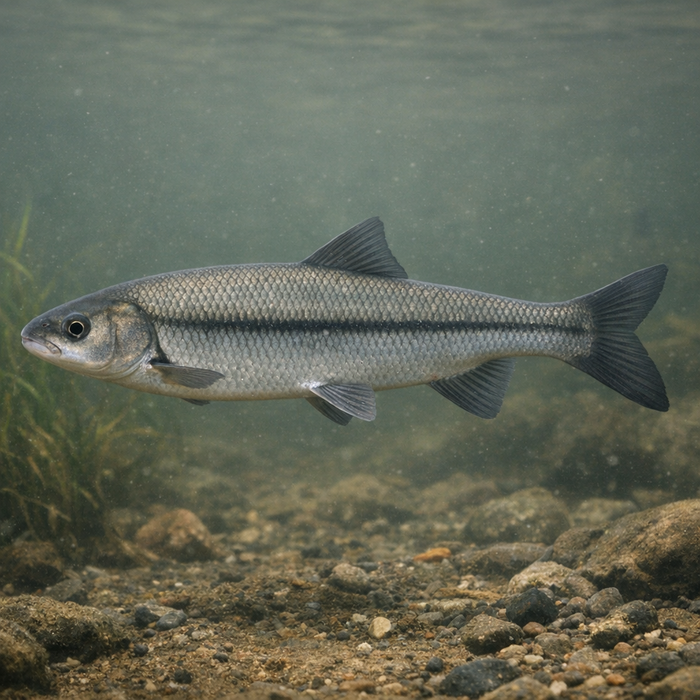
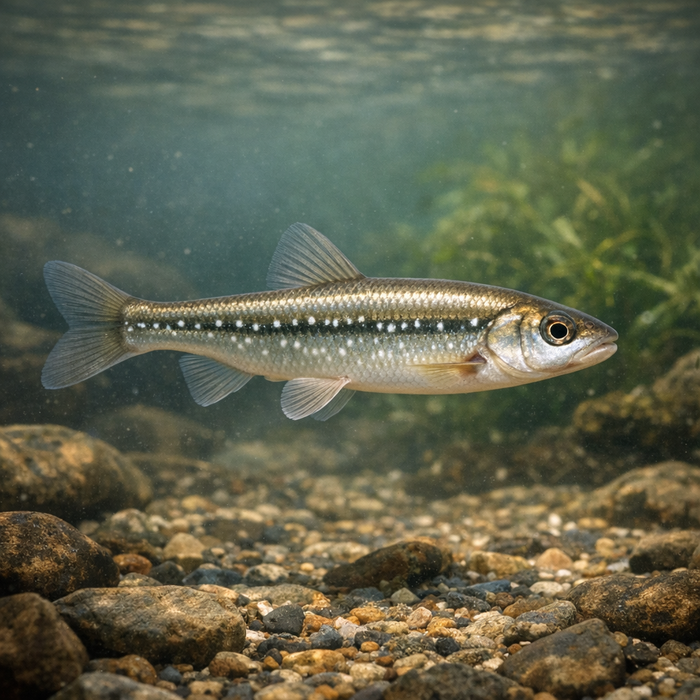
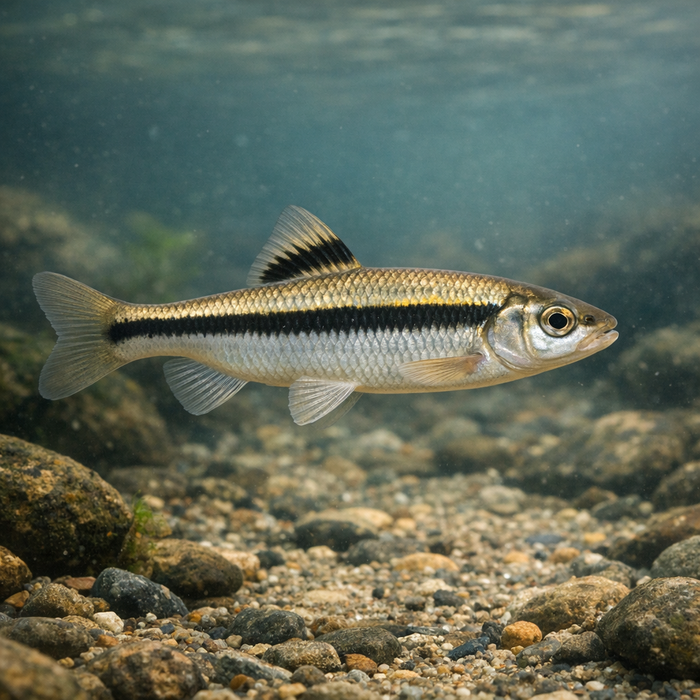
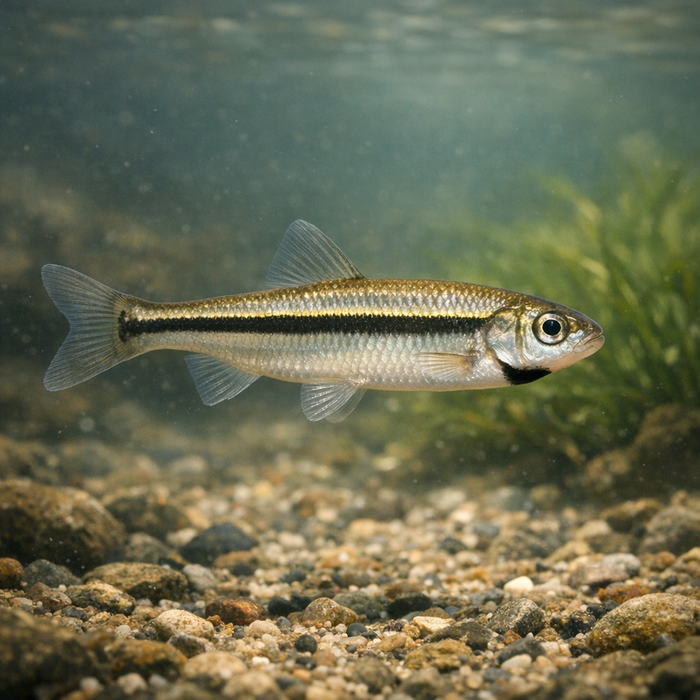
Mrigal Carp (Cirrhinus cirrhosus): The Bottom Feeder With a Million-Egg Surprise
Mrigal Carp does not need teeth on display or a violent surface strike to deserve your attention. This streamlined freshwater carp brings a subtler challenge: find its feeding area, put something edible on the bottom, and resist the urge to complicate everything. Thai fisheries document catches on bread-based presentations, while its broader story involves food production, river conservation, and a surprisingly tangled scientific identity. Ordinary-looking fish, decidedly unordinary backstory.
The attraction is precision rather than spectacle. You are trying to make a modest offering look right in the right place. For anglers who enjoy feeder tips, careful bait placement, and learning what happens below the surface, that is plenty to work with.
What Makes the Mrigal Carp Unique?
Start with reproduction. A six-kilogram female has been reported capable of producing roughly one million eggs. Yet this fish can thrive in ponds without breeding naturally there: river conditions matter, and hatchery production uses induced breeding. That combination helps explain how a river-dependent breeder became associated with managed freshwater production. Living somewhere and successfully reproducing there are very different achievements.
Its scientific identity adds another wrinkle. Some influential literature combined Cirrhinus cirrhosus with Cirrhinus mrigala, while other treatments distinguish them. Under the conservation assessment's interpretation, four barbels and more branched dorsal-fin rays help separate C. cirrhosus from its frequently confused relative. Any collection of Mrigal Carp facts should acknowledge that complication rather than casually borrowing every detail published under either name.
Habitat & Global Range
Mrigal Carp habitat connects flowing freshwater with the lakes and ponds where fish are maintained or stocked. The conservation assessment identifies the Cauvery River system in southern India as the remaining native stronghold under its narrower species interpretation. Older, broader accounts describe a much wider distribution complicated by extensive human transport. Those are different biological boundaries, not simply competing travel recommendations.
For recreational fishing, stocked Thai venues offer a more straightforward starting point than trying to reconstruct historical distribution. Palm Tree Lagoon in Ratchaburi documents this fish and its bread-feeder methods; Gillhams in Krabi has also documented mrigal catches. Confirm present availability before travelling, because a historical catch report is not a current stocking guarantee.
Keep native rivers and commercial lakes mentally separate. A fish maintained successfully in a managed venue does not establish that nearby rivers support a self-reproducing population. Nor does a convenient holiday fishery tell you much about the health of the original wild stock.
Behavior & Temperament
For anglers, Mrigal Carp is primarily a bait-presentation problem, not a lure-selection problem. Documented fishery approaches include feeder fishing with bread and float presentations with plant-based offerings. Another Thai operator reports catches on corn and bread paste, describing a stronger fight than the fish's understated appearance might suggest. That is useful venue experience, not a promise that every hooked fish performs identically.
Begin with the bottom-fishing approach in this guide, but remain willing to adjust. Ask where fish are actually being caught, whether loose feed is permitted, and how your bait behaves after several minutes underwater. An elegant rig sitting in the wrong place is still the wrong rig.
Ecological Importance
Accounts published under C. cirrhosus describe a shift from an omnivorous juvenile diet toward predominantly herbivorous adult feeding, including algae grazing. That is more interesting than the lazy label “mud eater”: its relationship with food changes as it grows. The species also has recognized commercial, aquaculture, and recreational uses, putting it at the intersection of aquatic food webs and human livelihoods.
However, avoid confusing usefulness with ecological permission. A fish valuable in a pond is not automatically appropriate for release elsewhere. Its long history of transport is precisely why distribution and identity require care. Stocking decisions belong with responsible fisheries management, not an angler carrying a bucket.
Conservation & Environmental Pressures
Mrigal Carp is assessed as Vulnerable, with the assessment identifying a restricted native distribution and threats associated with introduced Gangetic carps. This makes the distinction between farmed abundance and wild security especially important. Plenty of fish in commercial production cannot substitute for protecting the native population and the river system supporting it.
The assessment dates to 2011 and is marked as needing updating. Treat its category seriously without pretending it represents a fresh population census. Equally, do not interpret that category as a universal fishing prohibition: conservation assessments and enforceable local rules answer different questions.
The FishyAF Take
Mrigal Carp deserves better than being the anonymous silver fish caught while somebody waits for something supposedly more impressive. Give it a proper session. Choose a sensible feeder setup, make your bait presentable, and pay attention.
Our take is simple: difficulty does not have to arrive with fangs. Sometimes the worthwhile challenge is getting bread and patience into the same square yard of water. Respect the native fish, question oversized claims, and enjoy a species that makes thoughtful fishing feel like the point—not the consolation prize.