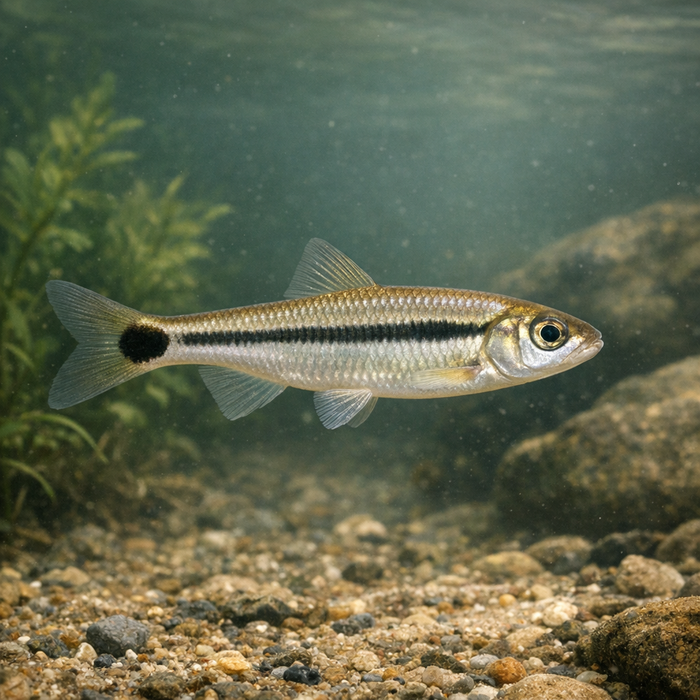
Rohu (Labeo rohita): Soft Lips, Serious Carp Credentials
Rohu makes a convincing argument that a fish does not need teeth, aggression, or a predator’s reputation to deserve your attention. This freshwater carp combines a streamlined body with an unusually delicate-looking mouth, then puts both to work in warm rivers and stocked waters. For anglers, the attraction is straightforward: accessible bait fishing, thoughtful presentation, and a fish that can make modest tackle feel very modest indeed. Hooked individuals can jump, adding an unexpected aerial complication to the landing process.
The everyday target in this guide runs around 20–26 inches and 4–9 pounds. That is a useful fishing benchmark, not a biological ceiling or a promise about every venue. Think approachable carp fishing with enough room for surprises. Bread and dough belong in the tackle bag; confidence belongs there too, but preferably without arrogance.
What Makes the Rohu Unique?
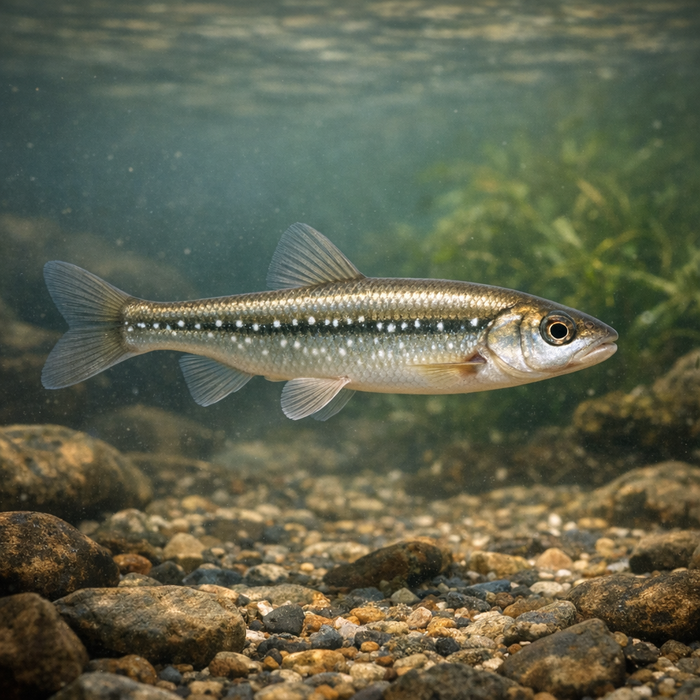
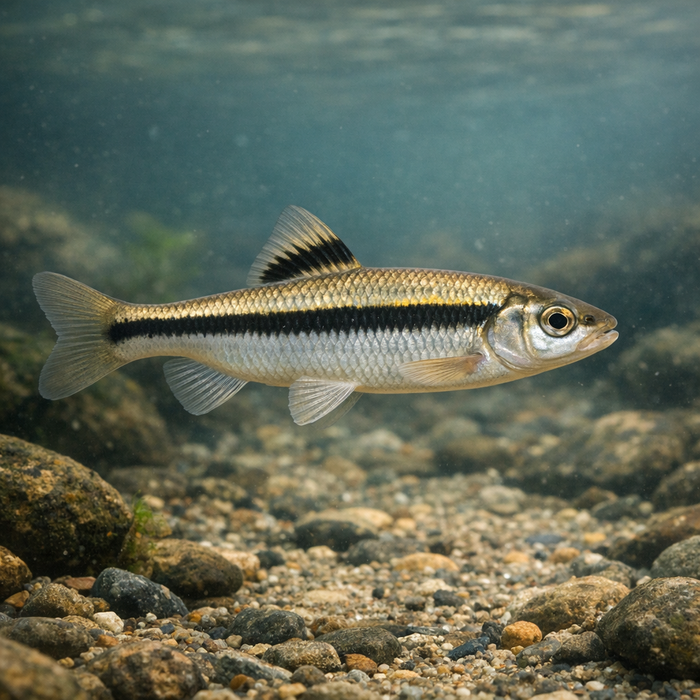
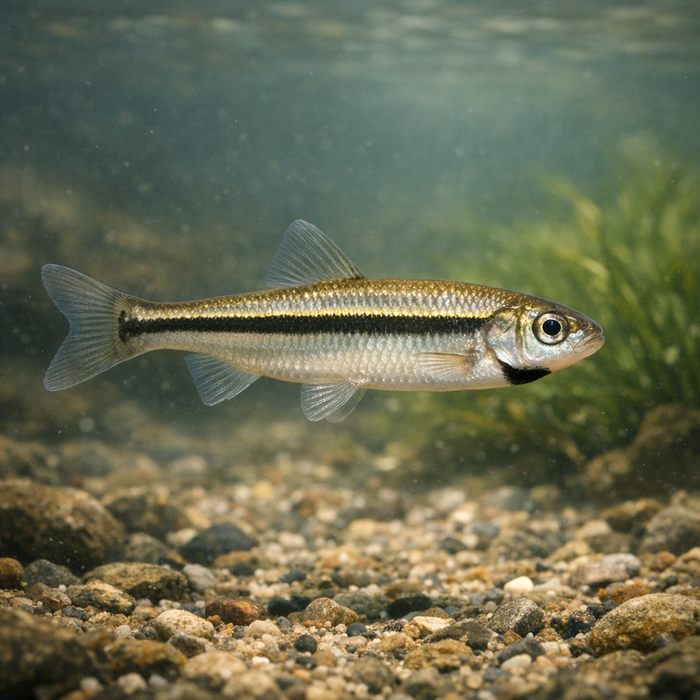
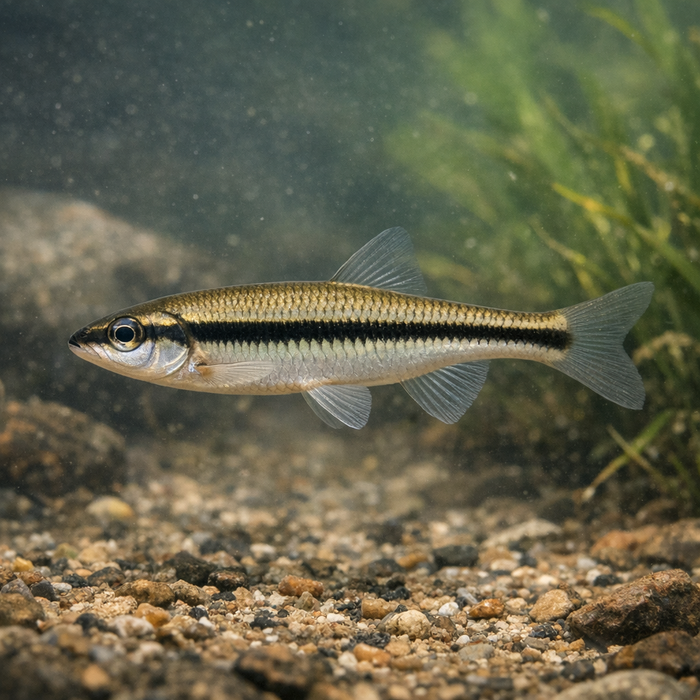
Start with the mouth. Thick, fringed lips surround a small, downward-facing opening, and a pair of tiny barbels can remain concealed in grooves beside it. The jaws lack teeth, while teeth farther back in the throat provide a separate processing apparatus. Thin, hairlike gill rakers also help explain its ability to exploit minute plankton. This is feeding equipment built around gathering and nibbling rather than grabbing prey.
Its feeding position is equally important. Adults are predominantly plant-oriented feeders, but they do not belong exclusively on the bottom. They browse through the water column and around margins, taking material from more than one feeding zone. That flexibility helps explain why a carefully adjusted float can be as relevant as a bottom rig. Calling every carp a bottom vacuum misses the point here.
Then there is reproduction: maturity in a pond does not automatically produce another generation. Ordinary stillwater culture generally requires induced breeding, whereas natural reproduction is associated with river flooding. A fish comfortable in a lake can still depend on a river’s seasonal machinery to reproduce naturally.
Habitat & Global Range
Rohu habitat begins with the warm freshwater systems of South Asia, including rivers in India, Pakistan, Bangladesh, Nepal, and Myanmar. Rivers, backwaters, lakes, and ponds all matter, but distribution alone does not tell you whether a population is native, introduced, stocked, or maintained through aquaculture. Human movement of this valuable food fish has extended its presence well beyond its original river systems.
Thailand offers established stocked-fishery opportunities, including Gillhams Fishing Resort in Krabi and Palm Tree Lagoon in Ratchaburi. Both document the species in their waters. Those venues are not interchangeable with a wild river: feeding routines, stocking history, mixed-species catches, and tackle requirements change the practical fishing picture. Confirm current access before building a trip around a name on a species list.
Behavior & Temperament
Rohu is not a predator waiting to ambush a lure. Its feeding biology rewards an angler who thinks about food availability and presentation rather than chase response. Young fish rely heavily on animal plankton before shifting toward a more plant-oriented diet. Juveniles also show feeding-related schooling in ponds, a pattern not consistently observed in adults. Do not turn a nursery behavior into a guarantee that every large fish travels in a crowd.
On the rod, use the forgiving side of your equipment. The guide’s float-and-feeder approach suits precise bait placement, while an adjustable drag and measured pressure suit careful handling. Keep a generous landing net ready before the bite. A soft mouth is not an invitation to strike harder, and a fish near the net is not necessarily finished.
Ecological Importance
Rohu has a major role in mixed carp farming because its feeding niche complements those of other cultured species. Combining fish that exploit different food resources can make better use of a pond’s productivity than simply crowding one species into the same space. Its importance also extends directly to food supply and livelihoods across the region.
Selective breeding has produced the improved Jayanti strain, illustrating how seriously aquaculture researchers take this apparently ordinary carp. For anglers, the larger lesson is useful: stocked fish are not necessarily a random sample of wild growth potential. Husbandry and breeding history can shape what swims in front of you.
Conservation & Environmental Pressures
The species is classified as Least Concern, but that describes extinction risk, not permission to neglect its waterways. Because natural reproduction is flood-associated, protecting river connectivity and seasonal inundation is a sensible priority. Pollution, water extraction, and river engineering are broader freshwater pressures that deserve attention even when a familiar food fish remains widely available. A stocked pond and a functioning river are not ecological substitutes.
The FishyAF Take
Rohu deserves better than being dismissed as another carp with a bread habit. It asks for observation rather than spectacle: find the feeding zone, present something believable, and stop trying to solve delicate bites with brute force. Our preferred approach is simple bait, sensible tackle, and enough patience to adjust when the first idea fails.
The appeal is not that this fish makes everything easy. It is that the essentials remain visible. Your float, your bait, your judgment. No expensive lure collection to hide behind. Fish neatly, land responsibly, and let the result do the talking.