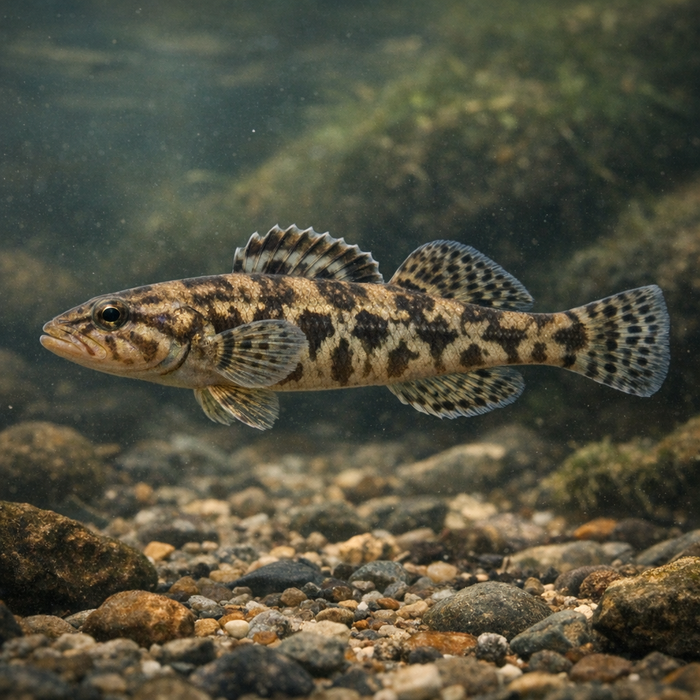
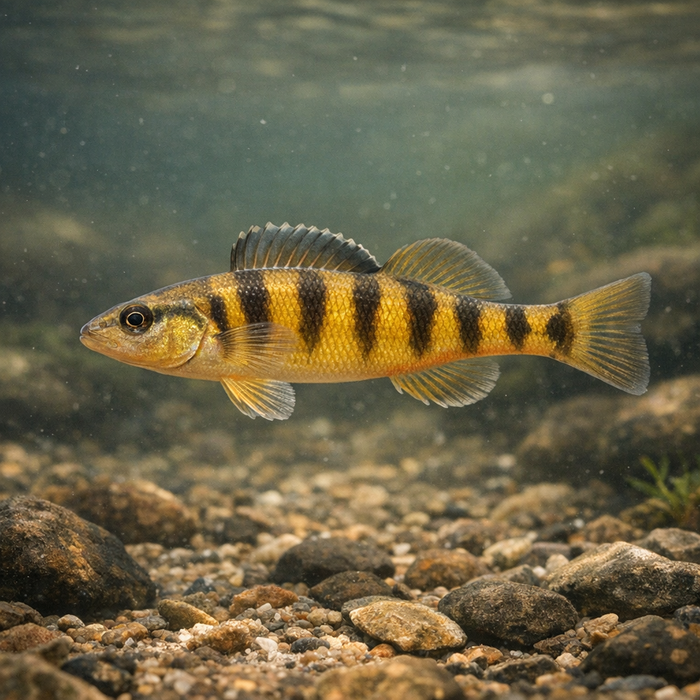
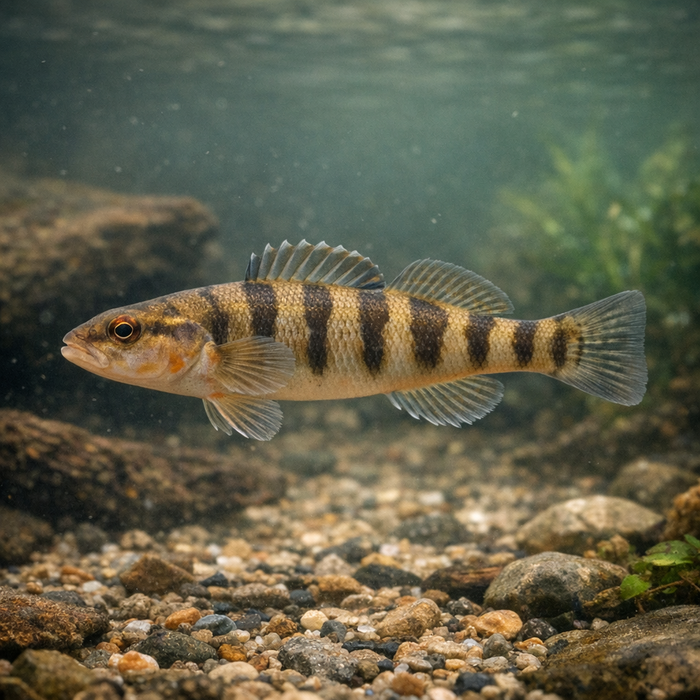
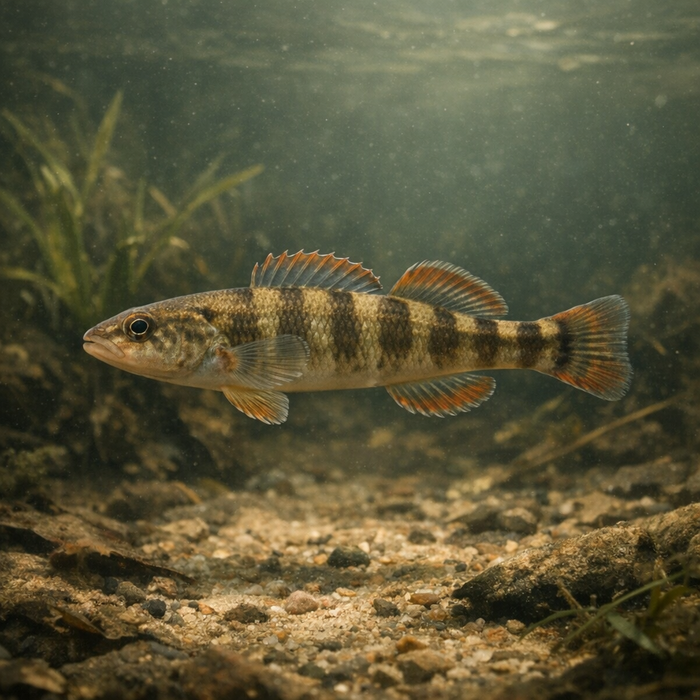
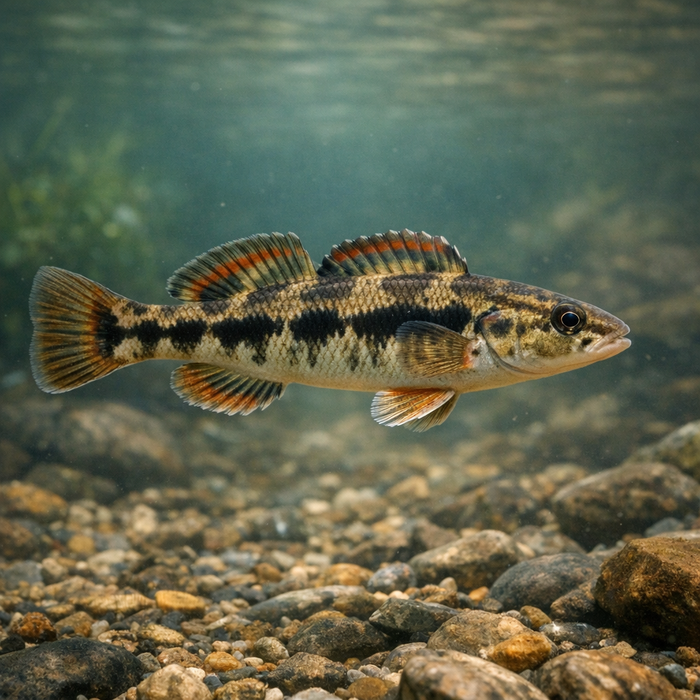
Conasauga logperch (Percina jenkinsi): A Bold, Memorable Hook LineIntroductionIf rare fish had VIP lists, the Conasauga logperch would be the one behind the velvet rope checking names. It's tiny, tiger-barred, rock-flipping, and so restricted in range that most anglers will never see one. That's not a dare to chase it. It's a reminder that some freshwater legends exist precisely because they slip under the radar and stay protected.What Makes the Conasauga logperch Unique?Start with the snout. Like other logperches, this fish uses a hard, pointed rostrum to flip small stones and pick off invertebrates hiding underneath. It's an elite move in fast current, one that demands clean gravel and razor clarity. Then there's the exclusivity: the Conasauga logperch is endemic to a short reach of the Conasauga River on the Tennessee-Georgia line. That microscopic zip code plus a federally endangered listing makes it one of North America's most protected and least-seen perches. When you're sorting Conasauga logperch facts from myths, those two traits rise to the top: precision foraging and a postage-stamp range.Habitat & Global RangeHere's the whole map: the Conasauga River, period. Think clear, cool, free-flowing water. Picture riffles and runs with pebble-to-cobble substrate where silt hasn't smothered the gaps. That's classic Conasauga logperch habitat. This fish isn't a lake drifter or backwater lurker. It works the fast lanes tight to the bottom, keying on clean stone, steady current, and oxygen-rich water. The catch, for conservation and clarity alike, is that any shift in water quality, sediment, or flow can scramble the deck. There's no "other river" waiting nearby.Behavior & TemperamentThe Conasauga logperch is a bottom sprinter with a specialist's playbook. It noses into current, makes quick flips of small rocks, and darts to pin exposed nymphs or larvae. It's not a schooling fish by sportfish standards; call it loosely associated at best. Visibility matters: sudden shade, heavy silt, or churned-up bottoms shut down the show. Spawning happens in spring when flows and temps line up, with fish using clean gravel to tuck eggs deep instead of leaving them exposed. They don't brawl; they vanish. For would-be microfishing fans, that means incredible stealth would be required were this species even legal to pursue. It isn't.Ecological ImportanceTake away the Conasauga logperch and you don't just lose a pretty set of bars. You remove a specialized insect predator tuned to fast-current life. That precision feeding helps regulate the benthic buffet and, indirectly, signals stream health. Because the species depends on clean, well-sorted gravel, it's a walking-well, darting-water-quality report. Healthy logperch usually mean healthy riffles. Lose the riffles to silt and you lose the fish.Conservation & Environmental PressuresWhen your entire world is a single river reach, everything matters: sediment from roads, bank trampling, poorly timed water withdrawals, degraded riparian buffers, storm pulses, and accidental spills. Silt is the boogeyman, clogging gravel and stripping out the microhabitats this fish needs to feed and reproduce. Add invasive plants, altered flows, or channelization and the margin for error shrinks even more. That's why the Conasauga logperch is federally endangered and handled only by permitted biologists. The smartest "tactic" for anglers is restraint: learn the fish, advocate for cold, clear water, and keep those riffles pristine.The FishyAF TakeSome fish demand we leave our rods in the truck. The Conasauga logperch is one of them. Admire the stripes, the stone-flipping superpower, the ridiculous exclusivity, and call it good. If you want the scene, bring a camera or a mask and watch from the bank without stomping gravel. Use that curiosity to fuel real protection for the Conasauga logperch habitat the species depends on. You'll never brag about landing one, but you might brag about keeping its river clean enough that it doesn't need a miracle to survive. That's a win worth more than any grip-and-grin.