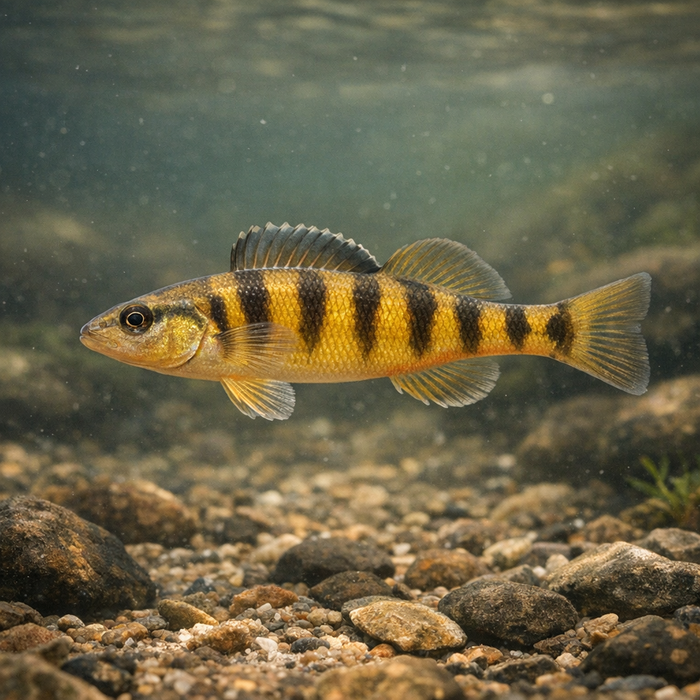
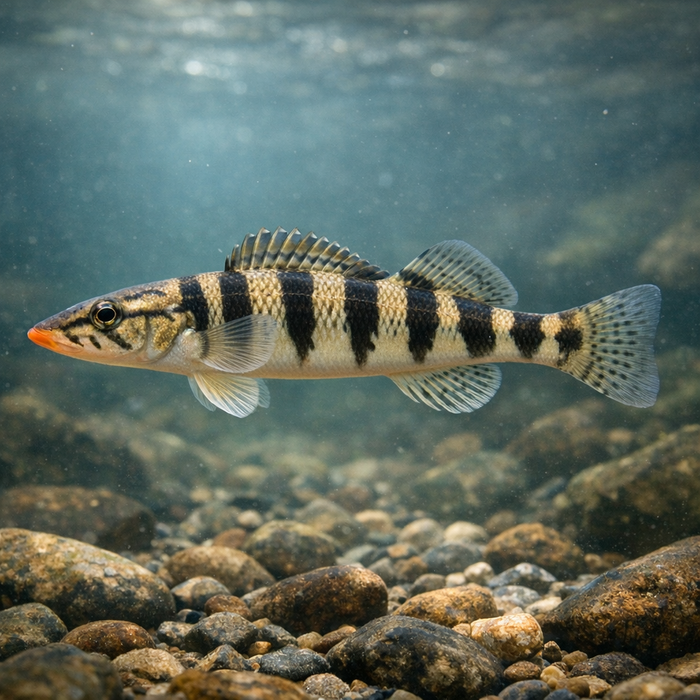
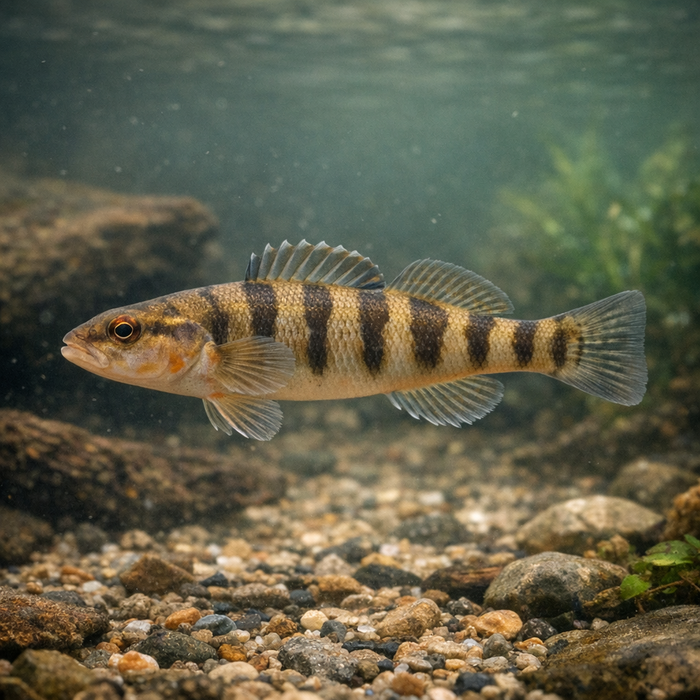
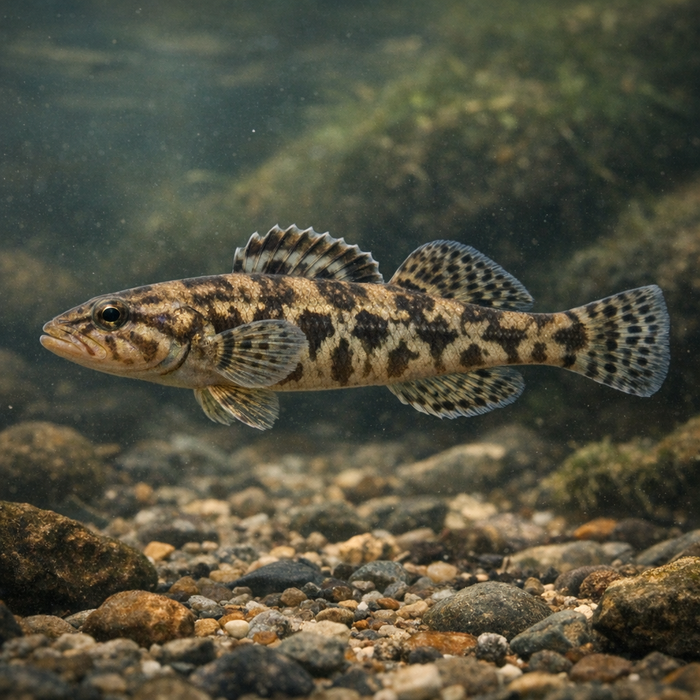
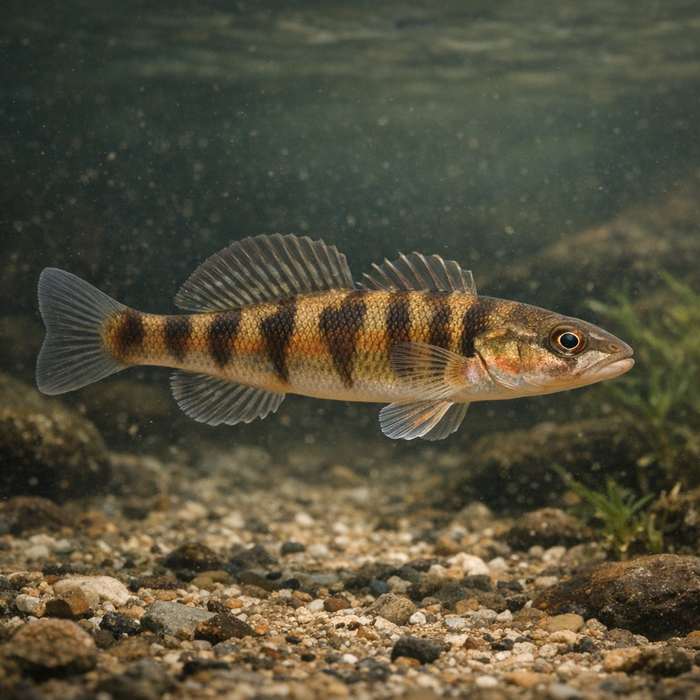
Rush Darter (Etheostoma phytophilum): A Bold, Memorable Hook LineIntroductionThe Rush darter is the little ghost of Alabama spring runs: plant-loving, camera-shy, and critically scarce. Blink and you'll miss it. It's a pocket-sized percid built for creeping along the bottom of clear seeps where rushes sway and silt is the enemy. For anglers who obsess over rare natives and microfish, this one is a bucket-list sighting, not a target. Consider this your quick-hit guide to real Rush darter facts and why this fish matters far beyond its tiny size.What Makes the Rush darter Unique?Start with the name. Etheostoma phytophilum literally signals its plant-crush, which you'll see in breeding season when eggs end up on stems and leaves. The Rush darter is also striking for what it is not: it's not flashy like some rainbow-painted darters, and it's not widespread. Adults rarely stretch past two and a half inches, wearing camouflage browns and olives with just a hint of amber during courtship. That restraint is an adaptation: blend in, hold tight to the bottom, and avoid the hungry mouths upstream and down. Add in a tiny, fragmented range and you have a fish that feels custom-built for vanishing acts.Habitat & Global RangeLet's keep it straight: the Rush darter is an Alabama special, restricted to a handful of spring-fed seeps and very small streams in the upper Black Warrior River system. Think clean, cool flow trickling through rush-lined margins, patches of aquatic plants, and sandy or fine-gravel substrate. This is not big-river water. It's the tight, clear, oxygen-rich habitat that rewards subtle movement and punishes any surge of muddy runoff. If you're after real Rush darter habitat, picture water where a single footprint can cloud the lane for minutes.Behavior & TemperamentThe Rush darter is a bottom-stepper. It uses pectorals like landing gear, scooting in micro-bursts rather than sprinting across the channel. Feeding is all about tiny invertebrates plucked off the bottom or vegetation. Spawning leans into its plant affinity: eggs are placed on stems, leaves, or debris with low velocity nearby so larvae can settle quickly. The fish isn't a sprinter; it's a homebody with modest daily wanderings, staying close to structure and cover. That lifestyle makes sense where the biggest threats aren't predators but mud, floods, and drought.Ecological ImportanceFor a fish this small, the Rush darter pulls big weight in bioindicator duty. Healthy populations silently announce that springs and seeps are clear, cold, and connected. Their presence telegraphs intact groundwater, buffered banks, and well-behaved land use upstream. Lose the darter and you often lose the signal that something is going wrong in your headwaters. Bottom line: when a Rush darter persists, a whole miniature world of invertebrates, plants, and microbes is humming along.Conservation & Environmental PressuresHere's the tough part. The Rush darter is federally endangered because its world is small and shrinking. Sedimentation from poorly controlled construction, bank trampling, altered groundwater, and storm-driven pulses can bury eggs and scour nursery cover. Fragmentation isolates tiny populations, cutting genetic exchange and making each site vulnerable to a single bad season. Conservation isn't rocket science but it is relentless: protect spring sources, fence sensitive margins, rein in sediment, and keep flows clean and cold. It's not glamorous, but it's the only way this fish stays on the map.The FishyAF TakeThe Rush darter is proof a fish doesn't need neon colors or a rod-bending fight to be worth your respect. If you care about native fish, this one should be sacred ground. Leave the hooks in your pocket, bring a camera and polarized glasses, and scout that crystal slip of water without disturbing it. Want more Rush darter facts? Start with land use and spring protection. Want real Rush darter habitat? Guard every inch of clean sand and every stem waving in that current. This species is a tiny checklist item that forces a very big question: do we value the headwaters enough to keep them alive?